others
Acanthus: History, Symbolism, Uses, and Botanical Importance

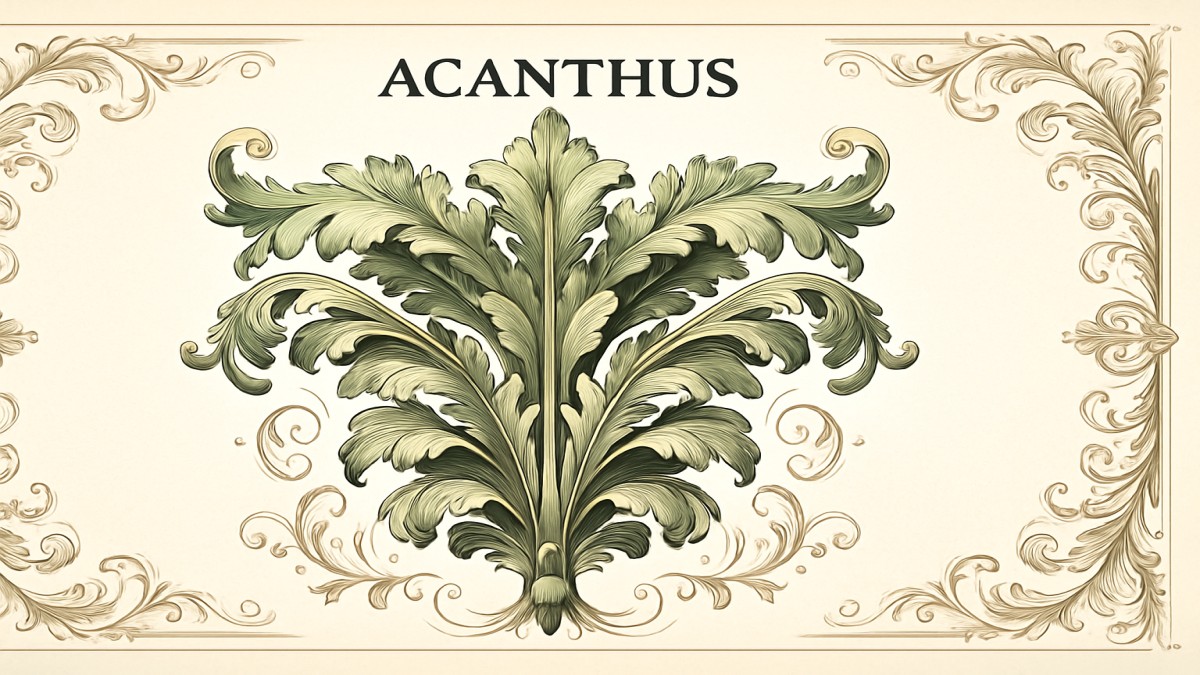
Acanthus is more than just a plant—it is a symbol that has shaped architecture, history, and culture for thousands of years. Its bold, deeply cut leaves have decorated ancient temples, inspired classical art, and even served medicinal purposes. In this article, we’ll explore the rich world of the acanthus plant, breaking down its biology, its deep historical roots, and its modern uses.
Botanical Overview
Species and Variations
The acanthus genus includes around 30 species, but the two best-known are:
- Acanthus mollis – Also called bear’s breeches, with large glossy leaves
- Acanthus spinosus – Known for its spiky, sharply toothed foliage
Both species grow naturally in the Mediterranean and thrive in warm, mild climates.
Physical Characteristics
Acanthus plants are easily recognized by their:
- Broad, lobed leaves with dramatic edges
- Tall flower spikes that can reach up to 2 meters
- White, purple, or pink flowers enclosed in spiny bracts
These striking features made the plant iconic in architectural ornamentation.
Growth Requirements
Acanthus prefers:
- Partial shade to full sun
- Well-drained soil
- Moderate watering
- Warm temperatures
They are hardy and can survive drought, making them ideal for Mediterranean-style landscapes.
Historical Significance
Acanthus in Greek Architecture
The acanthus leaf is best known for its appearance on Corinthian columns, one of the three classical Greek orders. The swirling, elaborate leaf carvings symbolized strength and elegance.
Influence in Roman and Byzantine Designs
Romans adopted the acanthus motif widely, using it in temples, palaces, and monuments. Byzantine artisans later incorporated stylized acanthus leaves into mosaics, church decorations, and illuminated manuscripts.
Symbolism Across Cultures
Acanthus often represents:
- Immortality
- Rebirth
- Endurance under hardship
Its ability to grow even in rocky soils may have inspired these meanings.
Acanthus in Art and Design
Decorative Use in Columns
Corinthian Capitals
Corinthian columns feature the most elaborate use of acanthus leaves. According to legend, the design was inspired by a basket left at a child’s grave, overgrown with acanthus leaves.
Carved Reliefs and Motifs
Artists carved acanthus patterns into:
- Friezes
- Temple walls
- Ceramics
- Furniture
- Tombstones
Presence in Medieval Manuscripts
Medieval scribes often decorated manuscript borders with acanthus scrollwork, adding elegance and depth to religious texts.
Medicinal Uses and Herbal Importance
Traditional Medicine Applications
Historically, acanthus leaves were used for:
- Wound healing
- Treating inflammation
- Soothing burns
- Managing digestive issues
Ancient Greeks and Romans recognized its soothing and restorative properties.
Modern Herbal Uses
Today, extracts from acanthus plants are used in herbal creams and natural remedies due to their antibacterial and anti-inflammatory effects.
Cultivation and Gardening
Soil and Climate Needs
Acanthus grows best in:
- Loamy or sandy soil
- Mild climates
- Partial sunlight
It is fairly low-maintenance and can adapt to various soil types.
Propagation Methods
You can propagate acanthus through:
- Root division
- Seeds
- Root cuttings
Division is the fastest and most reliable method.
Common Pests and Diseases
Acanthus is generally hardy but can face problems such as:
- Slugs and snails
- Powdery mildew
- Leaf spot
Proper spacing and good airflow can prevent most issues.
Acanthus in Modern Landscaping
Ornamental Uses
Acanthus is widely used to create dramatic visual impact in gardens. Its bold leaves and tall flower spikes make it a perfect centerpiece.
Popular Garden Designs
Acanthus pairs beautifully with:
- Stone pathways
- Mediterranean plants
- Herb gardens
- Sculptural landscaping
Its architectural foliage brings structure and elegance to outdoor spaces.
Ecological Importance
Role in Plant Communities
Acanthus plants help stabilize soil and create microhabitats for small insects and organisms.
Interaction with Pollinators
Pollinators like bees enjoy acanthus flowers, although the spiny bracts can act as protection from other herbivores.
Conclusion
Acanthus is a plant with an extraordinary legacy. From ancient architecture to herbal medicine and modern garden design, it holds a unique place in human history. Its striking appearance, resilience, and symbolic power make it a timeless botanical icon. Whether you admire its artistic impact or appreciate its ecological role, acanthus continues to inspire and captivate.
FAQs
1. What is acanthus used for today?
Acanthus is widely used in landscaping and ornamental gardening, and its motifs still appear in classical-style architecture and design.
2. Can acanthus grow in cold climates?
Some species can tolerate moderate cold, but extreme winters may damage the plant.
3. Is acanthus poisonous?
It is generally considered non-toxic, but handling spiny species may cause skin irritation.
4. Why is acanthus associated with Corinthian columns?
Its leaves inspired the elaborate carvings found on Corinthian capitals, symbolizing beauty and strength.
5. How tall can acanthus grow?
Depending on the species, it can reach between 1 to 2 meters in height.

Dobutamine: Uses, Mechanism, Dosage, and Side Effects

Nopdle Magazine: Redefining Creative Culture Through Curated Innovation

Shop Easter Basket: The Ultimate Guide to Perfect Easter Gifts

Best Apps to Make Money Online USA (2026 Guide)

How to Start Affiliate Marketing with No Money

Freelance Jobs for Beginners USA (Start with No Experience)

Side Hustle Ideas from Home USA (No Experience Needed) – Beginner’s Guide

Online Jobs from Home USA (Daily Pay) – Start Earning Instantly

Beton Celular Autoclavizat: The Future of Lightweight, Eco-Friendly Construction

Goblets: A Timeless Symbol of Elegance and Celebration
Dobutamine: Uses, Mechanism, Dosage, and Side Effects

Ishraq Time in Delhi: What It Is, When It Happens, and Why It Matters
Beton Celular Autoclavizat: The Future of Lightweight, Eco-Friendly Construction

Read OPM Manga Online: Where and How to Enjoy One Punch Man Legally

Technisches Gymnasium: Your Gateway to Engineering and Technology

Why Every Small Business Needs a Digital Marketing Agency
Goblets: A Timeless Symbol of Elegance and Celebration
Nopdle Magazine: Redefining Creative Culture Through Curated Innovation

Gold Shower: Nature’s Cascading Yellow Wonder

The Indian Bow: A Legacy of Precision, Power, and Tradition
Dobutamine: Uses, Mechanism, Dosage, and Side Effects
Nopdle Magazine: Redefining Creative Culture Through Curated Innovation
Shop Easter Basket: The Ultimate Guide to Perfect Easter Gifts
Best Apps to Make Money Online USA (2026 Guide)
How to Start Affiliate Marketing with No Money
Freelance Jobs for Beginners USA (Start with No Experience)
Side Hustle Ideas from Home USA (No Experience Needed) – Beginner’s Guide
Online Jobs from Home USA (Daily Pay) – Start Earning Instantly
Beton Celular Autoclavizat: The Future of Lightweight, Eco-Friendly Construction
Goblets: A Timeless Symbol of Elegance and Celebration

 entertainment7 months ago
PYT Telegram: A Complete Guide to Understanding, Using, and Maximizing It

 entertainment7 months ago
OnionFlix: Everything You Need to Know About This Streaming Website
- others6 months ago
Nook vs Kindle: Which E-Reader Is Right for You?
- gaming7 months ago
Melisandre: The Enigmatic Priestess of Game of Thrones