Health
Apron Belly: Causes, Effects, and Solutions for a Hanging Stomach

Introduction
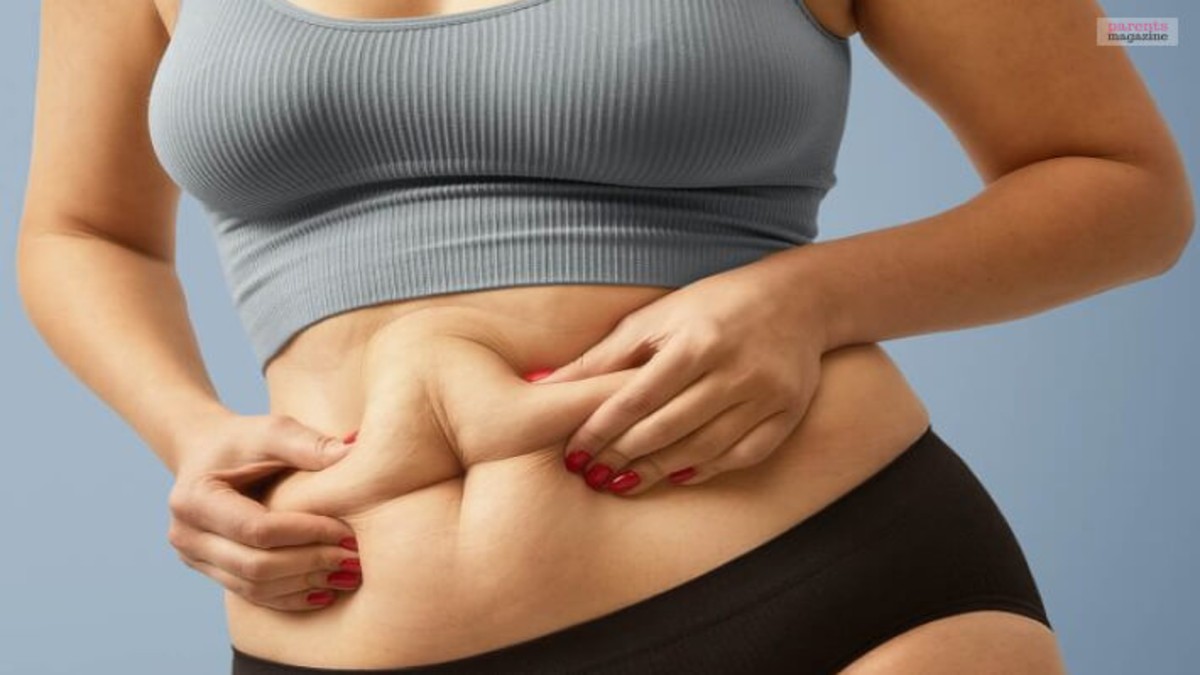
Have you ever heard the term “apron belly” and wondered what it means? It refers to the loose, hanging layer of fat and skin that drapes over the lower abdomen, much like an apron. While common after significant weight gain, pregnancy, or rapid weight loss, apron belly isn’t just a cosmetic concern it can also affect physical comfort, hygiene, and confidence. In this article, we’ll break down what apron belly is, why it happens, and the best ways to manage or reduce it.
What Is Apron Belly?
An apron belly, also called a pannus stomach or abdominal panniculus, is the hanging flap of tissue (fat and skin) that extends over the lower abdomen. Its size varies from person to person ranging from a small fold to a large overhang reaching the thighs.
Causes of Apron Belly
Several factors can lead to apron belly, including:
- Pregnancy – Stretching of abdominal muscles and skin.
- Rapid Weight Gain – Excess fat accumulation around the midsection.
- Significant Weight Loss – Leaving behind stretched, sagging skin.
- Aging – Reduced skin elasticity over time.
- Genetics – Family history of belly fat distribution and loose skin.
Health Concerns Linked to Apron Belly
While apron belly itself isn’t dangerous, it can create health issues such as:
- Skin Irritation – Rashes, redness, and itching beneath the fold.
- Fungal Infections – Warm, moist environment under the flap encourages growth.
- Lower Back Pain – Extra weight pulls on muscles and spine.
- Mobility Issues – Large overhang can make exercise and movement harder.
- Emotional Impact – Can lower self-esteem and affect body image.
How to Manage and Reduce Apron Belly
There’s no single solution, but a combination of healthy lifestyle changes, medical treatments, and surgical options can help.
1. Diet and Nutrition
- Focus on a calorie-controlled, balanced diet.
- Include lean proteins, fiber-rich foods, and healthy fats.
- Cut down on refined sugars and processed foods.
- Stay hydrated to maintain skin elasticity.
2. Exercise and Strength Training
- Incorporate cardio workouts (walking, cycling, swimming) to burn fat.
- Add strength training (planks, core exercises, resistance training) to tone muscles.
- Practice low-impact exercises if mobility is limited.
3. Skin Care and Hygiene
- Keep the area under the belly fold clean and dry.
- Use antifungal powders or creams to prevent infections.
- Apply moisturizers or firming creams to improve skin elasticity.
4. Non-Surgical Treatments
Some people explore medical options such as:
- Laser therapy for skin tightening.
- Ultrasound or radiofrequency treatments to reduce fat cells.
- Compression garments to support and shape the abdomen.
5. Surgical Options
For severe cases, surgery may be the most effective solution:
- Panniculectomy – Removes the hanging pannus (skin and fat).
- Abdominoplasty (Tummy Tuck) – Removes excess skin and tightens abdominal muscles.
- Liposuction – Targets fat deposits but doesn’t address loose skin.
Living with Apron Belly
If surgery isn’t an option, you can still manage apron belly by:
- Wearing supportive shapewear or high-waist leggings.
- Choosing comfortable clothing that reduces friction.
- Practicing positive self-acceptance while working toward health goals.
Prevention Tips
While not always preventable, you can lower the risk of developing apron belly by:
- Maintaining a healthy weight.
- Gradually losing weight instead of crash dieting.
- Exercising regularly to strengthen core muscles.
- Using skin care products to support elasticity during pregnancy or weight changes.
Conclusion
An apron belly can affect both physical health and emotional well-being, but it’s not something you have to live with forever. From healthy lifestyle adjustments and skin care to advanced surgical treatments, there are plenty of ways to reduce or manage it. The key is consistency, self-care, and professional guidance when needed. Remember, your body tells your life story—embrace it while working toward the version of yourself you feel most confident in.
FAQs
1. Can apron belly go away with exercise alone?
Exercise can reduce fat, but it often won’t eliminate excess skin completely.
2. Is panniculectomy the same as a tummy tuck?
No, a panniculectomy removes only the hanging skin and fat, while a tummy tuck also tightens abdominal muscles.
3. Can men get apron belly too?
Yes, apron belly affects both men and women, especially after weight changes.
4. What’s the best exercise for apron belly?
Core exercises like planks, crunches, and leg raises combined with cardio are effective.
5. How long does recovery take after apron belly surgery?
Depending on the procedure, recovery usually takes 4–8 weeks.

Shop Easter Basket: The Ultimate Guide to Perfect Easter Gifts

Best Apps to Make Money Online USA (2026 Guide)

How to Start Affiliate Marketing with No Money

Freelance Jobs for Beginners USA (Start with No Experience)

Side Hustle Ideas from Home USA (No Experience Needed) – Beginner’s Guide

Online Jobs from Home USA (Daily Pay) – Start Earning Instantly

Beton Celular Autoclavizat: The Future of Lightweight, Eco-Friendly Construction

Goblets: A Timeless Symbol of Elegance and Celebration

AI Tools for Making Money Online Free (Best 2026 Guide)

Passive Income Apps USA Free: Earn Money Effortlessly in 2026

Ishraq Time in Delhi: What It Is, When It Happens, and Why It Matters
Beton Celular Autoclavizat: The Future of Lightweight, Eco-Friendly Construction

Read OPM Manga Online: Where and How to Enjoy One Punch Man Legally

Technisches Gymnasium: Your Gateway to Engineering and Technology

Why Every Small Business Needs a Digital Marketing Agency
Goblets: A Timeless Symbol of Elegance and Celebration

Gold Shower: Nature’s Cascading Yellow Wonder

The Indian Bow: A Legacy of Precision, Power, and Tradition

Robert Provost: A Life of Leadership, Community, and Vision

Are Political Donations Tax Deductible?
Shop Easter Basket: The Ultimate Guide to Perfect Easter Gifts
Best Apps to Make Money Online USA (2026 Guide)
How to Start Affiliate Marketing with No Money
Freelance Jobs for Beginners USA (Start with No Experience)
Side Hustle Ideas from Home USA (No Experience Needed) – Beginner’s Guide
Online Jobs from Home USA (Daily Pay) – Start Earning Instantly
Beton Celular Autoclavizat: The Future of Lightweight, Eco-Friendly Construction
Goblets: A Timeless Symbol of Elegance and Celebration
AI Tools for Making Money Online Free (Best 2026 Guide)
Passive Income Apps USA Free: Earn Money Effortlessly in 2026

 entertainment7 months ago
PYT Telegram: A Complete Guide to Understanding, Using, and Maximizing It

 entertainment7 months ago
OnionFlix: Everything You Need to Know About This Streaming Website
- others6 months ago
Nook vs Kindle: Which E-Reader Is Right for You?
- gaming7 months ago
Melisandre: The Enigmatic Priestess of Game of Thrones