food
Capsicum annuum: A Complete Guide to the World’s Most Versatile Pepper Plant

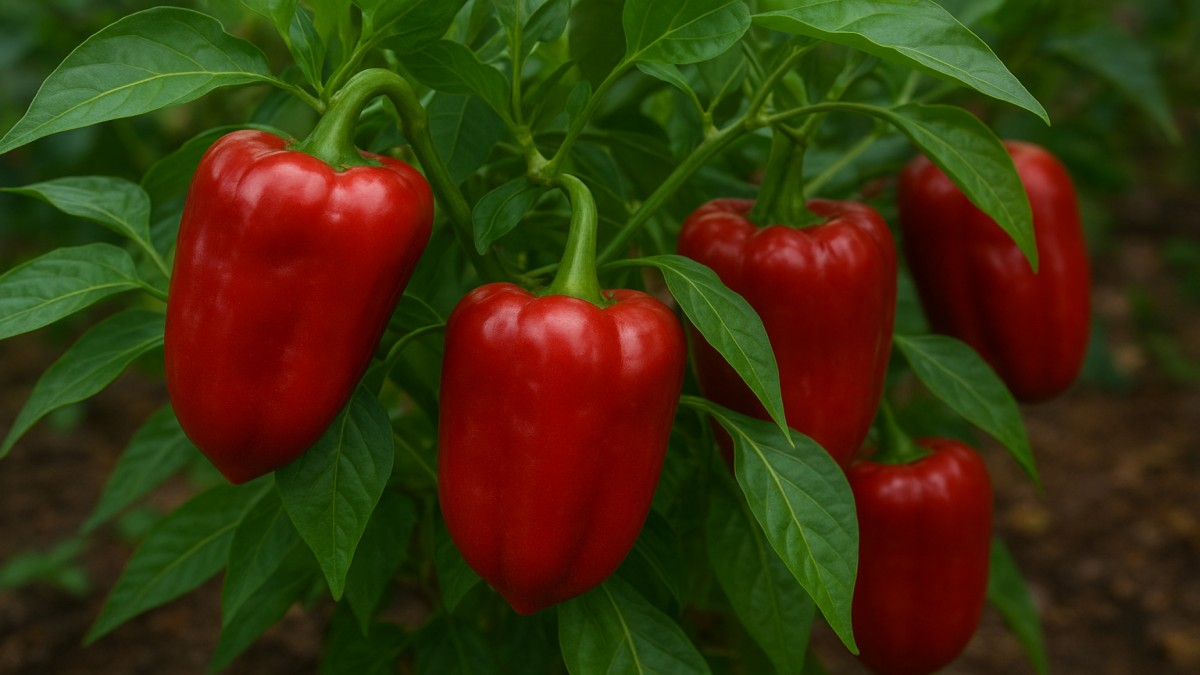
Capsicum annuum is one of the most widely consumed and cultivated pepper species in the world. Whether you love the sweetness of bell peppers or the fiery heat of cayenne, this plant family has something for every taste. In this article, we’ll dive into its origins, varieties, uses, and why it remains such an important crop globally.
What Is Capsicum annuum?
Capsicum annuum is a species of flowering plant from the nightshade family, Solanaceae. It includes both sweet and hot pepper varieties, ranging from mild bell peppers to spicy jalapeños. Despite their different flavors and appearances, these peppers all belong to the same species.
Historical Background
Native to Central and South America, Capsicum annuum has been cultivated for thousands of years. Indigenous cultures used it in food, medicine, and rituals. After the Columbian Exchange, peppers spread across Europe, Asia, and Africa, becoming key ingredients in many cuisines.
Botanical Description
Leaves, Stems, and Roots
Capsicum annuum plants typically have green, lance-shaped leaves with smooth surfaces. Their stems are sturdy but flexible, supporting multiple branches. The roots are fibrous and spread widely in the soil.
Flowering and Fruit Development
The plant produces small, white flowers that develop into green fruits. As they mature, the color changes—usually into red, yellow, orange, or purple depending on the variety.
Growing Conditions
Soil Requirements
The plant thrives in well-drained, fertile soil with a slightly acidic to neutral pH.
Climate and Sunlight
Warm temperatures and full sunlight are essential. The plant struggles in frost, making it perfect for tropical and subtropical climates.
Popular Varieties of Capsicum annuum
Sweet Pepper Varieties
Bell Peppers
Known for their mild flavor and crisp texture, bell peppers come in vibrant colors—green, red, yellow, and orange.
Banana Peppers
Mild and tangy, they are commonly used in pickles and salads.
Hot Pepper Varieties
Cayenne Peppers
Long and slender, cayenne peppers pack strong heat and are often used in powders.
Jalapeños
One of the most popular chili peppers worldwide, jalapeños are moderately spicy and widely used in sauces and snacks.
Paprika Peppers
These peppers are ground into the iconic red spice used in countless dishes.
Nutritional Profile
Vitamins and Minerals
Peppers are rich in:
- Vitamin C
- Vitamin A
- Potassium
- Fiber
Health Benefits
They support immune function, improve digestion, and provide antioxidants that help fight free radicals.
Culinary Uses
Global Cuisine Applications
Asian Cuisine
Used in stir-fries, curries, and pickles.
Mexican Cuisine
Essential for salsas, tacos, and sauces.
Mediterranean Cuisine
Featured in roasted dishes, salads, and spice blends.
Fresh, Dried, and Powdered Forms
Capsicum annuum can be eaten raw, grilled, roasted, or ground into spices such as paprika or chili powder.
Medicinal and Therapeutic Uses
Traditional Medicine
Many ancient cultures used peppers for digestive and circulatory benefits.
Capsaicin Benefits
Pain Relief
Capsaicin creams are widely used to relieve nerve and joint pain.
Metabolism Boosting
Capsaicin increases heat production, helping promote calorie burning.
Cultivation and Farming
Seed Selection
Choose disease-resistant varieties for healthier crops.
Watering and Fertilization
Regular watering is essential, but avoid waterlogging. A balanced fertilizer supports growth and fruiting.
Common Pests and Diseases
Prevention and Treatment
Use natural pest control and rotate crops to prevent issues like aphids, fungal infections, and wilting diseases.
Harvesting and Storage
When to Harvest
Harvest peppers when they reach their mature color and firmness.
Storage Methods
Peppers can be refrigerated, dried, frozen, or turned into sauces and powders.
Economic Importance
Global Production
Capsicum annuum is one of the most commercially grown vegetables worldwide.
Market Demand
Used in food, medicine, and cosmetics, making it a highly valuable crop.
Conclusion
Capsicum annuum is far more than just a pepper plant it’s a global food staple, an economic powerhouse, and a medicinal treasure. Its adaptability and wide variety make it essential in cuisines and cultures around the world. Whether sweet or fiery, fresh or dried, this plant continues to influence our diets and health in countless ways.
FAQs
1. Is Capsicum annuum the same as chili pepper?
Not exactly—Capsicum annuum includes many peppers, both sweet and spicy.
2. Which variety of Capsicum annuum is the mildest?
Bell peppers are the mildest variety.
3. Can Capsicum annuum grow indoors?
Yes, with proper light and temperature, it thrives indoors.
4. What makes some varieties spicy?
Capsaicin is the compound responsible for heat.
5. Are Capsicum annuum peppers healthy?
Absolutely—they are packed with vitamins, fiber, and antioxidants.

Freelance Jobs for Beginners USA (Start with No Experience)

Side Hustle Ideas from Home USA (No Experience Needed) – Beginner’s Guide

Online Jobs from Home USA (Daily Pay) – Start Earning Instantly

Beton Celular Autoclavizat: The Future of Lightweight, Eco-Friendly Construction

Goblets: A Timeless Symbol of Elegance and Celebration

AI Tools for Making Money Online Free (Best 2026 Guide)

Passive Income Apps USA Free: Earn Money Effortlessly in 2026

How to Earn Money from Home Without Investment

ChatGPT Alternatives Free No Login (2026 Guide)

Everything You Need to Know About Koeas

Ishraq Time in Delhi: What It Is, When It Happens, and Why It Matters
Beton Celular Autoclavizat: The Future of Lightweight, Eco-Friendly Construction

Read OPM Manga Online: Where and How to Enjoy One Punch Man Legally

Technisches Gymnasium: Your Gateway to Engineering and Technology

Why Every Small Business Needs a Digital Marketing Agency
Goblets: A Timeless Symbol of Elegance and Celebration

Gold Shower: Nature’s Cascading Yellow Wonder

The Indian Bow: A Legacy of Precision, Power, and Tradition

Robert Provost: A Life of Leadership, Community, and Vision

Are Political Donations Tax Deductible?
Freelance Jobs for Beginners USA (Start with No Experience)
Side Hustle Ideas from Home USA (No Experience Needed) – Beginner’s Guide
Online Jobs from Home USA (Daily Pay) – Start Earning Instantly
Beton Celular Autoclavizat: The Future of Lightweight, Eco-Friendly Construction
Goblets: A Timeless Symbol of Elegance and Celebration
AI Tools for Making Money Online Free (Best 2026 Guide)
Passive Income Apps USA Free: Earn Money Effortlessly in 2026
How to Earn Money from Home Without Investment
ChatGPT Alternatives Free No Login (2026 Guide)
Everything You Need to Know About Koeas

 entertainment7 months ago
PYT Telegram: A Complete Guide to Understanding, Using, and Maximizing It

 entertainment7 months ago
OnionFlix: Everything You Need to Know About This Streaming Website
- others6 months ago
Nook vs Kindle: Which E-Reader Is Right for You?
- gaming7 months ago
Melisandre: The Enigmatic Priestess of Game of Thrones