others
Cave Art – Humanity’s First Creative Expression

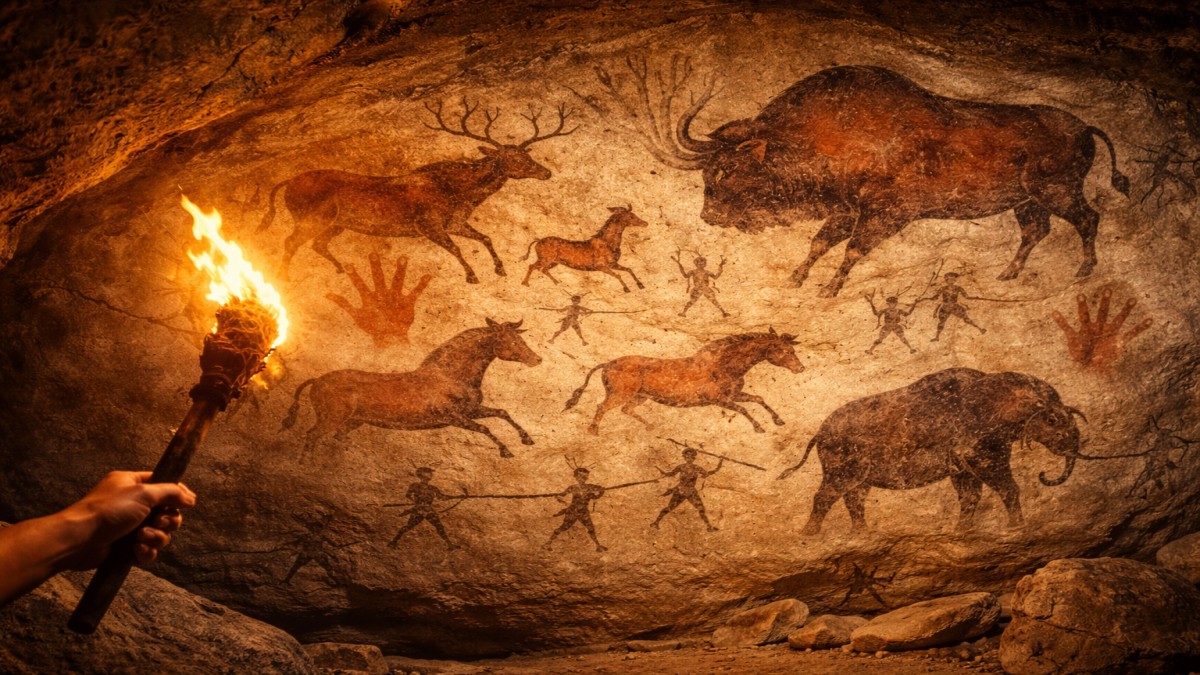
Introduction to Cave Art
Before books, before cities, and long before written language, humans told stories in stone. Cave art is one of the earliest and most powerful forms of human expression, offering a direct window into the minds of our ancestors. These ancient drawings and engravings are more than simple pictures—they are messages sent across thousands of years.
What Is Cave Art?
Cave art refers to prehistoric drawings, paintings, and carvings found on cave walls and rock surfaces. Created by early humans using natural materials, these artworks often depict animals, human figures, symbols, and mysterious patterns. They are found across continents, proving that creativity is a universal human trait.
Why Cave Art Still Fascinates Us
Why do these ancient images still capture our imagination? Because they feel deeply human. A handprint on a cave wall feels like a handshake across time, reminding us that creativity and communication are part of who we are.
The Origins of Cave Art
When Did Cave Art Begin?
Cave art dates back as far as 40,000 years ago, during the Upper Paleolithic period. Some discoveries suggest even earlier beginnings, challenging what we know about early human intelligence and imagination.
Early Humans and Creativity
Despite harsh living conditions, early humans made time to create art. That alone tells us something important: art wasn’t optional—it was essential. It helped them understand their world, their fears, and their hopes.
Famous Cave Art Sites Around the World
Lascaux Cave, France
Often called the “Sistine Chapel of Prehistory,” Lascaux features vivid animal paintings, especially horses and bulls. The movement and detail are astonishing, even by modern standards.
Altamira Cave, Spain
Altamira is famous for its colorful bison paintings painted on curved ceilings, giving the animals a three-dimensional effect. It shows early mastery of perspective and form.
Bhimbetka Rock Shelters, India
These shelters display cave art spanning thousands of years, showing scenes of hunting, dancing, and daily life. They offer a rare visual timeline of human cultural evolution.
Types of Cave Art
Paintings
Paintings are the most well-known form of cave art. They were created using fingers, sticks, brushes made from hair, or even by blowing pigment through hollow bones.
Engravings
Engravings involved carving lines into rock surfaces using sharp stones. These often include abstract symbols and animal outlines.
Hand Stencils
One of the most emotional forms of cave art, hand stencils were made by placing a hand on the wall and blowing pigment around it. It’s a powerful reminder: “I was here.”
Materials and Techniques Used
Natural Pigments
Early artists used materials like charcoal, red ochre, clay, and manganese. These pigments were mixed with water, animal fat, or plant juices to make paint.
Tools and Application Methods
No paintbrushes? No problem. Early humans used feathers, animal hair, fingers, and bones. Creativity thrives even with limited tools.
Common Themes in Cave Art
Animals and Hunting Scenes
Animals dominate cave art—bison, horses, deer, and mammoths appear again and again. These weren’t random choices. Animals were central to survival, belief systems, and imagination.
Human Figures and Symbols
Human figures are rarer but often symbolic. Abstract signs, dots, and lines remain mysterious, sparking debates among archaeologists even today.
Purpose and Meaning of Cave Art
Spiritual and Ritual Beliefs
Many researchers believe cave art had spiritual purposes—perhaps to ensure successful hunts or communicate with unseen forces. The deep, hidden locations of some paintings suggest ritual significance.
Communication and Storytelling
Cave art may have served as early storytelling, teaching younger generations about animals, dangers, and traditions. Think of it as the world’s first visual language.
Cave Art and Early Society
Social Structure and Beliefs
The complexity of cave art suggests organized societies with shared beliefs. Not everyone painted—some individuals were likely designated artists or shamans.
Daily Life Reflected in Art
Scenes of hunting, dancing, and group activities show that early humans valued community. Art helped reinforce social bonds.
Conclusion
Cave art is humanity’s first whisper, echoing through time. It shows that even in the harshest conditions, humans sought meaning, beauty, and connection. These ancient images remind us that creativity isn’t a luxury—it’s a defining human instinct. When we look at cave art, we’re not just studying the past; we’re recognizing ourselves.
FAQs
1. How old is the oldest cave art?
Some cave art dates back over 40,000 years.
2. Why are animals common in cave art?
Animals were vital for survival and held spiritual significance.
3. Did all early humans create cave art?
Not all, but many cultures across the world practiced it.
4. Can cave art still be visited today?
Some sites are open, but many are protected with replicas available.
5. What makes cave art important today?
It helps us understand early human thought, culture, and creativity.

Dobutamine: Uses, Mechanism, Dosage, and Side Effects

Nopdle Magazine: Redefining Creative Culture Through Curated Innovation

Shop Easter Basket: The Ultimate Guide to Perfect Easter Gifts

Best Apps to Make Money Online USA (2026 Guide)

How to Start Affiliate Marketing with No Money

Freelance Jobs for Beginners USA (Start with No Experience)

Side Hustle Ideas from Home USA (No Experience Needed) – Beginner’s Guide

Online Jobs from Home USA (Daily Pay) – Start Earning Instantly

Beton Celular Autoclavizat: The Future of Lightweight, Eco-Friendly Construction

Goblets: A Timeless Symbol of Elegance and Celebration
Dobutamine: Uses, Mechanism, Dosage, and Side Effects

Ishraq Time in Delhi: What It Is, When It Happens, and Why It Matters
Beton Celular Autoclavizat: The Future of Lightweight, Eco-Friendly Construction

Read OPM Manga Online: Where and How to Enjoy One Punch Man Legally

Technisches Gymnasium: Your Gateway to Engineering and Technology

Why Every Small Business Needs a Digital Marketing Agency
Goblets: A Timeless Symbol of Elegance and Celebration
Nopdle Magazine: Redefining Creative Culture Through Curated Innovation

Gold Shower: Nature’s Cascading Yellow Wonder

The Indian Bow: A Legacy of Precision, Power, and Tradition
Dobutamine: Uses, Mechanism, Dosage, and Side Effects
Nopdle Magazine: Redefining Creative Culture Through Curated Innovation
Shop Easter Basket: The Ultimate Guide to Perfect Easter Gifts
Best Apps to Make Money Online USA (2026 Guide)
How to Start Affiliate Marketing with No Money
Freelance Jobs for Beginners USA (Start with No Experience)
Side Hustle Ideas from Home USA (No Experience Needed) – Beginner’s Guide
Online Jobs from Home USA (Daily Pay) – Start Earning Instantly
Beton Celular Autoclavizat: The Future of Lightweight, Eco-Friendly Construction
Goblets: A Timeless Symbol of Elegance and Celebration

 entertainment7 months ago
PYT Telegram: A Complete Guide to Understanding, Using, and Maximizing It

 entertainment7 months ago
OnionFlix: Everything You Need to Know About This Streaming Website
- others6 months ago
Nook vs Kindle: Which E-Reader Is Right for You?
- gaming7 months ago
Melisandre: The Enigmatic Priestess of Game of Thrones