others
Cobra Plant (Darlingtonia californica): Complete Guide to the Mysterious Carnivorous Plant

Introduction to the Cobra Plant
The plant world is full of surprises, but few are as strange and fascinating as the cobra plant. With its hooded shape and snake-like appearance, this carnivorous wonder looks like it belongs in a fantasy novel. Yet, it’s very real—and very clever. If you’ve ever been curious about unusual plants that eat insects, you’re in for a treat.
Let’s dive deep into the world of the cobra plant and uncover why it’s one of nature’s most brilliant traps.
What Is a Cobra Plant?
The cobra plant, scientifically known as Darlingtonia californica, is a rare carnivorous plant native to North America. Unlike most plants that rely solely on sunlight and nutrients from soil, this plant supplements its diet by trapping and digesting insects.
Think of it as nature’s version of a smart hunter—silent, patient, and incredibly efficient.
Scientific Classification of Cobra Plant
- Kingdom: Plantae
- Order: Ericales
- Family: Sarraceniaceae
- Genus: Darlingtonia
- Species: Darlingtonia californica
It’s the only species in its genus, making it truly one of a kind.
Why Is It Called the Cobra Plant?
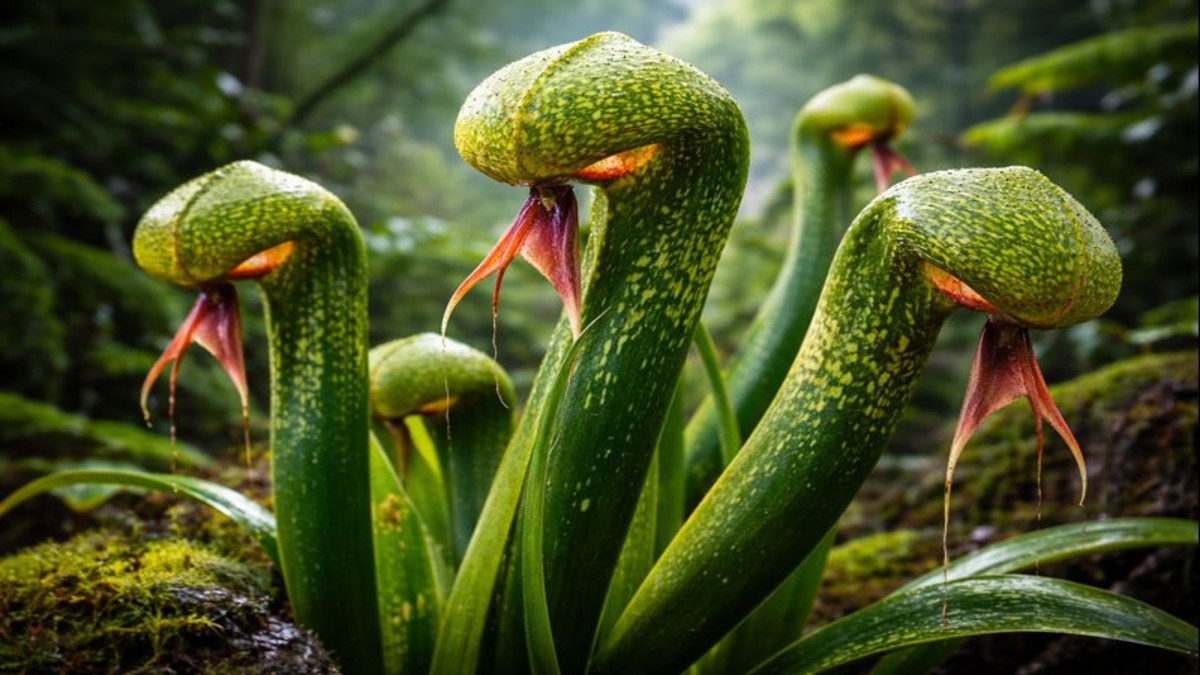
One look and the name makes perfect sense. The plant’s curved, hood-like pitcher resembles a cobra poised to strike. The forked appendage hanging from the front looks eerily like a snake’s tongue. Nature didn’t just design a trap—it designed a masterpiece.
Natural Habitat of the Cobra Plant
Native Regions
Cobra plants are native to Northern California and Southern Oregon. They thrive in remote mountainous regions, often near cold freshwater streams.
Climate and Soil Conditions
These plants love:
- Cool temperatures
- High humidity
- Nutrient-poor, acidic soil
- Constantly flowing cold water
Ironically, while they love sunlight, their roots must stay cool—a tricky balance that makes them challenging to grow.
Unique Physical Characteristics
Pitcher Structure
The cobra plant’s tubular pitcher is its main weapon. Insects enter the pitcher expecting nectar, but once inside, escape becomes nearly impossible.
Color Variations
Cobra plants range from bright green to deep red and purple hues, especially when exposed to strong sunlight. The colors act like neon signs for unsuspecting insects.
False Exit Windows Explained
Tiny translucent patches near the top of the pitcher confuse insects. They mistake these “windows” for exits, bump into the walls repeatedly, and eventually fall deeper into the trap.
How the Cobra Plant Traps Insects
Attraction Mechanism
The plant releases sweet nectar and emits subtle scents that lure flies, ants, and other insects.
Trapping and Digestion Process
Once inside:
- Insects slip on smooth inner walls
- They fall into digestive fluid
- Enzymes break them down
- Nutrients are absorbed by the plant
No snapping shut. No movement. Just clever design.
Growth Cycle of the Cobra Plant
Cobra plants are slow growers. It can take several years for them to mature fully. They produce flowers in early spring—beautiful yellow-green blooms that appear before pitchers form.
Patience is key with this plant, but the reward is worth it.
Is the Cobra Plant Dangerous to Humans?
Not at all. Despite its fearsome look, the cobra plant poses zero threat to humans or pets. It can’t bite, sting, or digest anything larger than a bug. So yes—you can admire it without fear.
How to Grow a Cobra Plant at Home
Light Requirements
Bright, indirect sunlight works best. Morning sun with afternoon shade is ideal.
Watering Needs
Always use:
- Distilled water
- Rainwater
Tap water contains minerals that can harm the plant.
Soil and Pot Selection
Use a mix of:
- Sphagnum moss
- Perlite
Never use regular garden soil.
Temperature Control Tips
Keep roots cool at all times. Many growers use ice cubes or place pots in flowing water trays during summer.
Common Problems When Growing Cobra Plants
- Root rot due to warm water
- Mineral buildup
- Insufficient airflow
- Overheating
This plant is not beginner-friendly—but dedicated growers find it deeply rewarding.
Conclusion
The cobra plant is proof that nature is both intelligent and artistic. From its snake-like appearance to its ingenious insect-trapping system, it’s one of the most fascinating plants on Earth. While challenging to grow, it rewards patience with unmatched beauty and intrigue. Whether you’re a plant enthusiast or just curious about nature’s oddities, the cobra plant is impossible to ignore.
Frequently Asked Questions (FAQs)
1. Is the cobra plant suitable for beginners?
Not really. It requires specific conditions and constant care.
2. Can cobra plants survive indoors?
Yes, but only with proper lighting, airflow, and cool roots.
3. How long do cobra plants live?
With proper care, they can live for decades.
4. Do cobra plants smell bad?
No, they emit a mild scent attractive only to insects.
5. Are cobra plants legal to buy?
Yes, when purchased from licensed growers—not collected from the wild.

Dobutamine: Uses, Mechanism, Dosage, and Side Effects

Nopdle Magazine: Redefining Creative Culture Through Curated Innovation

Shop Easter Basket: The Ultimate Guide to Perfect Easter Gifts

Best Apps to Make Money Online USA (2026 Guide)

How to Start Affiliate Marketing with No Money

Freelance Jobs for Beginners USA (Start with No Experience)

Side Hustle Ideas from Home USA (No Experience Needed) – Beginner’s Guide

Online Jobs from Home USA (Daily Pay) – Start Earning Instantly

Beton Celular Autoclavizat: The Future of Lightweight, Eco-Friendly Construction

Goblets: A Timeless Symbol of Elegance and Celebration
Dobutamine: Uses, Mechanism, Dosage, and Side Effects

Ishraq Time in Delhi: What It Is, When It Happens, and Why It Matters
Beton Celular Autoclavizat: The Future of Lightweight, Eco-Friendly Construction

Read OPM Manga Online: Where and How to Enjoy One Punch Man Legally

Technisches Gymnasium: Your Gateway to Engineering and Technology

Why Every Small Business Needs a Digital Marketing Agency
Goblets: A Timeless Symbol of Elegance and Celebration
Nopdle Magazine: Redefining Creative Culture Through Curated Innovation

Gold Shower: Nature’s Cascading Yellow Wonder

The Indian Bow: A Legacy of Precision, Power, and Tradition
Dobutamine: Uses, Mechanism, Dosage, and Side Effects
Nopdle Magazine: Redefining Creative Culture Through Curated Innovation
Shop Easter Basket: The Ultimate Guide to Perfect Easter Gifts
Best Apps to Make Money Online USA (2026 Guide)
How to Start Affiliate Marketing with No Money
Freelance Jobs for Beginners USA (Start with No Experience)
Side Hustle Ideas from Home USA (No Experience Needed) – Beginner’s Guide
Online Jobs from Home USA (Daily Pay) – Start Earning Instantly
Beton Celular Autoclavizat: The Future of Lightweight, Eco-Friendly Construction
Goblets: A Timeless Symbol of Elegance and Celebration

 entertainment7 months ago
PYT Telegram: A Complete Guide to Understanding, Using, and Maximizing It

 entertainment7 months ago
OnionFlix: Everything You Need to Know About This Streaming Website
- others6 months ago
Nook vs Kindle: Which E-Reader Is Right for You?
- gaming7 months ago
Melisandre: The Enigmatic Priestess of Game of Thrones