others
Cucurbitaceae: A Complete Guide to the Gourd Family

Introduction to Cucurbitaceae
What Is Cucurbitaceae?
Cucurbitaceae, also known as the gourd family, is a large plant family that includes some of the most commonly consumed vegetables and fruits in the world. From cucumbers to pumpkins, this plant family has made its mark on kitchens, farms, and cultures worldwide. They are known for their climbing vines, large leaves, and unique fruit shapes.
Why This Plant Family Matters
Think of a summer picnic: refreshing watermelon slices, fresh cucumber salad, or even a bowl of pumpkin soup in the fall. All these foods belong to the Cucurbitaceae family. Their versatility in both nutrition and cooking makes them essential in global diets.
History and Origin of Cucurbitaceae
Ancient Cultivation
Cucurbitaceae plants are among the oldest domesticated crops. Historical evidence suggests that humans have been growing gourds for more than 10,000 years. In ancient civilizations, they served not only as food but also as containers, bowls, and utensils.
Geographic Distribution
Originally native to tropical and subtropical regions, Cucurbitaceae plants are now cultivated worldwide. Warm climates are ideal for their growth, but improved farming techniques have made them accessible almost everywhere.
Botanical Characteristics of Cucurbitaceae
Growth Habits
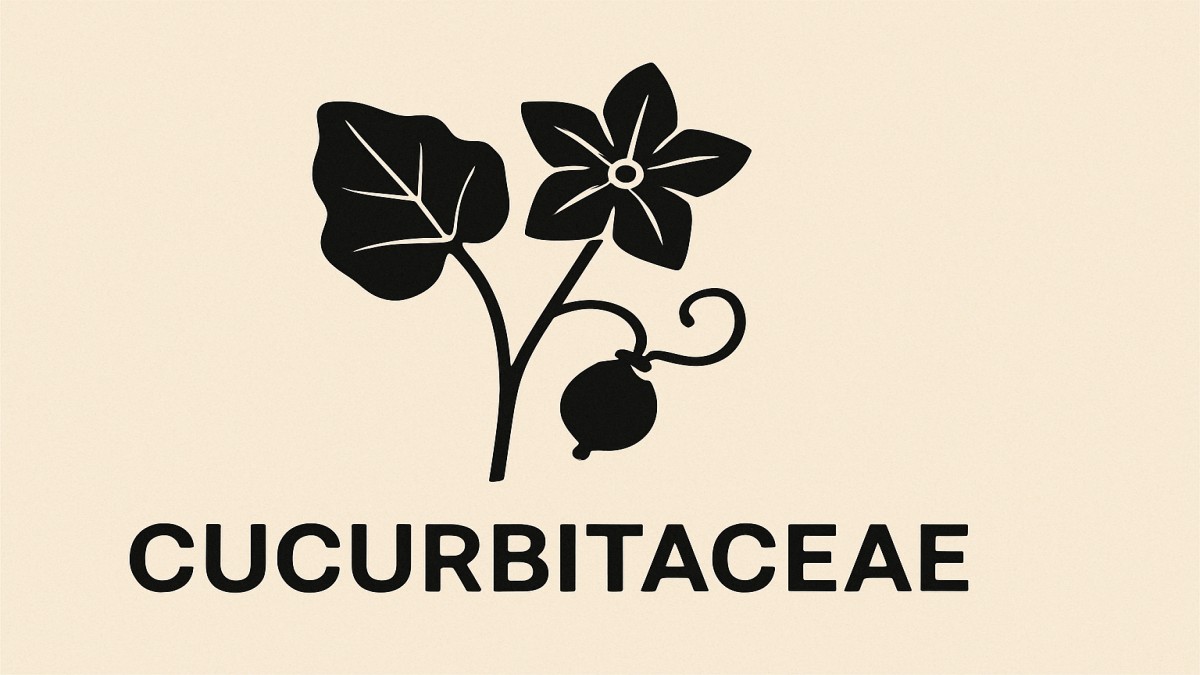
Most Cucurbitaceae species are fast–growing vines that require space to spread. They often grow on trellises or crawl along the ground. Their tendrils help them climb and attach to nearby structures.
Leaf and Flower Structure
You’ll often recognize them by their large, heart-shaped leaves and bright yellow or white flowers. These flowers are typically unisexual, with male and female flowers appearing on the same plant.
Fruit Types
The fruits vary widely—round, elongated, ribbed, or smooth. Some have thick shells like pumpkins, while others, like cucumbers, are soft and hydrating.
Common Members of the Cucurbitaceae Family
Cucumbers
Crisp, refreshing, and perfect for salads or pickles, cucumbers are one of the most popular members of this family.
Pumpkins
Pumpkins are not just for Halloween. They’re nutrient-dense and used in soups, pies, and even beverages.
Watermelons
Sweet and hydrating, watermelons are synonymous with hot summer days.
Squash and Zucchini
Versatile and mild-tasting, squash varieties are staples in many dishes around the world.
Melons
Cantaloupe, honeydew, and other melons bring sweetness and hydration to the table.
Nutritional Value of Cucurbitaceae Plants
Vitamins and Minerals
These plants are rich in vitamins A, C, and K. They also supply potassium, magnesium, and essential minerals.
Antioxidants
Pumpkins and melons are especially high in antioxidants, which help reduce inflammation and support overall health.
Hydration Benefits
Most Cucurbitaceae fruits contain more than 90% water, making them great for hydration.
Culinary Uses
Raw Consumption
Cucumbers and melons are often eaten fresh due to their crisp texture and refreshing flavor.
Cooking Uses
Pumpkin soups, roasted squash, or stir-fried zucchini—these plants adapt to countless recipes.
Beverages and Desserts
From watermelon juice to pumpkin pie, Cucurbitaceae finds its way into sweet treats and refreshing drinks.
Medicinal and Health Benefits
Digestive Health
Fiber-rich varieties like pumpkin and squash promote smooth digestion.
Skin Benefits
Cucumber extracts are widely used in skincare for soothing and hydrating effects.
Immune Support
Vitamin C-rich melons strengthen immunity and enhance overall wellness.
Cultivation and Farming
Climate Requirements
Warm temperatures and plenty of sunlight are key. Cucurbitaceae plants thrive in tropical and temperate regions.
Soil Types
They prefer well–drained soil enriched with organic matter.
Common Pests
Aphids, beetles, and powdery mildew often challenge farmers, requiring regular monitoring.
Harvesting Techniques
Harvesting depends on the fruit type—some, like cucumbers, are picked young, while pumpkins are harvested when fully mature.
Economic Importance
Global Production
Countries like China, India, and the United States produce massive quantities of Cucurbitaceae crops.
Market Demand
Their popularity in global cuisines ensures steady demand in both fresh and processed markets.
Environmental Benefits
Soil Improvement
These plants provide ground cover that prevents soil erosion and promotes moisture retention.
Sustainable Agriculture
Their fast growth makes them suitable for crop rotation and sustainable farming methods.
Conclusion
The Cucurbitaceae family is more than just a collection of fruits and vegetables—it’s a vital part of global food systems, culture, and nutrition. Whether you love biting into a juicy watermelon or savoring a warm pumpkin soup, this plant family has something for everyone.
FAQs
1. What makes Cucurbitaceae unique?
Their climbing vines, large leaves, and diverse fruit types make them stand out among plant families.
2. Are all Cucurbitaceae fruits edible?
Most are, but some varieties are grown for ornamental or practical uses rather than consumption.
3. Which member of this family is the most nutritious?
Pumpkin is particularly nutrient-dense, rich in vitamins, antioxidants, and fiber.
4. Can Cucurbitaceae plants grow in colder climates?
They prefer warm climates, but with proper care, some varieties can be grown in cooler regions.
5. Are Cucurbitaceae fruits good for hydration?
Yes! Many, like watermelon and cucumber, contain more than 90% water.

Dobutamine: Uses, Mechanism, Dosage, and Side Effects

Nopdle Magazine: Redefining Creative Culture Through Curated Innovation

Shop Easter Basket: The Ultimate Guide to Perfect Easter Gifts

Best Apps to Make Money Online USA (2026 Guide)

How to Start Affiliate Marketing with No Money

Freelance Jobs for Beginners USA (Start with No Experience)

Side Hustle Ideas from Home USA (No Experience Needed) – Beginner’s Guide

Online Jobs from Home USA (Daily Pay) – Start Earning Instantly

Beton Celular Autoclavizat: The Future of Lightweight, Eco-Friendly Construction

Goblets: A Timeless Symbol of Elegance and Celebration
Dobutamine: Uses, Mechanism, Dosage, and Side Effects

Ishraq Time in Delhi: What It Is, When It Happens, and Why It Matters
Beton Celular Autoclavizat: The Future of Lightweight, Eco-Friendly Construction

Read OPM Manga Online: Where and How to Enjoy One Punch Man Legally

Technisches Gymnasium: Your Gateway to Engineering and Technology

Why Every Small Business Needs a Digital Marketing Agency
Goblets: A Timeless Symbol of Elegance and Celebration
Nopdle Magazine: Redefining Creative Culture Through Curated Innovation

Gold Shower: Nature’s Cascading Yellow Wonder

The Indian Bow: A Legacy of Precision, Power, and Tradition
Dobutamine: Uses, Mechanism, Dosage, and Side Effects
Nopdle Magazine: Redefining Creative Culture Through Curated Innovation
Shop Easter Basket: The Ultimate Guide to Perfect Easter Gifts
Best Apps to Make Money Online USA (2026 Guide)
How to Start Affiliate Marketing with No Money
Freelance Jobs for Beginners USA (Start with No Experience)
Side Hustle Ideas from Home USA (No Experience Needed) – Beginner’s Guide
Online Jobs from Home USA (Daily Pay) – Start Earning Instantly
Beton Celular Autoclavizat: The Future of Lightweight, Eco-Friendly Construction
Goblets: A Timeless Symbol of Elegance and Celebration

 entertainment7 months ago
PYT Telegram: A Complete Guide to Understanding, Using, and Maximizing It

 entertainment7 months ago
OnionFlix: Everything You Need to Know About This Streaming Website
- others6 months ago
Nook vs Kindle: Which E-Reader Is Right for You?
- gaming7 months ago
Melisandre: The Enigmatic Priestess of Game of Thrones