others
Fiber vs Cable Internet: Which One Is Right for You?

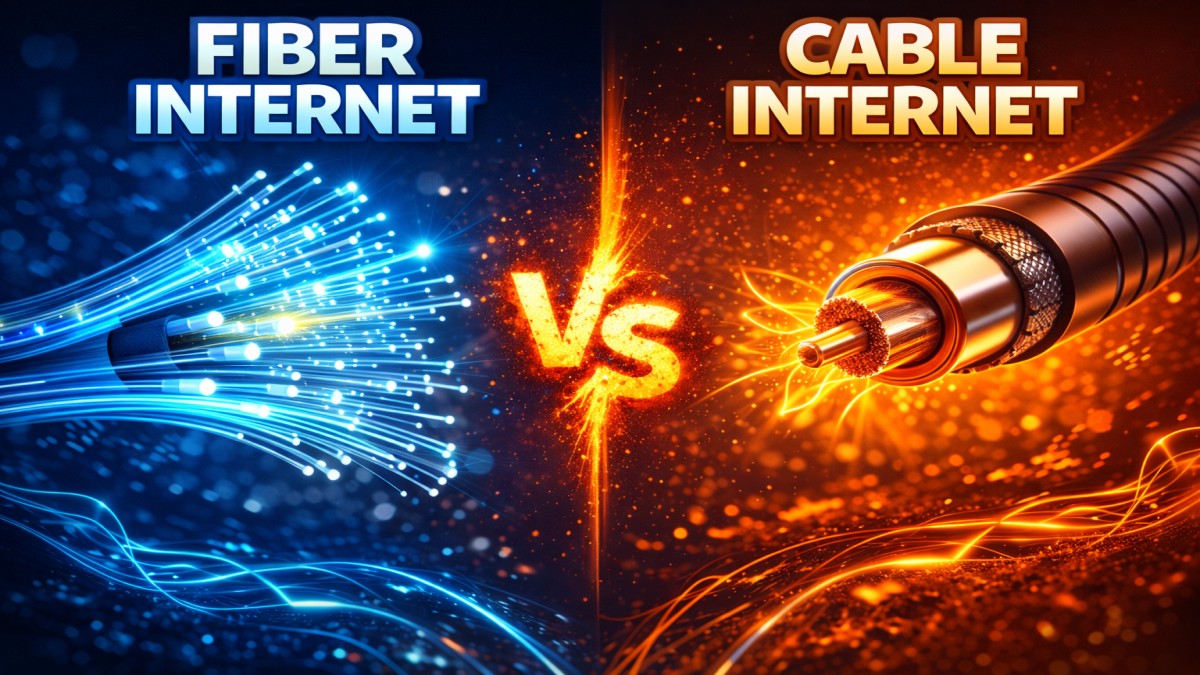
Choosing an internet connection today feels a bit like choosing between a sports car and a reliable sedan. Both will get you where you need to go, but the experience can be wildly different. Fiber vs cable internet is one of the most common debates for homeowners, gamers, streamers, and remote workers alike. So which one truly fits your lifestyle?
Let’s break it all down in simple, human language—no tech headaches, no confusing jargon.
Understanding Internet Connection Types
What Is Fiber Internet?
Fiber internet uses fiber-optic cables made of thin strands of glass or plastic to transmit data as light. Yes—actual light. That’s why it’s incredibly fast and efficient.
How Fiber-Optic Technology Works
Data travels as pulses of light through fiber cables, bouncing along at nearly the speed of light. This allows fiber connections to deliver blazing-fast speeds with minimal signal loss.
What Is Cable Internet?
Cable internet runs through the same coaxial cables originally designed for cable TV. It sends data using electrical signals instead of light.
How Cable Internet Delivers Data
Data is transmitted through copper cables shared among nearby users. This shared setup is why cable speeds can dip during peak hours.
Speed Comparison: Fiber vs Cable
Download Speeds
Fiber internet typically offers download speeds ranging from 300 Mbps up to 10 Gbps. Cable internet usually tops out around 1 Gbps.
In plain terms: fiber is the Ferrari of downloads.
Upload Speeds
This is where fiber really flexes. Fiber offers symmetrical speeds—meaning uploads are just as fast as downloads. Cable uploads are much slower, often capped at 20–50 Mbps.
Latency and Ping
Fiber has lower latency, which means faster response times. If you’re gaming or video calling, fiber feels smoother and more responsive.
Reliability and Performance
Network Congestion
Cable internet is shared with your neighbors. When everyone jumps online after dinner, speeds can slow down. Fiber connections are either dedicated or far less affected by congestion.
Weather and Environmental Impact
Fiber is resistant to electromagnetic interference and weather-related disruptions. Cable can be more vulnerable during storms or extreme temperatures.
Availability and Coverage
Urban vs Rural Access
Cable internet is widely available across cities and suburbs. Fiber, while expanding rapidly, is still limited in many rural areas.
Infrastructure Limitations
Installing fiber requires new infrastructure, which takes time and money. Cable networks already exist almost everywhere.
Cost Comparison
Installation Costs
Fiber installation can be expensive if your area isn’t already wired. Cable installations are usually cheaper and quicker.
Monthly Pricing
Fiber plans may cost slightly more per month, but the speed-to-price ratio is often better. Cable is usually more affordable upfront.
Value for Money
If speed, stability, and future-proofing matter, fiber offers better long-term value.
Use Cases: Who Should Choose What?
Gamers
Fiber wins hands down. Low latency, fast uploads, and consistent speeds are perfect for competitive gaming.
Remote Workers
Video calls, file uploads, and cloud access work flawlessly on fiber. Cable can work too—but fiber is smoother.
Families and Streamers
Streaming multiple 4K videos? Fiber handles it effortlessly. Cable can struggle during peak times.
Businesses
Fiber is ideal for businesses that rely on cloud services, VoIP, and large data transfers.
Fiber vs Cable for Streaming and Gaming
4K and 8K Streaming
Fiber handles ultra-HD streaming without buffering. Cable can do 4K, but heavy household usage may cause hiccups.
Online Gaming Experience
Fiber feels like a private highway. Cable is more like city traffic—fine most days, frustrating during rush hour.
Scalability and Future-Proofing
Long-Term Speed Potential
Fiber can scale up dramatically without replacing cables. Cable has physical speed limitations.
Technology Upgrades
Fiber is built for the future. Cable upgrades often require infrastructure changes.
Pros and Cons Summary
Fiber Internet Pros and Cons
Pros
- Extremely fast speeds
- Symmetrical upload/download
- Low latency
- Highly reliable
Cons
- Limited availability
- Higher installation costs
Cable Internet Pros and Cons
Pros
- Widely available
- Lower upfront cost
- Reliable for everyday use
Cons
- Slower uploads
- Shared bandwidth
- Speed drops during peak hours
Conclusion
The fiber vs cable internet debate isn’t about good vs bad—it’s about best vs better. Fiber is the gold standard, offering unmatched speed and reliability. Cable, however, remains a strong contender thanks to its availability and affordability. Your perfect choice depends on how you use the internet today—and where you want to be tomorrow.
FAQs
1. Is fiber internet faster than cable?
Yes, fiber is significantly faster, especially for upload speeds.
2. Is cable internet good for gaming?
Yes, but fiber provides lower latency and a smoother experience.
3. Why is fiber internet not available everywhere?
Because installing fiber infrastructure is expensive and time-consuming.
4. Does cable internet slow down at night?
It can, due to shared bandwidth during peak hours.
5. Is fiber internet worth the extra cost?
If you value speed, stability, and future-proofing—absolutely.

Dobutamine: Uses, Mechanism, Dosage, and Side Effects

Nopdle Magazine: Redefining Creative Culture Through Curated Innovation

Shop Easter Basket: The Ultimate Guide to Perfect Easter Gifts

Best Apps to Make Money Online USA (2026 Guide)

How to Start Affiliate Marketing with No Money

Freelance Jobs for Beginners USA (Start with No Experience)

Side Hustle Ideas from Home USA (No Experience Needed) – Beginner’s Guide

Online Jobs from Home USA (Daily Pay) – Start Earning Instantly

Beton Celular Autoclavizat: The Future of Lightweight, Eco-Friendly Construction

Goblets: A Timeless Symbol of Elegance and Celebration
Dobutamine: Uses, Mechanism, Dosage, and Side Effects

Ishraq Time in Delhi: What It Is, When It Happens, and Why It Matters
Beton Celular Autoclavizat: The Future of Lightweight, Eco-Friendly Construction

Read OPM Manga Online: Where and How to Enjoy One Punch Man Legally

Technisches Gymnasium: Your Gateway to Engineering and Technology

Why Every Small Business Needs a Digital Marketing Agency
Goblets: A Timeless Symbol of Elegance and Celebration
Nopdle Magazine: Redefining Creative Culture Through Curated Innovation

Gold Shower: Nature’s Cascading Yellow Wonder

The Indian Bow: A Legacy of Precision, Power, and Tradition
Dobutamine: Uses, Mechanism, Dosage, and Side Effects
Nopdle Magazine: Redefining Creative Culture Through Curated Innovation
Shop Easter Basket: The Ultimate Guide to Perfect Easter Gifts
Best Apps to Make Money Online USA (2026 Guide)
How to Start Affiliate Marketing with No Money
Freelance Jobs for Beginners USA (Start with No Experience)
Side Hustle Ideas from Home USA (No Experience Needed) – Beginner’s Guide
Online Jobs from Home USA (Daily Pay) – Start Earning Instantly
Beton Celular Autoclavizat: The Future of Lightweight, Eco-Friendly Construction
Goblets: A Timeless Symbol of Elegance and Celebration

 entertainment7 months ago
PYT Telegram: A Complete Guide to Understanding, Using, and Maximizing It

 entertainment7 months ago
OnionFlix: Everything You Need to Know About This Streaming Website
- others6 months ago
Nook vs Kindle: Which E-Reader Is Right for You?
- gaming7 months ago
Melisandre: The Enigmatic Priestess of Game of Thrones