others
Florist Kalanchoe: A Colorful, Low-Maintenance Houseplant You’ll Love

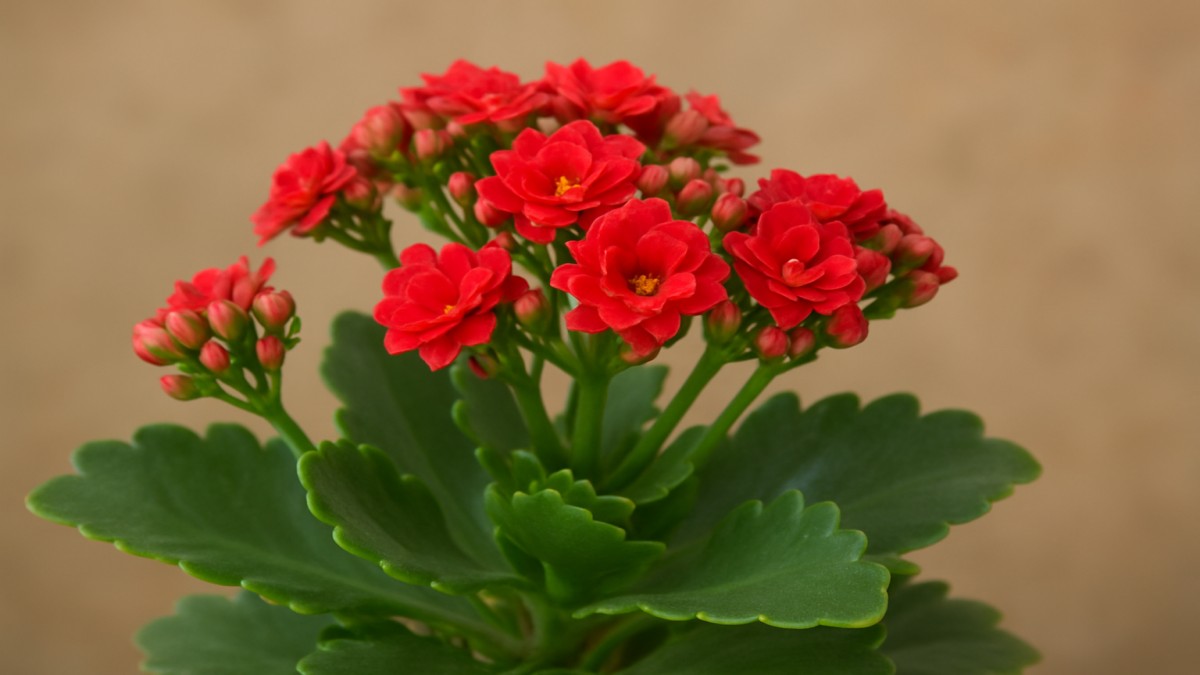
The florist kalanchoe (Kalanchoe blossfeldiana) is one of the most popular flowering houseplants worldwide known for its vivid blooms, glossy leaves, and impressively long flowering season. Whether you’re a beginner plant parent or an experienced gardener, this compact succulent has a special way of brightening up any space with minimal effort.
In this article, you’ll learn everything you need to know about florist kalanchoe from its origins and characteristics to care, propagation, and common problems.
What Is Florist Kalanchoe?
Florist kalanchoe is a flowering succulent native to Madagascar. It belongs to the Crassulaceae family, which includes other well-known succulents like jade plants and echeverias. This plant stands out because it combines the durability of succulents with the beauty of long-lasting clusters of blooms.
Appearance and Characteristics
1. Compact Growth
Florist kalanchoe typically grows 6–18 inches tall, making it perfect for tabletops, windowsills, and decorative arrangements.
2. Thick, Glossy Leaves
Its fleshy, dark-green leaves store water, giving the plant excellent drought resistance.
3. Vibrant Flowers
The blooms come in a variety of colors, including:
- Red
- Pink
- Orange
- Yellow
- White
- Purple
You can also find double-flowered varieties that resemble miniature roses.
4. Long Blooming Season
A single plant can stay in bloom for up to eight to twelve weeks—far longer than many other indoor flowering plants.
Ideal Growing Conditions
Light Requirements
Florist kalanchoe thrives in bright, indirect sunlight. A sunny windowsill is ideal. When grown indoors, insufficient light may lead to fewer blooms and leggy stems.
Temperature Preferences
These plants prefer:
- Daytime: 18–24°C (65–75°F)
- Nighttime: 12–16°C (55–60°F)
They are not frost-tolerant and must be kept indoors in cold climates.
Soil Type
Use a well-draining soil mix, such as:
- Cactus/succulent potting mix
- Regular potting soil with added perlite or sand
Good drainage is essential to prevent root rot.
How to Care for Florist Kalanchoe
1. Watering
As a succulent, it needs less water than most other flowering houseplants.
Water only when:
- The top 1–2 inches of soil are dry.
Avoid overwatering, as this is the main cause of plant decline. Ensure the pot has drainage holes.
2. Fertilizing
Feed your plant:
- Once a month during the growing season
- Use a balanced, water-soluble fertilizer
Avoid overfertilizing, which can burn the roots.
3. Pruning
Light pruning helps keep the plant compact.
- Remove dead or faded flowers to encourage new blooms.
- Trim leggy stems to maintain shape.
4. Repotting
Repot every 1–2 years or when roots become overcrowded. Choose a pot only one size larger to avoid excessive soil moisture.
Encouraging Reblooming
While florist kalanchoe is often sold as a disposable flowering plant, it can definitely rebloom with the right care.
Short-Day Treatment
Kalanchoe requires short days and long nights to trigger flowering—similar to poinsettias.
To encourage blooms:
- Provide 14 hours of darkness per day for 4–6 weeks.
- Keep it in bright light during the remaining hours.
- Reduce watering slightly during this period.
Once buds form, resume normal care.
Propagation Methods
Florist kalanchoe is easy to multiply, making it a favorite among plant enthusiasts.
1. Leaf Cuttings
- Remove a healthy leaf.
- Let it callous for 1–2 days.
- Place on well-draining soil.
- Mist lightly until roots form.
2. Stem Cuttings
- Cut a healthy stem 4–6 inches long.
- Allow it to dry and callous.
- Plant in soil and keep lightly moist.
3. Offshoots
Some plants produce small pups at the base—these can be gently separated and repotted.
Common Problems and Solutions
1. Overwatering
Symptoms: Yellow leaves, mushy roots
Solution: Allow soil to dry; repot if necessary.
2. Insufficient Light
Symptoms: Stretched stems, fewer blooms
Solution: Move to a brighter location.
3. Pests
Common pests include:
- Mealybugs
- Aphids
- Spider mites
Use insecticidal soap or neem oil to control infestations.
4. Drooping Leaves
Often caused by underwatering or temperature stress.
Conclusion
The florist kalanchoe is a vibrant, low-maintenance plant that brings color and life to any space. Whether you admire its glossy leaves, long-lasting blooms, or easy-care nature, it’s a plant that fits beautifully into any home. With proper care—bright light, occasional watering, and some patience—you can enjoy its cheerful blossoms year after year.
FAQs
1. Is florist kalanchoe toxic to pets?
Yes. Kalanchoe can be toxic to cats and dogs if ingested.
2. How often should I water my florist kalanchoe?
Water only when the soil’s top layer is dry—usually every 1–2 weeks.
3. Can kalanchoe grow outdoors?
Yes, but only in warm climates (USDA zones 9–12). In colder regions, keep it indoors.
4. Why isn’t my kalanchoe blooming again?
It needs short-day conditions—long nights—for 4–6 weeks to trigger flowering.
5. How long do florist kalanchoe flowers last?
Blooms typically last 8–12 weeks, depending on care and light conditions.

Dobutamine: Uses, Mechanism, Dosage, and Side Effects

Nopdle Magazine: Redefining Creative Culture Through Curated Innovation

Shop Easter Basket: The Ultimate Guide to Perfect Easter Gifts

Best Apps to Make Money Online USA (2026 Guide)

How to Start Affiliate Marketing with No Money

Freelance Jobs for Beginners USA (Start with No Experience)

Side Hustle Ideas from Home USA (No Experience Needed) – Beginner’s Guide

Online Jobs from Home USA (Daily Pay) – Start Earning Instantly

Beton Celular Autoclavizat: The Future of Lightweight, Eco-Friendly Construction

Goblets: A Timeless Symbol of Elegance and Celebration
Dobutamine: Uses, Mechanism, Dosage, and Side Effects

Ishraq Time in Delhi: What It Is, When It Happens, and Why It Matters
Beton Celular Autoclavizat: The Future of Lightweight, Eco-Friendly Construction

Read OPM Manga Online: Where and How to Enjoy One Punch Man Legally

Technisches Gymnasium: Your Gateway to Engineering and Technology

Why Every Small Business Needs a Digital Marketing Agency
Goblets: A Timeless Symbol of Elegance and Celebration
Nopdle Magazine: Redefining Creative Culture Through Curated Innovation

Gold Shower: Nature’s Cascading Yellow Wonder

The Indian Bow: A Legacy of Precision, Power, and Tradition
Dobutamine: Uses, Mechanism, Dosage, and Side Effects
Nopdle Magazine: Redefining Creative Culture Through Curated Innovation
Shop Easter Basket: The Ultimate Guide to Perfect Easter Gifts
Best Apps to Make Money Online USA (2026 Guide)
How to Start Affiliate Marketing with No Money
Freelance Jobs for Beginners USA (Start with No Experience)
Side Hustle Ideas from Home USA (No Experience Needed) – Beginner’s Guide
Online Jobs from Home USA (Daily Pay) – Start Earning Instantly
Beton Celular Autoclavizat: The Future of Lightweight, Eco-Friendly Construction
Goblets: A Timeless Symbol of Elegance and Celebration

 entertainment7 months ago
PYT Telegram: A Complete Guide to Understanding, Using, and Maximizing It

 entertainment7 months ago
OnionFlix: Everything You Need to Know About This Streaming Website
- others6 months ago
Nook vs Kindle: Which E-Reader Is Right for You?
- gaming7 months ago
Melisandre: The Enigmatic Priestess of Game of Thrones