others
Flying Car — The Future of Mobility

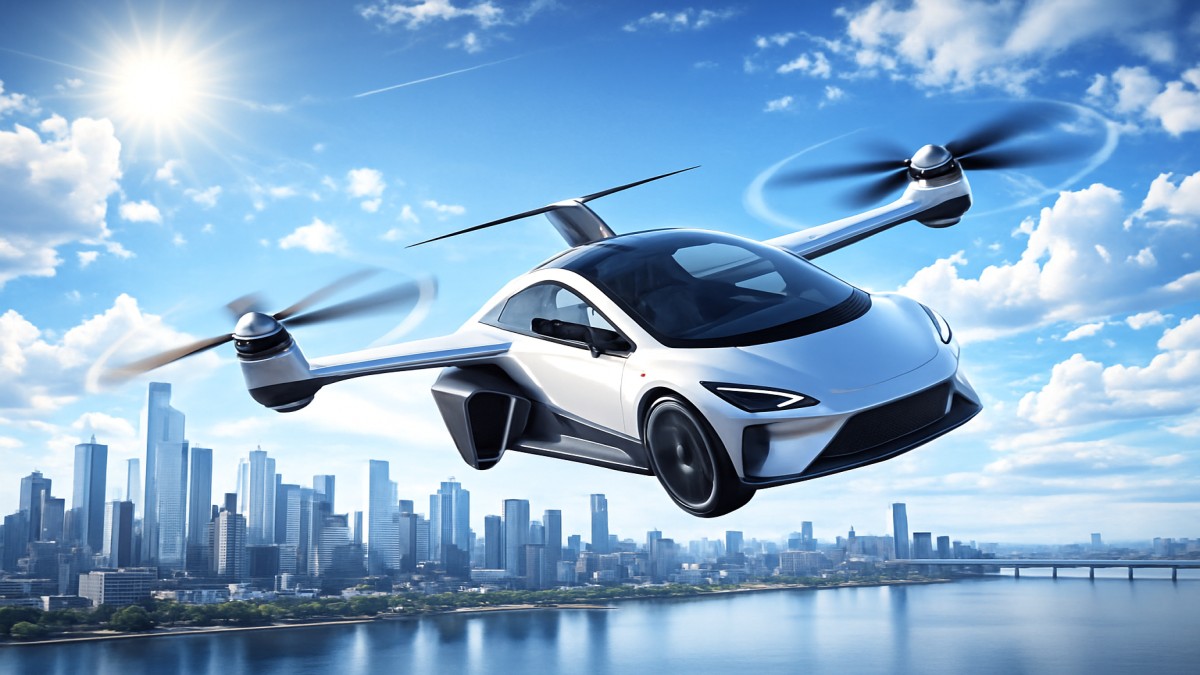
Flying Car. Imagine commuting above traffic jams in a compact vehicle that lifts off from a rooftop, drops you at a vertiport, then folds its wings and drives like a car. It sounds like science fiction but flying cars are closer to reality than many think. This article breaks down what flying cars are, how they work, and what it will take for them to become part of everyday life.
What Is a Flying Car?
A flying car is any vehicle designed to operate both on roads and in the air. That broad definition includes several categories: roadable aircraft (cars that convert to planes), VTOLs (vertical takeoff and landing aircraft that might drive too), and eVTOL air taxis designed primarily for urban flight.
Definitions and categories
- Roadable aircraft: foldable wings, runway takeoffs.
- VTOL/eVTOL: vertical lift via rotors or fans—often electric.
- Personal VTOLs: lightweight vehicles for one or two people.
Difference between VTOL, eVTOL and roadable aircraft
VTOL refers to the capability; eVTOL specifies electric power. Roadable aircraft prioritize road performance and still need runways.
A Brief History of Flying Cars
Dreams of flying cars date back a century. Early postwar prototypes attempted to marry cars and planes but were heavy, unsafe, and impractical. The 21st century brought lighter materials, efficient electric motors, and advanced control systems reviving interest. Today dozens of prototypes are flying under test programs.
How Flying Cars Work (Technology)
Modern flying cars combine propulsion, flight control, and automotive systems.
Propulsion systems
- Electric: quiet, efficient for short hops.
- Hybrid: extends range with combustion engines.
- Combustion: still used for runway planes.
Lift vs thrust
Designs use rotors (multi-rotor drones), tilt-rotors (transition from vertical lift to forward flight), or ducted fans for safety and compactness.
Avionics and autonomy
Autonomous flight systems reduce pilot workload and are crucial for safety in dense urban airspaces.
Types of Flying Cars on the Market
- Roadable aircraft: Can drive on highways and fly from airports.
- eVTOL air taxis: Designed for short urban trips, often piloted remotely or autonomously.
- Personal VTOL craft: For enthusiasts or special services like emergency response.
Safety & Certification
Flying cars face dual regulatory worlds: automotive safety and aviation certification. Aviation requires rigorous redundancy, testing, and certified pilots or validated autonomy. Automotive-style crash protections also matter when landing or on-road.
Infrastructure Needs
Widespread use demands vertiports—compact takeoff/landing hubs—charging stations, and an air traffic control system for low-altitude corridors. Cities must rethink rooftops, parking structures, and zoning to accommodate flying vehicles.
Environmental Impact
Electric flying cars could reduce emissions compared with short helicopter rides. Noise and energy consumption are concerns: rotors are loud, and vertical lift is energy-intensive. Advances in battery tech and quieter propulsors could tip the balance.
Economic & Social Considerations
Flying cars could spawn jobs in manufacturing, maintenance, and new service industries. But initial costs will be high, potentially limiting access. Policymakers must consider equity to avoid creating an airborne elite.
Regulatory & Legal Challenges
Airspace rules, pilot licensing, and insurance frameworks need updating. Who’s liable in an accident — the software developer, manufacturer, or operator? Regulators worldwide are grappling with these questions now.
Leading Companies & Projects
Startups and legacy aerospace firms are racing: eVTOL ventures, urban air mobility pilots, and hybrid roadable prototypes. Public-private partnerships and city pilots will shape early deployments.
Barriers to Widespread Adoption
Key hurdles include battery energy density, safe autonomy, regulatory alignment, infrastructure buildout, and public acceptance. Overcoming them requires technological progress and coordinated policy.
Conclusion
Flying cars are not a single invention but a spectrum of vehicles that blend road and air mobility. Progress is real: prototypes fly, regulations evolve, and infrastructure planning is underway. Yet mainstream adoption depends on solving hard problems — safety, noise, energy, and equitable access. When (and where) they arrive, flying cars will reshape how we think about distance, commuting, and urban design.
FAQs
1. Are flying cars safe?
Safety is a top priority; modern designs use redundant systems and autonomy, but extensive testing and certification are required before mass use.
2. Will flying cars be noisy?
Early designs can be noisy, but electric propulsion and optimized rotors aim to reduce noise significantly.
3. Do flying cars need a pilot’s license?
Initially, yes—but increasing automation may allow operation with reduced training or remote piloting under regulation.
4. How much will a flying car cost?
Early models will be expensive—likely tens or hundreds of thousands of dollars—but costs may fall with scale and technology improvement.
5. Can flying cars help reduce traffic congestion?
They can shift some trips to the air, easing roads. However, capacity limits and vertiport availability mean they are a complement, not a wholesale replacement for ground transit.

Dobutamine: Uses, Mechanism, Dosage, and Side Effects

Nopdle Magazine: Redefining Creative Culture Through Curated Innovation

Shop Easter Basket: The Ultimate Guide to Perfect Easter Gifts

Best Apps to Make Money Online USA (2026 Guide)

How to Start Affiliate Marketing with No Money

Freelance Jobs for Beginners USA (Start with No Experience)

Side Hustle Ideas from Home USA (No Experience Needed) – Beginner’s Guide

Online Jobs from Home USA (Daily Pay) – Start Earning Instantly

Beton Celular Autoclavizat: The Future of Lightweight, Eco-Friendly Construction

Goblets: A Timeless Symbol of Elegance and Celebration
Dobutamine: Uses, Mechanism, Dosage, and Side Effects

Ishraq Time in Delhi: What It Is, When It Happens, and Why It Matters
Beton Celular Autoclavizat: The Future of Lightweight, Eco-Friendly Construction

Read OPM Manga Online: Where and How to Enjoy One Punch Man Legally

Technisches Gymnasium: Your Gateway to Engineering and Technology

Why Every Small Business Needs a Digital Marketing Agency
Goblets: A Timeless Symbol of Elegance and Celebration
Nopdle Magazine: Redefining Creative Culture Through Curated Innovation

Gold Shower: Nature’s Cascading Yellow Wonder

The Indian Bow: A Legacy of Precision, Power, and Tradition
Dobutamine: Uses, Mechanism, Dosage, and Side Effects
Nopdle Magazine: Redefining Creative Culture Through Curated Innovation
Shop Easter Basket: The Ultimate Guide to Perfect Easter Gifts
Best Apps to Make Money Online USA (2026 Guide)
How to Start Affiliate Marketing with No Money
Freelance Jobs for Beginners USA (Start with No Experience)
Side Hustle Ideas from Home USA (No Experience Needed) – Beginner’s Guide
Online Jobs from Home USA (Daily Pay) – Start Earning Instantly
Beton Celular Autoclavizat: The Future of Lightweight, Eco-Friendly Construction
Goblets: A Timeless Symbol of Elegance and Celebration

 entertainment7 months ago
PYT Telegram: A Complete Guide to Understanding, Using, and Maximizing It

 entertainment7 months ago
OnionFlix: Everything You Need to Know About This Streaming Website
- others6 months ago
Nook vs Kindle: Which E-Reader Is Right for You?
- gaming7 months ago
Melisandre: The Enigmatic Priestess of Game of Thrones