others
Green Cumin: Flavor, Benefits, Uses & Everything You Need to Know

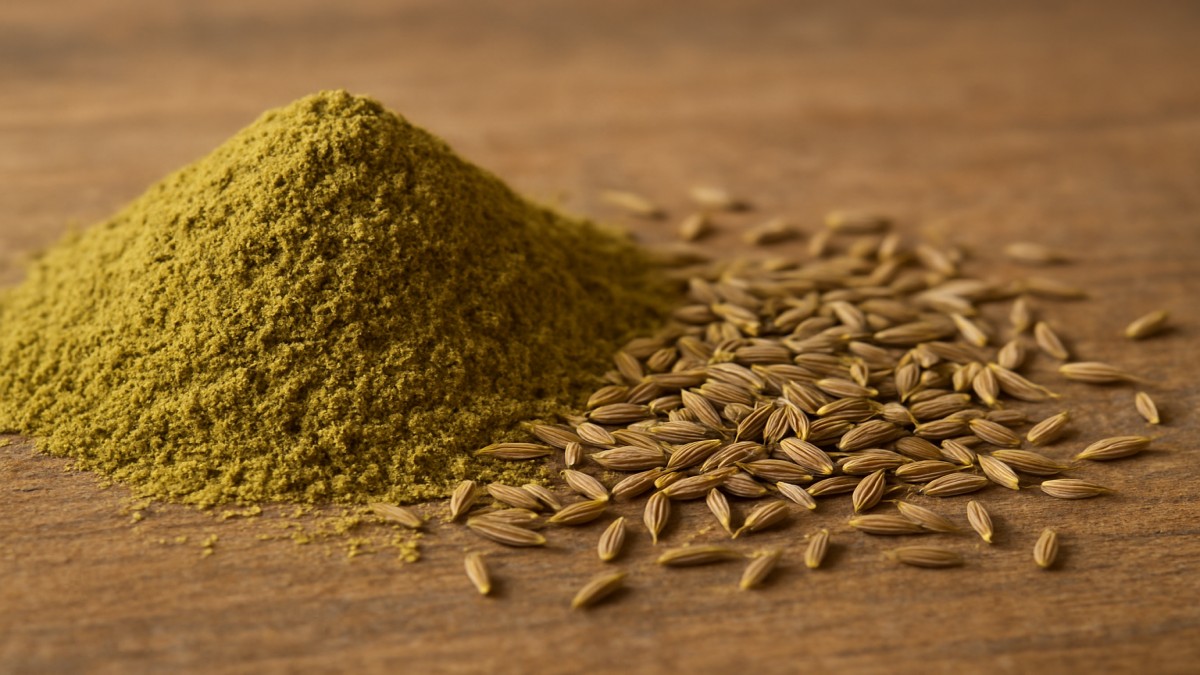
Green cumin is one of those spices that may not always steal the spotlight, but once you experience its fresh aroma and vibrant flavor, there’s no going back. From boosting your digestion to enhancing the taste of your favorite dishes, green cumin has earned its spot in kitchens and herbal traditions worldwide.
Let’s explore what makes green cumin so special.
What Is Green Cumin?
Green cumin, also called “fresh cumin” or shahi jeera in some regions, is an aromatic spice harvested earlier than traditional brown cumin. Its seeds are greener, softer, and more fragrant. While it’s used widely in Middle Eastern and South Asian cooking, it’s slowly gaining global popularity.
Green Cumin vs. Regular Cumin
They come from the same plant family, but they differ in:
- Color: Green cumin is lighter and greener.
- Aroma: More floral, fresh, and herbal.
- Flavor: Slightly sweeter and less earthy than regular cumin.
- Usage: Preferred in delicate dishes where flavor balance matters.
Origins and Cultural Importance
Green cumin has been used for centuries in Persian, Indian, and Mediterranean kitchens. Ancient civilizations believed it enhanced energy, digestion, and even luck. Today, it remains an essential ingredient in spice blends, healing rituals, and festive dishes.
Characteristics of Green Cumin
Appearance and Aroma
Green cumin seeds are slender, greenish-brown, and highly aromatic. Even a pinch can lift the aroma of an entire dish.
Flavor Profile
Expect a mix of:
- Herbal freshness
- Mild sweetness
- Warm earthiness
It’s more delicate than regular cumin, making it great for soups, rice, and bread.
Nutritional Value
Green cumin is rich in:
- Vitamin C
- Vitamin A
- Iron
- Calcium
- Antioxidants
These nutrients make it both flavorful and healthy.
Health Benefits of Green Cumin
Supports Digestion
Green cumin stimulates digestive enzymes, helping relieve bloating, gas, and indigestion.
Rich in Antioxidants
Its natural compounds help fight free radicals, supporting long-term health.
Anti-inflammatory Properties
Green cumin may reduce inflammation, easing discomfort from conditions like arthritis and gut irritation.
Boosts Immunity
Thanks to its vitamin C and antioxidant content, green cumin strengthens immune defenses.
Helps in Weight Management
It may enhance metabolism and support fat burning when paired with a healthy lifestyle.
Culinary Uses of Green Cumin
Whole Seeds vs. Ground
- Whole seeds are best for tempering in oil.
- Ground cumin blends smoothly into sauces and soups.
Popular Dishes Using Green Cumin
Middle Eastern Cuisine
Used in kebabs, pilafs, and yogurt dips for its fresh aroma.
Indian Curries
Added to rice, dals, masalas, and biryanis.
Latin American Cooking
Enhances beans, stews, and salsas with bright flavor.
How to Toast, Grind, and Store
- Toast seeds over low heat until fragrant.
- Grind freshly for the best flavor.
- Store in airtight containers away from sunlight.
Green Cumin in Traditional Medicine
Herbal Remedies
Used to soothe digestive discomfort, detox the body, and calm inflammation.
Green Cumin Tea
A warm infusion made by boiling seeds in water—great for digestion and immunity.
Use in Ayurvedic and Natural Healing Practices
Green cumin is believed to balance the digestive fire (agni), reduce toxins (ama), and support clarity and energy.
How to Grow and Harvest Green Cumin
Best Growing Conditions
- Full sun
- Well-drained soil
- Warm climate
Planting Tips
Sow seeds directly in the soil, keep the area lightly moist, and give the plants plenty of sunlight.
Harvesting Methods
Pick seeds when they turn slightly brown but still have their signature green tint.
Buying and Storing Green Cumin
How to Choose Quality Cumin
Look for:
- Bright greenish color
- Strong aroma
- Clean, unbroken seeds
Shelf Life and Preservation
Store in an airtight jar for up to a year. Keep away from heat and humidity.
Possible Side Effects and Precautions
Who Should Avoid It
- Individuals allergic to cumin
- Pregnant women in large medicinal doses
Recommended Intake
Culinary amounts are safe. Herbal doses should be used moderately.
Conclusion
Green cumin is more than just a spice—it’s a fragrant powerhouse packed with health benefits and rich cultural history. Whether you’re cooking up a feast, improving your digestion, or boosting your wellness routine, this fresh, aromatic seed deserves a permanent spot in your pantry.
FAQs About Green Cumin
1. Is green cumin healthier than regular cumin?
Both are healthy, but green cumin has a fresher aroma and slightly more antioxidants.
2. Can I substitute green cumin for brown cumin?
Yes—though the flavor will be lighter and more herbal.
3. How do I use green cumin in tea?
Boil 1 teaspoon of seeds in water for 5–7 minutes.
4. Does green cumin help with bloating?
Yes, it naturally relieves gas and supports digestion.
5. Can green cumin be used in baking?
Absolutely! It adds a subtle, aromatic twist to breads and savory pastries.

Dobutamine: Uses, Mechanism, Dosage, and Side Effects

Nopdle Magazine: Redefining Creative Culture Through Curated Innovation

Shop Easter Basket: The Ultimate Guide to Perfect Easter Gifts

Best Apps to Make Money Online USA (2026 Guide)

How to Start Affiliate Marketing with No Money

Freelance Jobs for Beginners USA (Start with No Experience)

Side Hustle Ideas from Home USA (No Experience Needed) – Beginner’s Guide

Online Jobs from Home USA (Daily Pay) – Start Earning Instantly

Beton Celular Autoclavizat: The Future of Lightweight, Eco-Friendly Construction

Goblets: A Timeless Symbol of Elegance and Celebration
Dobutamine: Uses, Mechanism, Dosage, and Side Effects

Ishraq Time in Delhi: What It Is, When It Happens, and Why It Matters
Beton Celular Autoclavizat: The Future of Lightweight, Eco-Friendly Construction

Read OPM Manga Online: Where and How to Enjoy One Punch Man Legally

Technisches Gymnasium: Your Gateway to Engineering and Technology

Why Every Small Business Needs a Digital Marketing Agency
Goblets: A Timeless Symbol of Elegance and Celebration
Nopdle Magazine: Redefining Creative Culture Through Curated Innovation

Gold Shower: Nature’s Cascading Yellow Wonder

The Indian Bow: A Legacy of Precision, Power, and Tradition
Dobutamine: Uses, Mechanism, Dosage, and Side Effects
Nopdle Magazine: Redefining Creative Culture Through Curated Innovation
Shop Easter Basket: The Ultimate Guide to Perfect Easter Gifts
Best Apps to Make Money Online USA (2026 Guide)
How to Start Affiliate Marketing with No Money
Freelance Jobs for Beginners USA (Start with No Experience)
Side Hustle Ideas from Home USA (No Experience Needed) – Beginner’s Guide
Online Jobs from Home USA (Daily Pay) – Start Earning Instantly
Beton Celular Autoclavizat: The Future of Lightweight, Eco-Friendly Construction
Goblets: A Timeless Symbol of Elegance and Celebration

 entertainment7 months ago
PYT Telegram: A Complete Guide to Understanding, Using, and Maximizing It

 entertainment7 months ago
OnionFlix: Everything You Need to Know About This Streaming Website
- others6 months ago
Nook vs Kindle: Which E-Reader Is Right for You?
- gaming7 months ago
Melisandre: The Enigmatic Priestess of Game of Thrones