Technology
GSM China – The Backbone of China’s Mobile Communication Industry

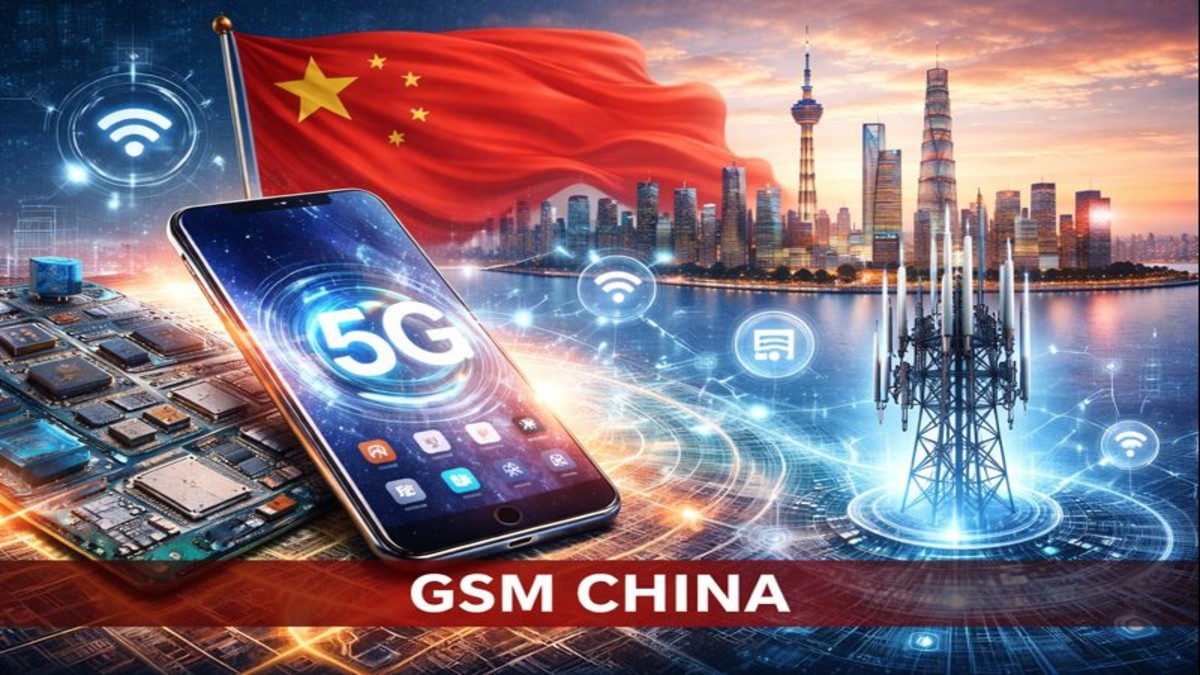
Introduction to GSM China
Let’s start simple. When people talk about GSM China, they’re usually referring to how Global System for Mobile Communications (GSM) technology shaped—and still supports—China’s massive mobile network ecosystem. Think of GSM as the foundation stone of a skyscraper. Even if newer floors like 4G and 5G steal the spotlight, that foundation still matters.
What Does GSM Mean?
GSM stands for Global System for Mobile Communications, a digital mobile network standard that revolutionized voice and SMS communication worldwide. It replaced bulky analog systems with a more reliable, scalable solution.
Why GSM Matters in China
China didn’t just adopt GSM—it scaled it to a level the world had never seen before. With hundreds of millions of users, GSM became the launchpad for China’s mobile boom.
History of GSM Technology in China
Early Mobile Networks in China
Before GSM, mobile communication in China was limited, expensive, and fragmented. Analog systems couldn’t keep up with the country’s exploding population and economic growth.
Adoption of GSM Standards
In the 1990s, China embraced GSM because it was stable, internationally recognized, and future-ready. This decision helped China connect not only internally but also globally.
Role of Government and Regulators
The Chinese government played a huge role by standardizing telecom policies, allocating spectrum, and supporting rapid infrastructure rollout. Without that centralized push, GSM China wouldn’t have grown so fast.
How GSM China Works
Basic GSM Architecture
GSM networks rely on base stations, switching centers, and databases that manage calls and messages. Imagine a carefully choreographed dance where every step ensures your call reaches the right person.
SIM Cards and Subscriber Identity
SIM cards are the heart of GSM. They store your identity, allowing users to switch phones without losing their number—a game-changing idea at the time.
Frequency Bands Used in China
China primarily used the 900 MHz and 1800 MHz bands, ensuring strong coverage even in rural areas.
Major GSM Network Operators in China
China Mobile
China Mobile is the giant of the industry. It built one of the world’s largest GSM networks, serving urban skyscrapers and remote villages alike.
China Unicom
China Unicom also adopted GSM early, focusing on competitive pricing and international compatibility.
China Telecom’s Evolution
While China Telecom leaned toward CDMA initially, it eventually integrated GSM-compatible technologies to stay relevant.
GSM China vs Other Mobile Technologies
GSM vs CDMA
GSM won in China because of SIM flexibility and global compatibility, while CDMA remained more region-specific.
GSM vs 3G, 4G, and 5G
GSM focuses on voice and SMS. Newer technologies handle data-heavy tasks, but GSM still acts as a reliable fallback.
Why GSM Still Exists
Because reliability never goes out of style. GSM networks are stable, cheap to maintain, and perfect for basic communication.
GSM China for International Travelers
Using GSM Phones in China
Most unlocked GSM phones work seamlessly in China, making life easier for tourists and business travelers.
Roaming and Compatibility Issues
While roaming is possible, buying a local SIM is often cheaper and faster.
Buying Local SIM Cards
Local GSM SIMs are widely available at airports and stores—just bring your passport.
GSM China and Mobile Manufacturing
China as a Global Mobile Hub
China isn’t just using GSM—it’s manufacturing GSM devices and components for the world.
GSM Modules and Hardware Production
From feature phones to IoT modules, GSM hardware remains a key export.
GSM China in IoT and M2M Communication
GSM in Smart Devices
Smart meters, alarms, and tracking devices still rely on GSM for low-cost connectivity.
Industrial and Commercial Use Cases
Factories, logistics companies, and utilities love GSM for its simplicity and wide coverage.
Security and Privacy in GSM China
GSM Encryption Basics
GSM introduced digital encryption, a big leap forward from analog systems.
Common Security Concerns
Yes, GSM has vulnerabilities—but so does every technology.
Improvements Over Time
Modern implementations have patched many early weaknesses.
Conclusion
GSM China is like an old but trusted road—maybe not the fastest, but incredibly reliable. While 5G dazzles the headlines, GSM continues to quietly support calls, machines, and millions of users. Its legacy isn’t fading; it’s evolving. Understanding GSM China means understanding the roots of modern mobile communication.
FAQs
1. Is GSM still used in China today?
Yes, mainly for voice calls, SMS, and IoT devices.
2. Can foreign GSM phones work in China?
Most unlocked GSM phones work without issues.
3. Is GSM China being shut down?
Not completely—it’s being gradually reduced but still active.
4. Why do IoT devices still use GSM?
Because it’s cheap, reliable, and widely available.
5. Is GSM secure enough for everyday use?
For basic communication, yes especially with modern updates.

Freelance Jobs for Beginners USA (Start with No Experience)

Side Hustle Ideas from Home USA (No Experience Needed) – Beginner’s Guide

Online Jobs from Home USA (Daily Pay) – Start Earning Instantly

Beton Celular Autoclavizat: The Future of Lightweight, Eco-Friendly Construction

Goblets: A Timeless Symbol of Elegance and Celebration

AI Tools for Making Money Online Free (Best 2026 Guide)

Passive Income Apps USA Free: Earn Money Effortlessly in 2026

How to Earn Money from Home Without Investment

ChatGPT Alternatives Free No Login (2026 Guide)

Everything You Need to Know About Koeas

Ishraq Time in Delhi: What It Is, When It Happens, and Why It Matters
Beton Celular Autoclavizat: The Future of Lightweight, Eco-Friendly Construction

Read OPM Manga Online: Where and How to Enjoy One Punch Man Legally

Technisches Gymnasium: Your Gateway to Engineering and Technology

Why Every Small Business Needs a Digital Marketing Agency
Goblets: A Timeless Symbol of Elegance and Celebration

Gold Shower: Nature’s Cascading Yellow Wonder

The Indian Bow: A Legacy of Precision, Power, and Tradition

Robert Provost: A Life of Leadership, Community, and Vision

Are Political Donations Tax Deductible?
Freelance Jobs for Beginners USA (Start with No Experience)
Side Hustle Ideas from Home USA (No Experience Needed) – Beginner’s Guide
Online Jobs from Home USA (Daily Pay) – Start Earning Instantly
Beton Celular Autoclavizat: The Future of Lightweight, Eco-Friendly Construction
Goblets: A Timeless Symbol of Elegance and Celebration
AI Tools for Making Money Online Free (Best 2026 Guide)
Passive Income Apps USA Free: Earn Money Effortlessly in 2026
How to Earn Money from Home Without Investment
ChatGPT Alternatives Free No Login (2026 Guide)
Everything You Need to Know About Koeas

 entertainment7 months ago
PYT Telegram: A Complete Guide to Understanding, Using, and Maximizing It

 entertainment7 months ago
OnionFlix: Everything You Need to Know About This Streaming Website
- others6 months ago
Nook vs Kindle: Which E-Reader Is Right for You?
- gaming7 months ago
Melisandre: The Enigmatic Priestess of Game of Thrones