
business
How to Start a Pest Control Business: Simple Steps That Win Your First Customers

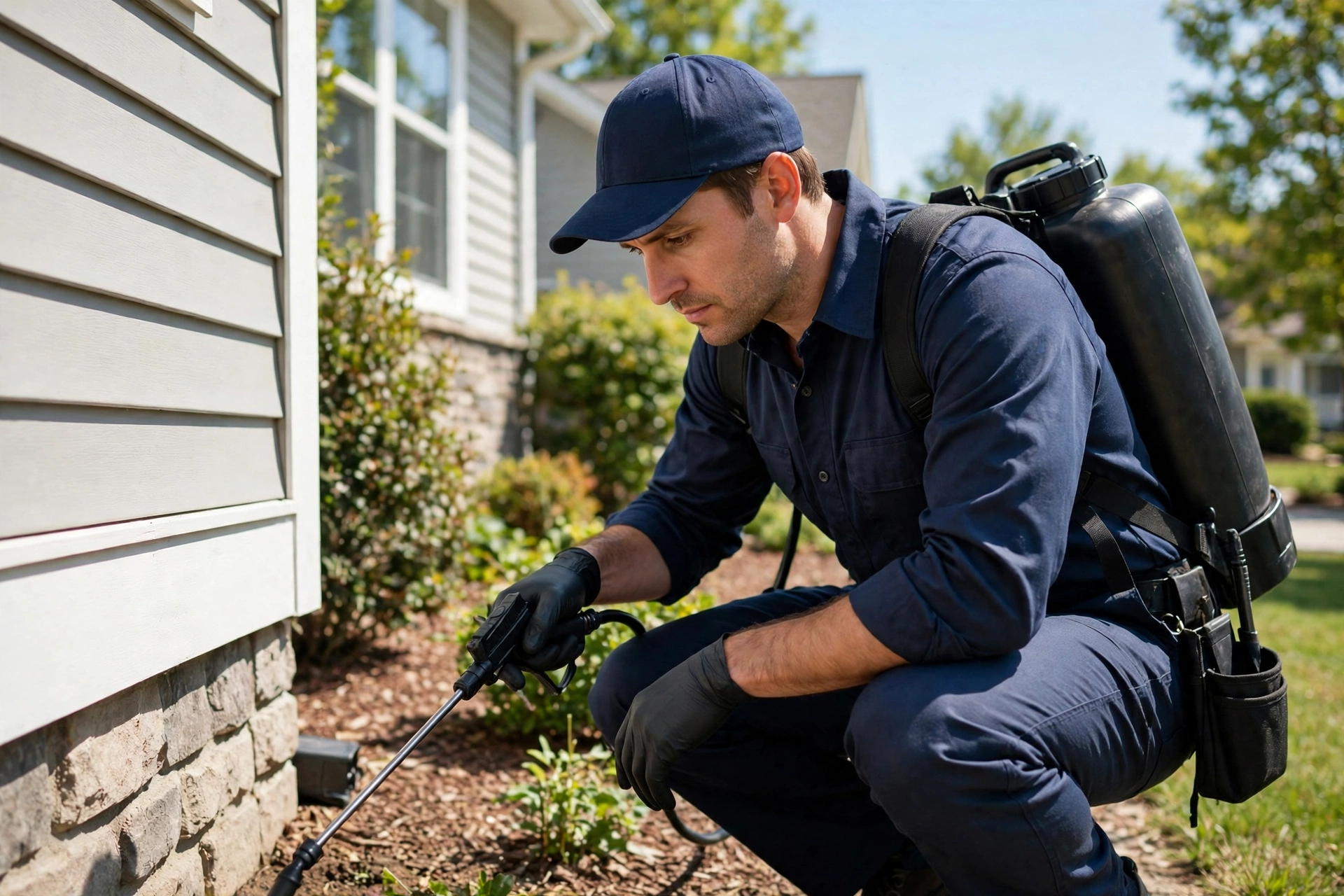
A pest control business is one of the most practical service businesses to start. Every home and workplace deals with unwanted pests at some point, from mice and ants to wasps and cockroaches. If you are looking for steady work that people genuinely need, learning how to start a pest control business is a smart place to begin.
You do not need a shop, a big team, or years of study. You need the right training, reliable kit, and customers who call you back. This guide walks you through the simple steps, one at a time.
What a Pest Control Business Actually Does
A pest control business visits homes and workplaces to find, remove, and prevent pests. The work is hands-on: you inspect a property, find where pests are getting in, treat the problem safely, and show the customer how to stop it coming back.
Most jobs take one to two hours. A small flat with ants might take under an hour. A large house with a mouse problem, or a restaurant that needs a full check, can take half a day. You set your own hours, you choose the jobs you take, and you get paid when the work is done.
Is Pest Control a Good Business to Start?
Yes, for the right person. Demand is steady all year, because pests do not take a holiday. Customers come back for regular visits, and one happy customer often sends you their neighbours. It suits someone who likes practical work, solving problems, and being their own boss.
Before you spend any money, do a little homework. This is where knowing how to do market research for small business really helps: talk to local homeowners, check what other pest controllers in your area charge, and count how many already serve your town. If the area is full of controllers, pick a nearby area with fewer rivals, or offer something extra, like same-week visits or a free inspection.
Step 1: Write a Simple Pest Control Business Plan
Every new business needs a plan, even a short one. A pest control business plan does not have to be a long document. One or two pages are enough if they answer the right questions.
Write down who your customers will be: families, landlords, restaurants, offices, or a mix. Note what you will charge, what your monthly costs will be, and how many jobs you need each week to cover them. Add a simple goal for your first three months, such as twenty regular customers or a set amount of income.
Your plan also helps you decide what to buy first and what can wait. A second sprayer can wait. A good main sprayer cannot. Keep the plan on paper and check it once a month. When the numbers change, update the plan.
Step 2: Learn the Methods and the Rules
Pest control is not just spraying. You need to know how to identify each pest, where it hides, and which treatment is safe and legal for that situation. Learn the difference between sprays, gels, traps, and bait stations, and when each one is the right choice.
Training matters here more than in many trades. Take a short course from a recognised training provider and practise the inspection routine until it feels natural. Many suppliers also run free sessions on safe product use.
Rules matter too. Pest control license requirements vary by country and by area, so check what your country asks before your first paid job. In some places you need a licence to buy or use certain products, and in others you must register with a local authority. Check the rules early, because working without the right permission can end a new business before it starts.
Step 3: Get Your Pest Control Equipment
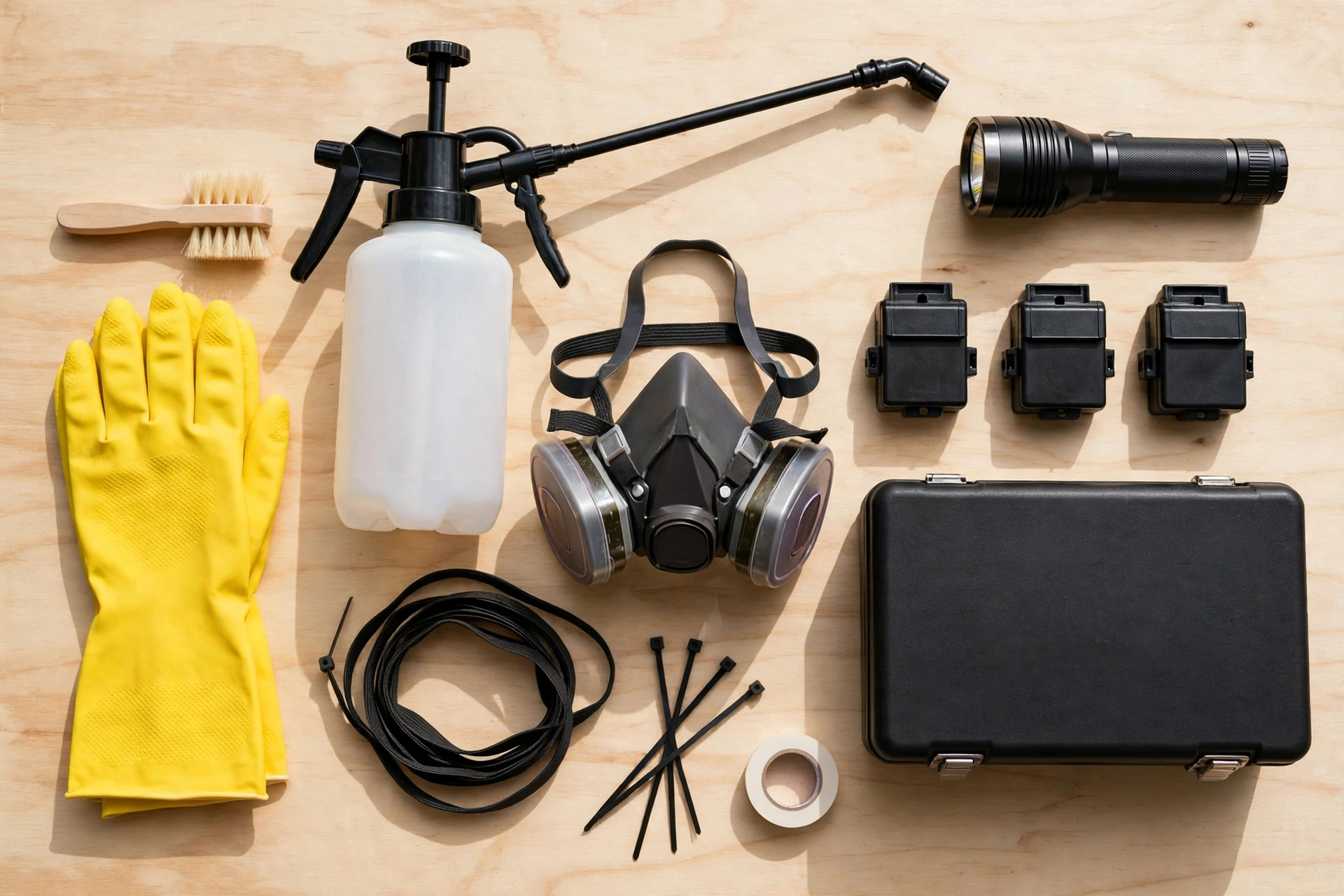
Your kit is the heart of the business, so choose it with care. Pest control equipment ranges from a simple hand sprayer that costs very little to a full van setup with a powered sprayer, a fogging machine, and a stock of traps and bait stations. Most beginners start with a good pump sprayer, a torch, and a solid set of hand tools.
When you compare kit, check the sprayer tank size, how easy it is to carry, and whether spare parts are easy to get. A sprayer that is too heavy will slow you down on stairs, and one that leaks will waste product and look unprofessional.
Do not buy the cheapest kit you can find. Kit that breaks down in a customer’s home costs you the job, the customer, and your reputation. Buy once, buy well, and clean your kit after every job so it lasts for years.
Step 4: Sort Out Pest Control Business Insurance
Insurance is not exciting, but it protects your business. Pest control business insurance usually covers damage to a customer’s home or belongings, and injury to you or someone else while you work. Some policies also cover your kit if it is stolen from your van.
Ask at least two insurers for a quote and compare what each policy covers. Check the excess, which is the amount you pay yourself before the insurer pays. A cheap policy with a huge excess may not help you when something goes wrong.
Keep your insurance papers in the van or on your phone. Some restaurants, hotels, and letting agents will ask to see proof of cover before they let you start work. Having it ready makes you look professional and trustworthy.
Step 5: Set Your Prices
Pricing is where many beginners guess, and guessing costs money. Look at what other controllers charge in your area, then set your prices so you cover your costs and earn a fair wage.
Many controllers charge per visit, with extra for large properties, wasp nests, or follow-up visits. Others offer a yearly plan with regular checks. Pick one method, keep it simple, and print it on your leaflet or website so customers know what to expect.
Do not set your prices too low just to win jobs. Cheap prices attract customers who leave when a cheaper controller appears. Fair prices, good work, and a friendly manner keep customers for years.
Step 6: Pick a Name and Register the Business
Choose a name that is short, easy to say, and easy to remember. Avoid names that are hard to spell or that sound like another local business. Check that the name is free as a web address and on social media before you print it on anything.
Then register the business in the way your country asks. This may be as a sole trader or as a small company. Open a separate bank account for the business so your money stays clear of your personal money. Check what permits and local rules apply in your area before your first paid job.
Step 7: Offer Services Homes and Offices Need
Most of your work will come from family homes, but offices and food businesses are worth chasing too. Commercial pest control is a different kind of job: larger sites, regular visits, and work done early in the morning or late in the evening when the site is quiet.
To win commercial work, visit local restaurants, hotels, and offices, leave a leaflet, and offer a free inspection of one small area. One happy restaurant can give you a booking every month. Schools, care homes, and warehouses are also good customers, and they often pay by invoice rather than cash.
For homes, offer extra help such as proofing work that seals gaps where mice get in, or a quick check between full treatments. Each extra service gives customers a reason to call you first.
Should You Buy a Pest Control Franchise?
A pest control franchise gives you a known name, training, and a ready-made way of working. In return, you pay a joining fee and often a share of your income every month. For some people this is a safe way to start. For others, the fees are too high.
Before you sign anything, compare the total cost over three years with the cost of starting on your own. Talk to people who already run that franchise and ask them honest questions about income and support. A good franchise helps you earn faster. A bad one takes your money and leaves you on your own.
How to Win Your First Customers
Your first customers are the hardest to win, so start close to home. Tell friends, family, and neighbours what you do. Ask them to try your service at a fair price and to tell others if they are happy.
Leaflets through doors still work, especially in areas with family homes. A simple website with your prices, your area, and a phone number helps people find you. Ask every happy customer for a short review and put the best ones on your website.
Local online groups and community boards are also useful. Post a clear offer, answer questions quickly, and always turn up on time. In this trade, being reliable is the best advertising you can buy.
How to Keep Customers Coming Back
Winning a customer once is good. Keeping them is where the money is. Send a friendly reminder when their next visit is due. Offer a small thank-you discount for repeat bookings. Remember details, like the room you treated last time. Small touches make customers feel valued, and valued customers do not look for another controller.
Ask for feedback after each job. If something was not perfect, fix it fast and for free. A customer whose problem you fixed well will trust you more than one who never had a problem at all.
As the bookings grow, you may need help. That is when learning how to pay employees small business matters: set clear pay, keep simple records, and pay on time every time. Good helpers stay when they are treated fairly.
Common Mistakes to Avoid
Do not skip the inspection step. Treating a problem without finding its cause means the pests come back, and the customer loses trust. Do not over-treat either. More product is not better, and it can harm people, pets, and the environment.
Do not promise to remove every pest for good. Some problems need repeat visits, and an honest answer builds trust. Do not forget to look after your own health: wear gloves and a mask, wash up after every job, and take breaks on long days. Your body is your main work tool.
Frequently Asked Questions
Do I need a licence to start a pest control business?
It depends on where you live. Pest control license requirements vary by country and area, and some products can only be bought or used by trained and licensed people. Check your local rules before your first paid job, and take a recognised training course so you can prove you know the safe methods.
How much money do I need to start?
Most beginners start with a modest amount, depending on the kit they buy. A good sprayer, basic tools, safety gear, insurance, and leaflets are the main costs. Start small, earn, and upgrade your kit as the bookings grow.
Do I need training to control pests?
Yes, training is strongly advised, and in many places it is required. A short course teaches you how to identify pests, choose the right treatment, and use products safely. Practise on your own home before you charge anyone.
Can I run this business part-time?
Yes. Many controllers start part-time, doing evening and weekend jobs around another job. Once bookings are steady, they go full-time. Part-time is a safe way to test whether the work suits you.
What is the hardest part of the job?
The first months. The treatments themselves are easy to learn. The harder part is steady marketing, reliable bookings, and building a name that people trust. Once regular customers and repeat visits build up, the work becomes much steadier.
Conclusion
Starting a pest control business takes modest money, practical skills, and a willingness to work hard. Write a short plan, learn the safe methods, buy good kit, sort out your insurance, set fair prices, and treat every customer as if they will book you again. Learn how to start a pest control business the steady way, one good job at a time, and the business will grow with you.

How to Start a Pest Control Business: Simple Steps That Win Your First Customers

How to Start a Carpet Cleaning Business: Simple Steps

How to Start a Gutter Cleaning Business: Simple Steps That Turn Your Ladder Into Income

How to Start a House Painting Business: Simple Steps That Turn Your Painting Skills Into Income

How to Start a Window Cleaning Business: Simple Steps That Turn Your Skills Into Income

How to Start a Pet Grooming Business: Simple Steps That Turn Your Love of Animals Into Income

How to Start a Car Detailing Business: Simple Steps That Turn Your Skills Into Income

How to Start a Pressure Washing Business: A Simple Guide That Gets You Your First Customers

How to Start a Lawn Mowing Business: Simple Steps That Turn Mowing Into Income

How to Start a Dog Walking Business: Simple Steps That Turn Walks Into Income

How to Repurpose Blog Content for Social Media Without Starting From Scratch

How to Write a Simple Business Plan for Your Small Business: A Practical Guide That Gets You Started

How to Create a Small Business Content Marketing Plan That Actually Gets Results
How to Handle Customer Complaints in a Small Business: A Calm, Practical Guide That Turns Problems Into Loyalty

How to Get More Clients for Your Business: Simple Ways That Actually Work
How to Create a Content Calendar for a Small Business

How to Write a Professional Business Email That Gets a Reply
How to Set Up a Simple Referral Program for Your Small Business: A Beginner’s Guide That Brings in New Customers

How to Set SMART Goals for a Small Business: A Practical Guide That Actually Works

Branding Tips for Small Businesses: A Simple Guide That Makes You Memorable
How to Start a Pest Control Business: Simple Steps That Win Your First Customers
How to Start a Carpet Cleaning Business: Simple Steps
How to Start a Gutter Cleaning Business: Simple Steps That Turn Your Ladder Into Income
How to Start a House Painting Business: Simple Steps That Turn Your Painting Skills Into Income
How to Start a Window Cleaning Business: Simple Steps That Turn Your Skills Into Income
How to Start a Pet Grooming Business: Simple Steps That Turn Your Love of Animals Into Income
How to Start a Car Detailing Business: Simple Steps That Turn Your Skills Into Income
How to Start a Pressure Washing Business: A Simple Guide That Gets You Your First Customers
How to Start a Lawn Mowing Business: Simple Steps That Turn Mowing Into Income
How to Start a Dog Walking Business: Simple Steps That Turn Walks Into Income

 entertainment1 year ago
PYT Telegram: A Complete Guide to Understanding, Using, and Maximizing It

 entertainment1 year ago
OnionFlix: Everything You Need to Know About This Streaming Website
- education1 year ago
How to Become a Software Engineer: A Complete Guide
- others1 year ago
Nook vs Kindle: Which E-Reader Is Right for You?





