others
Incentivization – Meaning, Types, Benefits, and Real-World Applications

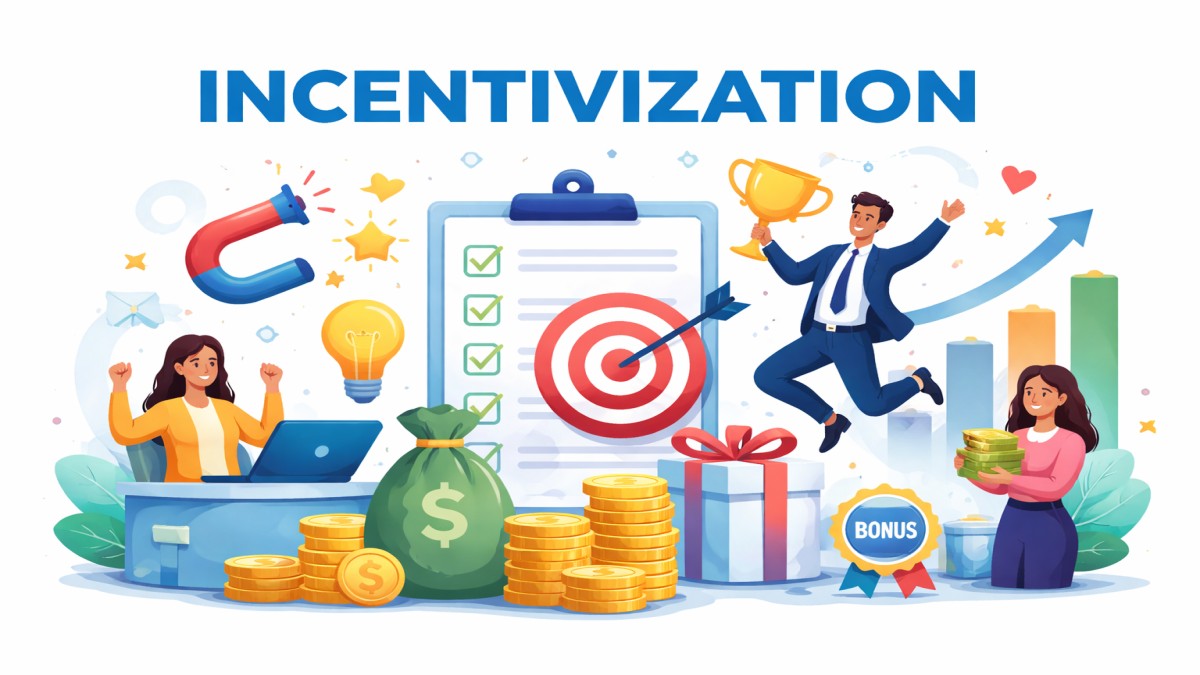
What Is Incentivization?
Incentivization is the practice of motivating people to take specific actions by offering rewards or benefits. Think of it as a gentle nudge rather than a push. Instead of forcing behavior, incentivization makes the desired action attractive.
At its core, incentivization taps into human nature. We’re naturally drawn to rewards, whether that’s money, recognition, or a sense of achievement. Over time, this concept has evolved from simple barter rewards to sophisticated systems used by businesses, governments, and institutions.
Why Incentivization Matters
Human behavior is deeply tied to motivation. Incentivization works because it aligns individual interests with organizational or societal goals. Unlike strict rules or commands, incentives feel voluntary. People act because they want to, not because they have to.
Imagine trying to get people to exercise. A rule won’t help much, but offering insurance discounts or rewards for healthy habits suddenly makes the idea appealing. That’s incentivization in action.
Types of Incentivization
Financial Incentivization
Money is the most obvious incentive.
Bonuses and Commissions:
Used widely in sales and corporate roles, bonuses reward performance beyond basic expectations.
Discounts and Cashback:
Businesses use these to encourage purchases and customer loyalty.
Non-Financial Incentivization
Not all motivation comes from money.
Recognition and Rewards:
Public praise, certificates, or awards can be powerful motivators.
Career Growth Opportunities:
Promotions, skill development, and leadership roles often motivate more than cash.
Intrinsic vs. Extrinsic Incentives
Extrinsic incentives are external rewards like money or gifts. Intrinsic incentives come from internal satisfaction—pride, enjoyment, or personal growth. The most effective systems balance both.
Incentivization in Business
Businesses rely heavily on incentivization to drive results.
Employee Incentive Programs:
Performance bonuses, flexible work options, and recognition programs keep employees engaged.
Sales and Marketing Incentives:
Referral bonuses, affiliate commissions, and seasonal promotions boost revenue.
Customer Loyalty Programs:
Points, rewards, and exclusive perks encourage repeat business.
Incentivization in Education
In education, incentives can spark curiosity and effort.
Student Motivation:
Scholarships, grades, and awards motivate students to perform better.
Teacher Performance Incentives:
Bonuses and recognition encourage innovation and teaching excellence.
Incentivization in Healthcare
Healthcare systems use incentives to promote better outcomes.
Encouraging Healthy Behavior:
Rewards for quitting smoking or maintaining fitness goals improve public health.
Performance-Based Healthcare Models:
Doctors and hospitals are incentivized based on patient outcomes rather than volume.
Incentivization in Government and Public Policy
Governments use incentives to guide social behavior.
Tax Incentives:
Tax breaks encourage investments, renewable energy use, and small business growth.
Social and Environmental Incentives:
Subsidies for electric vehicles or recycling programs push sustainable habits.
Advantages of Incentivization
When done right, incentivization delivers impressive benefits.
Improved Performance:
People work harder when rewards align with goals.
Higher Engagement and Satisfaction:
Feeling rewarded boosts morale and commitment.
Disadvantages and Risks
Incentivization isn’t flawless.
Over-Reliance on Rewards:
Too many incentives can reduce intrinsic motivation.
Unintended Consequences:
Poorly designed incentives may encourage shortcuts or unethical behavior.
How to Design Effective Incentive Programs
Strong incentive systems don’t happen by accident.
Clear Goals and Metrics:
Participants must understand what actions are rewarded.
Fairness and Transparency:
Perceived fairness builds trust and long-term engagement.
Long-Term Sustainability:
Incentives should evolve without becoming too costly or predictable.
Real-Life Examples of Incentivization
From referral bonuses at tech companies to fitness app rewards, incentivization is everywhere. Even everyday parenting uses incentives—think of allowances for chores or praise for good behavior.
The Future of Incentivization
Technology is reshaping incentives. AI-driven personalization, gamification, and digital rewards are making incentivization smarter and more engaging than ever.
Conclusion
Incentivization is a powerful tool that shapes behavior across business, education, healthcare, and society. When thoughtfully designed, it aligns motivation with meaningful goals. Like fuel in an engine, the right incentive keeps progress moving smoothly—too little stalls growth, too much causes burnout. Balance is everything.
FAQs
1. What is incentivization in simple terms?
It’s motivating people to act by offering rewards or benefits.
2. Are financial incentives always the best option?
No. Non-financial incentives like recognition can be just as effective.
3. Can incentivization have negative effects?
Yes, if poorly designed, it can reduce intrinsic motivation or encourage misuse.
4. Where is incentivization most commonly used?
In business, education, healthcare, and government policies.
5. How can incentives be made more effective?
By aligning them with clear goals, fairness, and long-term value.

Dobutamine: Uses, Mechanism, Dosage, and Side Effects
Nopdle Magazine: Redefining Creative Culture Through Curated Innovation

Shop Easter Basket: The Ultimate Guide to Perfect Easter Gifts

Best Apps to Make Money Online USA (2026 Guide)

How to Start Affiliate Marketing with No Money

Freelance Jobs for Beginners USA (Start with No Experience)

Side Hustle Ideas from Home USA (No Experience Needed) – Beginner’s Guide

Online Jobs from Home USA (Daily Pay) – Start Earning Instantly

Beton Celular Autoclavizat: The Future of Lightweight, Eco-Friendly Construction

Goblets: A Timeless Symbol of Elegance and Celebration
Dobutamine: Uses, Mechanism, Dosage, and Side Effects

Ishraq Time in Delhi: What It Is, When It Happens, and Why It Matters
Beton Celular Autoclavizat: The Future of Lightweight, Eco-Friendly Construction

Read OPM Manga Online: Where and How to Enjoy One Punch Man Legally

Technisches Gymnasium: Your Gateway to Engineering and Technology
Why Every Small Business Needs a Digital Marketing Agency
Goblets: A Timeless Symbol of Elegance and Celebration
Nopdle Magazine: Redefining Creative Culture Through Curated Innovation

Gold Shower: Nature’s Cascading Yellow Wonder

The Indian Bow: A Legacy of Precision, Power, and Tradition
Dobutamine: Uses, Mechanism, Dosage, and Side Effects
Nopdle Magazine: Redefining Creative Culture Through Curated Innovation
Shop Easter Basket: The Ultimate Guide to Perfect Easter Gifts
Best Apps to Make Money Online USA (2026 Guide)
How to Start Affiliate Marketing with No Money
Freelance Jobs for Beginners USA (Start with No Experience)
Side Hustle Ideas from Home USA (No Experience Needed) – Beginner’s Guide
Online Jobs from Home USA (Daily Pay) – Start Earning Instantly
Beton Celular Autoclavizat: The Future of Lightweight, Eco-Friendly Construction
Goblets: A Timeless Symbol of Elegance and Celebration

 entertainment7 months ago
PYT Telegram: A Complete Guide to Understanding, Using, and Maximizing It

 entertainment7 months ago
OnionFlix: Everything You Need to Know About This Streaming Website
- others6 months ago
Nook vs Kindle: Which E-Reader Is Right for You?
- gaming7 months ago
Melisandre: The Enigmatic Priestess of Game of Thrones