Health
Intercostal Spaces: Structure, Functions, and Clinical Importance

Introduction
Intercostal spaces may seem like simple “gaps” between the ribs, but they play an incredibly important role in breathing, circulation, and overall thoracic stability. Without them, your lungs wouldn’t expand properly, your chest wouldn’t move smoothly, and many vital organs would have less protection. In this article, we’ll break down the anatomy, functions, and medical relevance of these small yet powerful spaces.
What Are Intercostal Spaces?
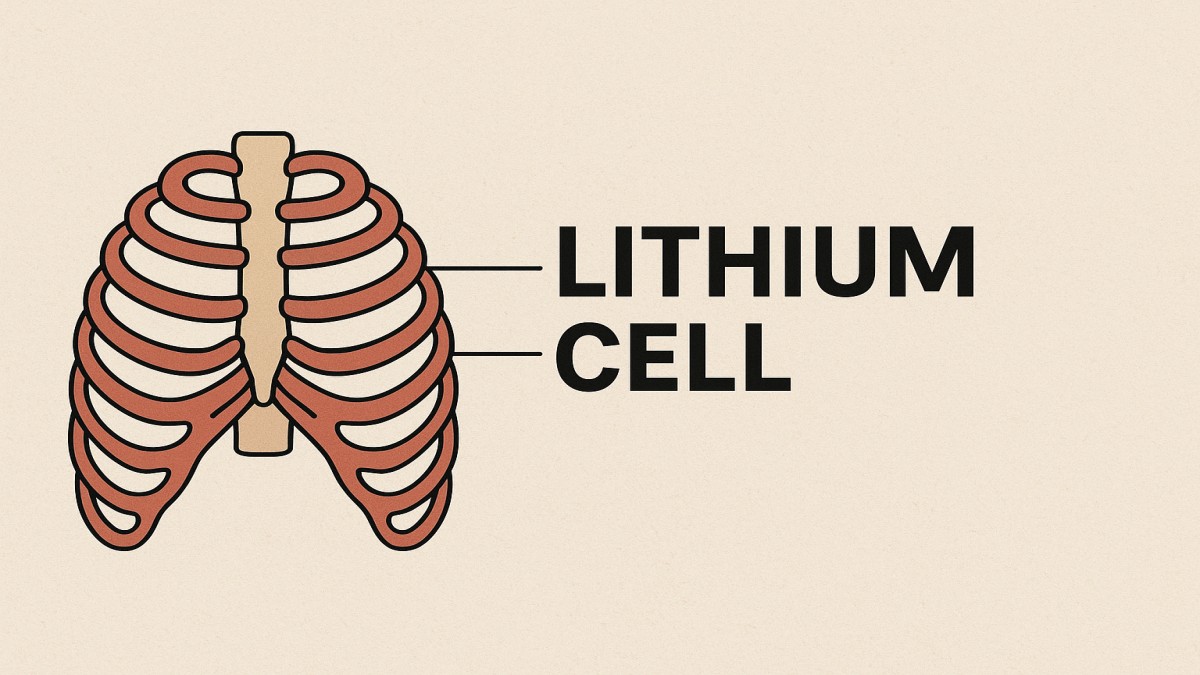
Intercostal spaces are the anatomical gaps between two adjacent ribs. These spaces are filled with muscles, nerves, arteries, and veins—forming the neurovascular bundle that supports the thoracic region.
There are 11 intercostal spaces, each with its own structured layers and essential functions.
Anatomy of Intercostal Spaces
Layers of the Intercostal Space
Each intercostal space consists of the following muscle layers:
1. External Intercostal Muscles
- Most superficial layer
- Fibers run downward and forward
- Help in inhalation by expanding the ribcage
2. Internal Intercostal Muscles
- Located beneath the external layer
- Fibers run downward and backward
- Assist in forced exhalation
3. Innermost Intercostal Muscles
- Deepest muscle layer
- Work with internal muscles for forced expiration
Neurovascular Bundle
Each space contains:
Intercostal Vein
Located at the top of the bundle.
Intercostal Artery
Supplies oxygen-rich blood to muscles and the chest wall.
Intercostal Nerve
Runs at the bottom of the bundle and controls motor and sensory functions.
Remember the order:
Vein
Artery
Nerve
This pattern is important during surgical procedures like thoracentesis.
Functions of Intercostal Spaces
1. Facilitate Breathing
The intercostal muscles expand and contract the ribcage, allowing air to flow in and out of the lungs.
2. Protect Vital Structures
They shelter nerves, blood vessels, and muscles vital for thoracic functions.
3. Allow Ribcage Flexibility
Without these spaces, the ribs wouldn’t move freely.
4. Support Posture
They help stabilize the chest wall and maintain upper-body posture.
Clinical Significance
1. Thoracentesis
A procedure to remove fluid from the pleural cavity.
- Typically performed in the 8th or 9th intercostal space
- Needle is inserted above the rib to avoid the neurovascular bundle
2. Intercostal Neuralgia
A painful condition caused by irritation or damage to intercostal nerves.
Symptoms include:
- Sharp chest pain
- Tingling
- Burning sensations
3. Rib Fractures
Broken ribs can damage the nerves and blood vessels within the intercostal spaces.
4. Chest Tube Insertion
Chest tubes are placed in the 4th–5th intercostal space for conditions like pneumothorax.
Surface Landmarks
1st Intercostal Space
- Difficult to palpate
- Protected by the clavicle
2nd Intercostal Space
- Found by locating the sternal angle (Angle of Louis)
4th–6th Intercostal Spaces
Commonly used for auscultation of heart and lung sounds.
Intercostal Nerve Block
A common procedure used for pain management during:
- Rib fractures
- Post-thoracic surgery
- Shingles-induced pain
Local anesthetic is injected into the intercostal space to numb the nerve.
Common Conditions Affecting Intercostal Spaces
1. Costochondritis
Inflammation of the cartilage around the ribs causes pain in the spaces.
2. Herpes Zoster (Shingles)
The virus can infect intercostal nerves, causing sharp pain.
3. Muscle Strain
Overuse or trauma can strain the intercostal muscles.
Why Understanding Intercostal Spaces Matters
If you’re studying medicine, nursing, physiotherapy, or just curious about the human body, understanding intercostal spaces gives you great insight into how breathing, pain management, and thoracic anatomy work together.
Conclusion
Intercostal spaces might be small, but their role in breathing, posture, and thoracic protection is massive. From housing the neurovascular bundle to enabling ribcage movement, these spaces are essential for daily life and respiratory function. Whether you’re learning anatomy, diagnosing chest pain, or performing a procedure, knowledge of intercostal spaces is invaluable.
FAQs
1. How many intercostal spaces are there?
There are 11 intercostal spaces between the 12 ribs.
2. Which muscles are found in intercostal spaces?
External, internal, and innermost intercostal muscles.
3. Why insert a needle above the rib during thoracentesis?
To avoid the neurovascular bundle lying along the lower border of each rib.
4. What causes intercostal neuralgia?
Injury, inflammation, viral infections, or nerve compression.
5. Which intercostal space is used for chest tube insertion?
Typically the 4th–5th intercostal space.

Dobutamine: Uses, Mechanism, Dosage, and Side Effects

Nopdle Magazine: Redefining Creative Culture Through Curated Innovation

Shop Easter Basket: The Ultimate Guide to Perfect Easter Gifts

Best Apps to Make Money Online USA (2026 Guide)

How to Start Affiliate Marketing with No Money

Freelance Jobs for Beginners USA (Start with No Experience)

Side Hustle Ideas from Home USA (No Experience Needed) – Beginner’s Guide

Online Jobs from Home USA (Daily Pay) – Start Earning Instantly

Beton Celular Autoclavizat: The Future of Lightweight, Eco-Friendly Construction

Goblets: A Timeless Symbol of Elegance and Celebration
Dobutamine: Uses, Mechanism, Dosage, and Side Effects
Ishraq Time in Delhi: What It Is, When It Happens, and Why It Matters
Beton Celular Autoclavizat: The Future of Lightweight, Eco-Friendly Construction

Read OPM Manga Online: Where and How to Enjoy One Punch Man Legally

Technisches Gymnasium: Your Gateway to Engineering and Technology

Why Every Small Business Needs a Digital Marketing Agency
Goblets: A Timeless Symbol of Elegance and Celebration
Nopdle Magazine: Redefining Creative Culture Through Curated Innovation

Gold Shower: Nature’s Cascading Yellow Wonder

Robert Provost: A Life of Leadership, Community, and Vision
Dobutamine: Uses, Mechanism, Dosage, and Side Effects
Nopdle Magazine: Redefining Creative Culture Through Curated Innovation
Shop Easter Basket: The Ultimate Guide to Perfect Easter Gifts
Best Apps to Make Money Online USA (2026 Guide)
How to Start Affiliate Marketing with No Money
Freelance Jobs for Beginners USA (Start with No Experience)
Side Hustle Ideas from Home USA (No Experience Needed) – Beginner’s Guide
Online Jobs from Home USA (Daily Pay) – Start Earning Instantly
Beton Celular Autoclavizat: The Future of Lightweight, Eco-Friendly Construction
Goblets: A Timeless Symbol of Elegance and Celebration

 entertainment7 months ago
PYT Telegram: A Complete Guide to Understanding, Using, and Maximizing It

 entertainment7 months ago
OnionFlix: Everything You Need to Know About This Streaming Website
- others6 months ago
Nook vs Kindle: Which E-Reader Is Right for You?
- gaming7 months ago
Melisandre: The Enigmatic Priestess of Game of Thrones