food
Lotus Seed – Benefits, Nutrition, Uses, and More

Introduction to Lotus Seeds
What Are Lotus Seeds?
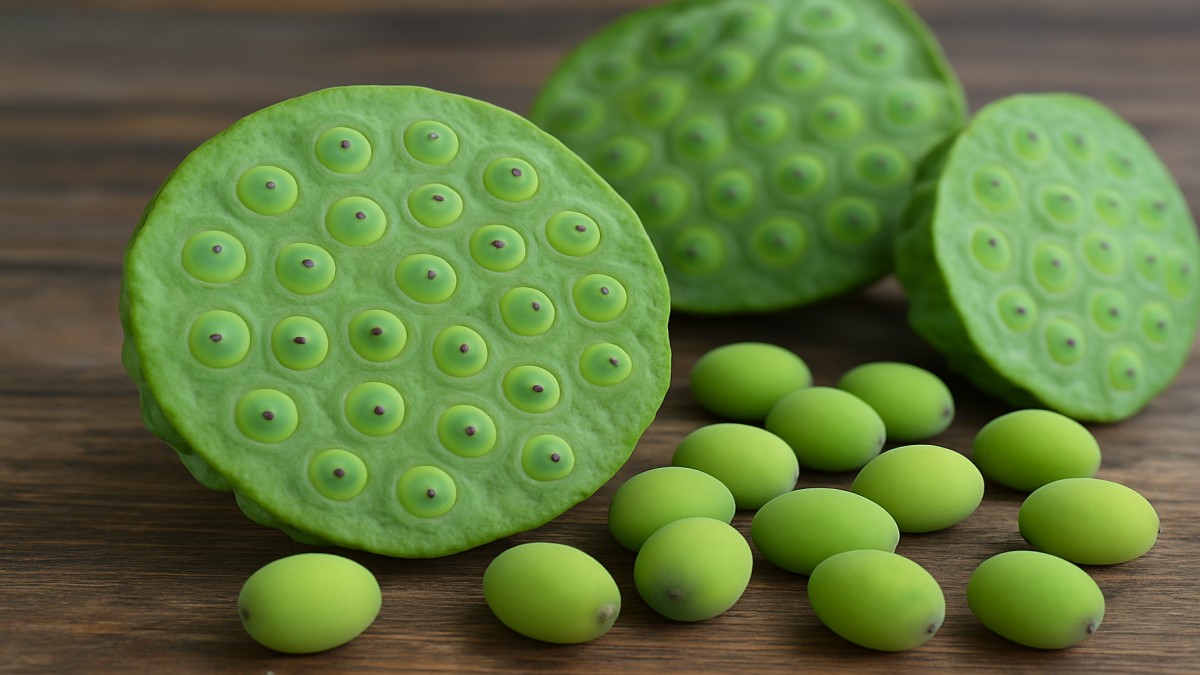
Lotus seeds, also known as makhana or fox nuts, come from the lotus flower an aquatic plant cherished for its beauty and symbolism. These small, round seeds are packed with nutrients and have been used for centuries in Asian cultures for food, medicine, and religious rituals.
History and Cultural Significance
From ancient temples to royal kitchens, lotus seeds have always held a special place in Asian tradition. In China, they symbolize fertility and purity; in India, they are linked with spirituality and longevity. Their use dates back thousands of years, making them one of nature’s oldest superfoods.
Nutritional Profile of Lotus Seeds
Macronutrients
Lotus seeds are rich in protein, complex carbohydrates, and healthy fats, making them a balanced snack option. They’re especially popular among vegetarians seeking plant-based protein.
Vitamins and Minerals
These tiny seeds contain:
- Magnesium
- Potassium
- Phosphorus
- Calcium
- Vitamin B complexes
This nutrient combination supports overall wellness, from bone strength to energy production.
Antioxidant Content
Lotus seeds contain kaempferol, a natural flavonoid with anti-inflammatory properties. Their antioxidants help combat oxidative stress, slowing down aging and reducing disease risk.
Health Benefits of Lotus Seeds
Supports Heart Health
Rich in magnesium and low in sodium, lotus seeds help maintain healthy blood pressure. Their antioxidants also support arterial health.
Boosts Digestive System
The high fiber content helps regulate bowel movements, reduce bloating, and support a healthy gut environment.
Helps Manage Weight
Because they’re low in calories and high in protein, lotus seeds promote satiety. They keep hunger at bay, making them an ideal snack for weight management.
Enhances Sleep Quality
Lotus seeds contain natural calming compounds that support better sleep and reduce anxiety. Many traditional medicines use them to treat restless mind and insomnia.
Anti-Aging Benefits
With powerful antioxidants, lotus seeds help protect the skin from aging. They may reduce wrinkles, fine lines, and other signs of premature aging.
Supports Blood Sugar Control
Their low glycemic index makes lotus seeds a smart choice for diabetics. They help maintain stable blood sugar levels and reduce cravings.
Culinary Uses of Lotus Seeds
Raw and Roasted Snacks
Roasted lotus seeds are crunchy, delicious, and often seasoned with salt, pepper, or herbs. They’re a healthier alternative to popcorn or chips.
Soups, Curries, and Desserts
Lotus seeds can thicken soups, add creaminess to curries, and enhance desserts like kheer and puddings.
Lotus Seed Flour
This gluten-free flour is used for baking biscuits, pancakes, and traditional sweets. It’s especially popular in fasting-friendly dishes.
Medicinal and Traditional Uses
Ayurvedic Uses
In Ayurveda, lotus seeds balance the Vata and Pitta doshas. They’re used to improve kidney health, strengthen the heart, and enhance fertility.
Traditional Chinese Medicine Applications
Chinese medicine uses lotus seeds to support:
- Kidney function
- Spleen health
- Reproductive wellness
- Emotional balance
Their calming properties are especially valued for anxiety and insomnia relief.
How to Choose and Store Lotus Seeds
Quality Indicators
Choose seeds that are:
- White or light cream in color
- Crisp and dry
- Free from dark spots or moisture
Proper Storage Techniques
Store them in airtight containers, preferably in a cool and dry place. Roasted seeds stay crisp for weeks if stored properly.
Potential Side Effects
Allergies
While rare, some individuals may experience mild allergic reactions. Always start with a small amount if trying for the first time.
Overconsumption Concerns
Too many lotus seeds can cause constipation due to their high tannin content. Moderation is key.
How to Add Lotus Seeds to Your Diet
Easy Recipes
- Roast with ghee and spices
- Add to morning porridge
- Stir into curries
- Blend into soups
- Use as topping for salads
Daily Recommended Intake
Around 30–50 grams per day is ideal for adults.
Conclusion
Lotus seeds are more than just a traditional snack—they’re a powerhouse of nutrients offering benefits for heart health, digestion, skin, weight management, and emotional wellbeing. Whether roasted, cooked, or ground into flour, they’re a versatile ingredient worth adding to your daily routine.
FAQs
1. Are lotus seeds good for weight loss?
Yes, their low-calorie and high-protein content makes them ideal for controlling hunger.
2. Can diabetics eat lotus seeds?
Absolutely—lotus seeds have a low glycemic index and help maintain stable blood sugar.
3. What do lotus seeds taste like?
They have a mild, nutty, slightly sweet flavor.
4. Are lotus seeds gluten-free?
Yes, they’re naturally gluten-free and safe for people with gluten intolerance.
5. How long do roasted lotus seeds stay fresh?
If stored properly in an airtight container, they can last up to 2–3 weeks.

Freelance Jobs for Beginners USA (Start with No Experience)

Side Hustle Ideas from Home USA (No Experience Needed) – Beginner’s Guide

Online Jobs from Home USA (Daily Pay) – Start Earning Instantly

Beton Celular Autoclavizat: The Future of Lightweight, Eco-Friendly Construction

Goblets: A Timeless Symbol of Elegance and Celebration

AI Tools for Making Money Online Free (Best 2026 Guide)

Passive Income Apps USA Free: Earn Money Effortlessly in 2026

How to Earn Money from Home Without Investment

ChatGPT Alternatives Free No Login (2026 Guide)

Everything You Need to Know About Koeas

Ishraq Time in Delhi: What It Is, When It Happens, and Why It Matters
Beton Celular Autoclavizat: The Future of Lightweight, Eco-Friendly Construction

Read OPM Manga Online: Where and How to Enjoy One Punch Man Legally

Technisches Gymnasium: Your Gateway to Engineering and Technology

Why Every Small Business Needs a Digital Marketing Agency
Goblets: A Timeless Symbol of Elegance and Celebration

Gold Shower: Nature’s Cascading Yellow Wonder

The Indian Bow: A Legacy of Precision, Power, and Tradition

Robert Provost: A Life of Leadership, Community, and Vision

Are Political Donations Tax Deductible?
Freelance Jobs for Beginners USA (Start with No Experience)
Side Hustle Ideas from Home USA (No Experience Needed) – Beginner’s Guide
Online Jobs from Home USA (Daily Pay) – Start Earning Instantly
Beton Celular Autoclavizat: The Future of Lightweight, Eco-Friendly Construction
Goblets: A Timeless Symbol of Elegance and Celebration
AI Tools for Making Money Online Free (Best 2026 Guide)
Passive Income Apps USA Free: Earn Money Effortlessly in 2026
How to Earn Money from Home Without Investment
ChatGPT Alternatives Free No Login (2026 Guide)
Everything You Need to Know About Koeas

 entertainment7 months ago
PYT Telegram: A Complete Guide to Understanding, Using, and Maximizing It

 entertainment7 months ago
OnionFlix: Everything You Need to Know About This Streaming Website
- others6 months ago
Nook vs Kindle: Which E-Reader Is Right for You?
- gaming7 months ago
Melisandre: The Enigmatic Priestess of Game of Thrones