others
Muicle Planta: Uses, Benefits, Preparation, and Cultural Significance

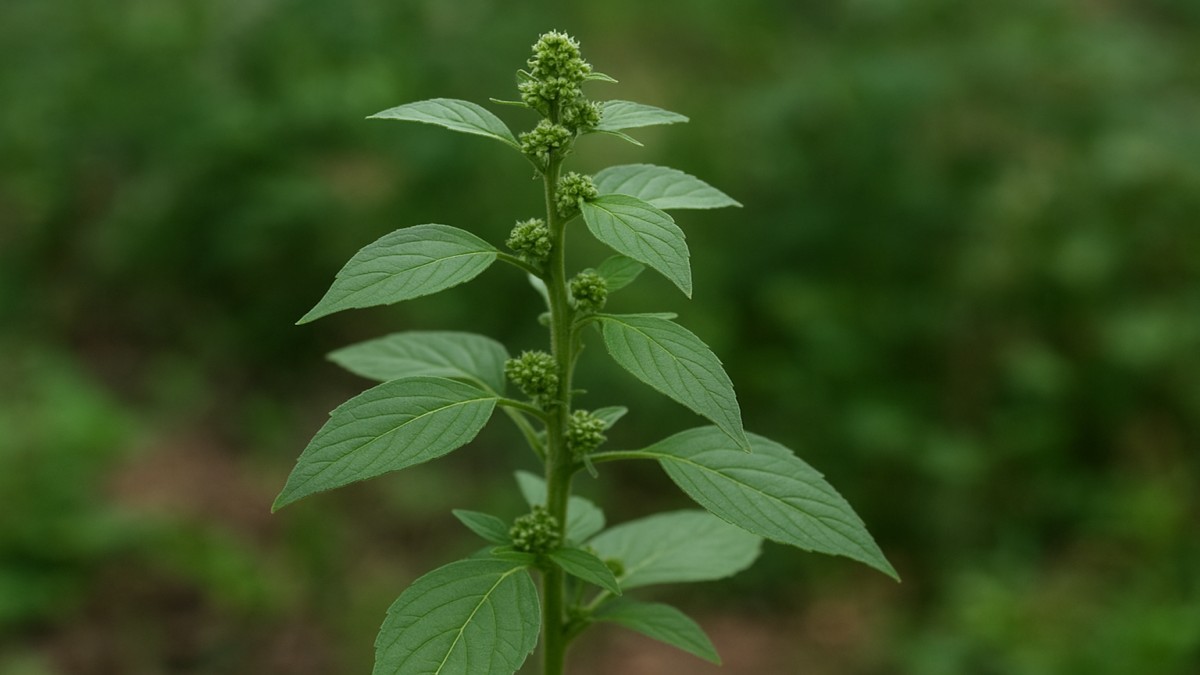
Muicle Planta. Muicle (Justicia spicigera), also known as Mexican honeysuckle, hierba de la Virgen, mújica, or palo de indio, is a traditional medicinal plant widely used in Mexico and Central America. Known for its vibrant orange flowers, deep green leaves, and its ability to produce a natural blue dye, muicle has been part of indigenous herbal medicine for centuries.
This article explores its uses, health benefits, preparation methods, and cultural importance, helping you understand why this plant remains popular today.
What Is Muicle?
Muicle is a perennial shrub belonging to the Acanthaceae family. It grows mainly in:
- Mexico
- Guatemala
- El Salvador
- Costa Rica
It thrives in warm climates and is often found in gardens because of its attractive flowers and low maintenance needs.
Traditional Uses of Muicle
Muicle has been used in traditional medicine for generations. Indigenous communities, especially the Aztecs and Mayans, prepared it as a tea, infusion, or natural dye.
1. Digestive Support
Muicle tea is commonly used to relieve:
- Stomach pain
- Bloating
- Diarrhea
- Indigestion
Its mild antibacterial effects help soothe the digestive tract.
2. Blood Cleansing
In Mexican herbalism, muicle is considered a “blood purifier.” It is often used for:
- Detoxification
- Improving circulation
- Supporting overall vitality
Some people believe it helps improve anemia because it promotes better blood quality.
3. Respiratory Relief
Muicle is also used to help with:
- Cough
- Bronchitis
- Mild asthma
- Sore throat
The plant contains natural anti-inflammatory compounds that help open airways and reduce irritation.
4. Menstrual Regulation
Many women use muicle tea to:
- Relieve menstrual cramps
- Regulate irregular periods
- Reduce PMS symptoms
Its relaxing properties calm uterine tension.
5. Skin Health
Because of its mild antibacterial and antioxidant qualities, muicle is sometimes used as:
- a wash for skin irritations
- a natural remedy for wounds
- a compress for rashes or insect bites
Nutritional and Chemical Components
Muicle contains several beneficial compounds, including:
- Flavonoids (antioxidants)
- Tannins
- Anthocyanins (natural pigments)
- Essential oils
- Vitamins A and C
These components contribute to its medicinal value, especially its antioxidant effects.
How to Prepare Muicle
1. Muicle Tea (Traditional Method)
Ingredients:
- 1–2 teaspoons of dried muicle leaves or flowers
- 1 cup hot water
Steps:
- Add the leaves to hot water.
- Let it steep for 10–15 minutes.
- Strain and drink warm.
The tea often turns a reddish or purplish color, which is normal.
2. Muicle Decoction (Stronger Preparation)
Used for respiratory or menstrual support.
Steps:
- Boil a handful of fresh leaves in 2–3 cups of water.
- Simmer for 10–15 minutes.
- Cool, strain, and drink.
3. Muicle for Natural Dye
Muicle is famous for producing different colors depending on pH.
- In water, it makes blue or purple dye.
- With lime or lemon juice, it produces pink or red tones.
This dye is used in textiles, crafts, and school projects.
Potential Health Benefits
1. Antioxidant Protection
Muicle is rich in flavonoids and anthocyanins, which help protect cells from oxidative damage and aging.
2. Anti-Inflammatory Effects
People use it to relieve inflammation, especially in:
- joints
- respiratory system
- digestive tract
3. Antimicrobial Properties
It has mild antibacterial effects, which may help with infections of the stomach or skin.
4. Blood Sugar Support
Some preliminary studies suggest muicle may help regulate blood sugar levels, making it potentially beneficial for people with prediabetes. However, more research is needed.
5. Improved Circulation
Traditional healers often recommend muicle to enhance blood flow and energy levels.
Conclusion
Muicle (Justicia spicigera) remains one of the most cherished herbal plants in Mexican traditional medicine. With its bright flowers, natural dyeing power, and wide range of healing uses—from digestion and circulation to skin health and respiratory relief—it continues to be valued today.
While research is still developing, many communities rely on muicle as a natural, accessible remedy. Whether you’re interested in herbal medicine, cultural traditions, or growing useful plants at home, muicle is an excellent plant to explore.
FAQs About Muicle Planta
1. What does muicle taste like?
It has a mild, earthy, slightly sweet herbal flavor.
2. Can children drink muicle tea?
It’s best to consult a doctor before giving herbal tea to children.
3. How often can I drink muicle tea?
Most people take it 2–3 times per week, depending on their needs.
4. Can muicle help with anxiety or stress?
Some users say it helps them relax, but it is not a proven treatment for anxiety.
5. Is muicle the same as Mexican honeysuckle?
Yes, muicle is commonly called Mexican honeysuckle because of its attractive orange flowers.

Dobutamine: Uses, Mechanism, Dosage, and Side Effects

Nopdle Magazine: Redefining Creative Culture Through Curated Innovation

Shop Easter Basket: The Ultimate Guide to Perfect Easter Gifts

Best Apps to Make Money Online USA (2026 Guide)

How to Start Affiliate Marketing with No Money

Freelance Jobs for Beginners USA (Start with No Experience)

Side Hustle Ideas from Home USA (No Experience Needed) – Beginner’s Guide

Online Jobs from Home USA (Daily Pay) – Start Earning Instantly

Beton Celular Autoclavizat: The Future of Lightweight, Eco-Friendly Construction

Goblets: A Timeless Symbol of Elegance and Celebration
Dobutamine: Uses, Mechanism, Dosage, and Side Effects

Ishraq Time in Delhi: What It Is, When It Happens, and Why It Matters
Beton Celular Autoclavizat: The Future of Lightweight, Eco-Friendly Construction

Read OPM Manga Online: Where and How to Enjoy One Punch Man Legally

Technisches Gymnasium: Your Gateway to Engineering and Technology

Why Every Small Business Needs a Digital Marketing Agency
Goblets: A Timeless Symbol of Elegance and Celebration
Nopdle Magazine: Redefining Creative Culture Through Curated Innovation

Gold Shower: Nature’s Cascading Yellow Wonder

The Indian Bow: A Legacy of Precision, Power, and Tradition
Dobutamine: Uses, Mechanism, Dosage, and Side Effects
Nopdle Magazine: Redefining Creative Culture Through Curated Innovation
Shop Easter Basket: The Ultimate Guide to Perfect Easter Gifts
Best Apps to Make Money Online USA (2026 Guide)
How to Start Affiliate Marketing with No Money
Freelance Jobs for Beginners USA (Start with No Experience)
Side Hustle Ideas from Home USA (No Experience Needed) – Beginner’s Guide
Online Jobs from Home USA (Daily Pay) – Start Earning Instantly
Beton Celular Autoclavizat: The Future of Lightweight, Eco-Friendly Construction
Goblets: A Timeless Symbol of Elegance and Celebration

 entertainment7 months ago
PYT Telegram: A Complete Guide to Understanding, Using, and Maximizing It

 entertainment7 months ago
OnionFlix: Everything You Need to Know About This Streaming Website
- others6 months ago
Nook vs Kindle: Which E-Reader Is Right for You?
- gaming7 months ago
Melisandre: The Enigmatic Priestess of Game of Thrones