others
Patriotism vs Nationalism: Understanding the Difference That Shapes Nations

Introduction
Why Patriotism and Nationalism Are Often Confused
Patriotism vs Nationalism are like two siblings who look alike but behave very differently. Both involve love for one’s country, yet their intentions and outcomes can take opposite paths. People often use the terms interchangeably, but understanding the difference is crucial—especially in today’s politically charged world.
Defining Patriotism
What Patriotism Really Means
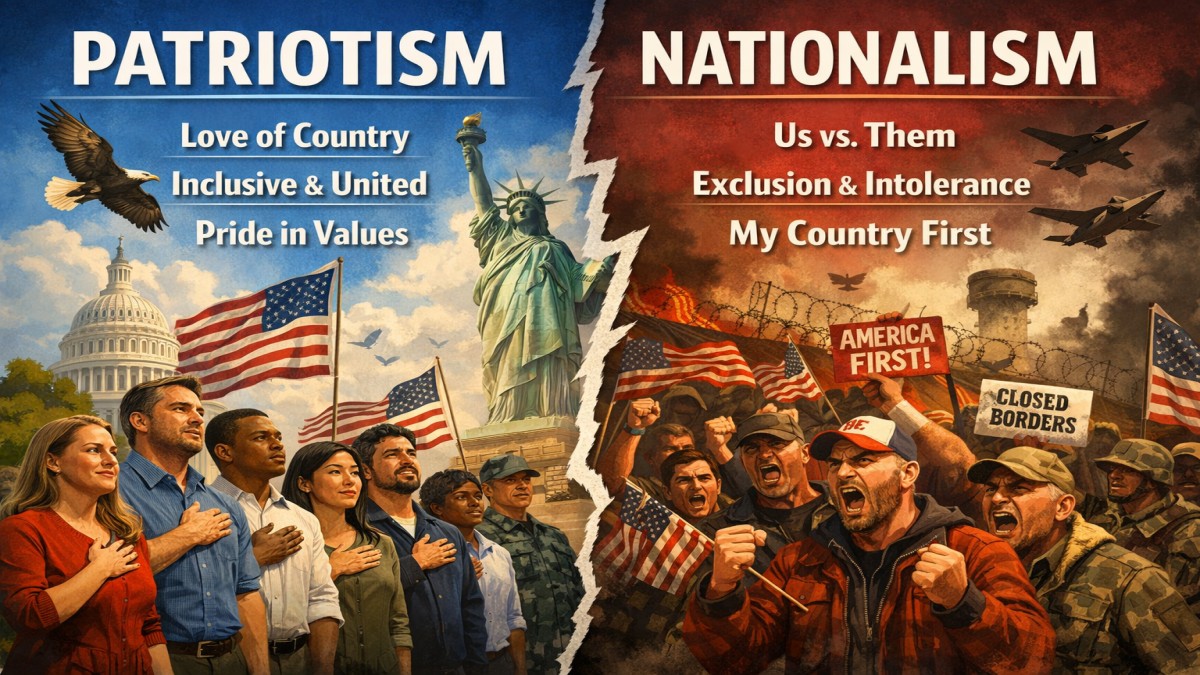
Patriotism is a deep affection for one’s country rooted in values, culture, and shared responsibility. It’s about appreciating where you come from while acknowledging imperfections. A patriot loves their country the way you love family—not blindly, but honestly.
Emotional and Ethical Foundations of Patriotism
True patriotism is grounded in ethics. It encourages citizens to improve their nation, question injustice, and uphold democratic values. It says, “My country can do better, and I’ll help make it happen.”
Defining Nationalism
What Nationalism Stands For
Nationalism goes a step further. It promotes the idea that one nation is superior to others. Nationalists often define identity narrowly—based on ethnicity, language, or religion—and expect unwavering loyalty.
Political and Ideological Roots of Nationalism
Nationalism is often fueled by political agendas. Leaders may use it as a rallying cry, especially during times of fear or uncertainty. It can unify people quickly—but not always healthily.
Core Differences Between Patriotism and Nationalism
Inclusive vs Exclusive Mindsets
Patriotism is inclusive. It welcomes diversity and believes multiple identities can coexist. Nationalism tends to draw lines—who belongs and who doesn’t.
Love for Country vs Superiority Over Others
Patriots say, “I love my country.” Nationalists say, “My country is better than yours.” That single shift in tone changes everything.
Historical Perspectives
Patriotism in Independence Movements
Many freedom struggles were powered by patriotism. Leaders inspired people to stand up for justice, dignity, and self-rule without dehumanizing others.
Nationalism in Global Conflicts
Extreme nationalism, however, has often sparked wars. History shows how unchecked national pride can slide into aggression and intolerance.
Patriotism in Modern Society
Healthy Patriotism in a Global World
Today, patriotism can mean contributing positively while respecting global cooperation. You can love your country and still value international dialogue—it’s not a contradiction.
Nationalism in the Modern Era
Rise of Nationalism in Politics
Nationalism has resurged worldwide, especially during economic or social stress. It promises quick solutions by blaming outsiders, which can be tempting but dangerous.
Nationalism and Media Influence
Social media amplifies nationalist messages fast. Simplified slogans spread quicker than nuanced discussions, making critical thinking more important than ever.
Positive and Negative Impacts
Benefits of Patriotism
Patriotism fosters unity, civic duty, and social responsibility. It motivates people to vote, volunteer, and protect democratic institutions.
Risks of Extreme Nationalism
Extreme nationalism can breed xenophobia, suppress dissent, and erode human rights. When criticism is labeled “unpatriotic,” progress stalls.
Patriotism vs Nationalism in Everyday Life
How Ordinary People Experience Both
You see patriotism in community service and respectful debate. You see nationalism when symbols matter more than people, and disagreement is treated as betrayal.
Can Patriotism and Nationalism Coexist?
Finding Balance
A balanced society encourages patriotic pride without crossing into nationalist hostility. It’s a tightrope—but one worth walking.
Conclusion
Patriotism and nationalism may start at the same place—love for country—but they lead to very different destinations. Patriotism builds, questions, and improves. Nationalism divides, demands, and often excludes. Understanding the difference helps us choose unity over division and progress over pride.
FAQs
1. Is nationalism always negative?
Not always, but extreme nationalism often leads to intolerance and conflict.
2. Can someone be patriotic without agreeing with their government?
Yes. Patriotism includes the right to question and criticize.
3. Does patriotism require national symbols?
Symbols help, but actions matter more than flags or slogans.
4. Why is nationalism rising today?
Economic anxiety, political polarization, and social media play big roles.
5. Which is better for democracy: patriotism or nationalism?
Patriotism supports democratic values; nationalism can undermine them if unchecked.

Freelance Jobs for Beginners USA (Start with No Experience)

Side Hustle Ideas from Home USA (No Experience Needed) – Beginner’s Guide

Online Jobs from Home USA (Daily Pay) – Start Earning Instantly

Beton Celular Autoclavizat: The Future of Lightweight, Eco-Friendly Construction

Goblets: A Timeless Symbol of Elegance and Celebration

AI Tools for Making Money Online Free (Best 2026 Guide)

Passive Income Apps USA Free: Earn Money Effortlessly in 2026

How to Earn Money from Home Without Investment

ChatGPT Alternatives Free No Login (2026 Guide)

Everything You Need to Know About Koeas

Ishraq Time in Delhi: What It Is, When It Happens, and Why It Matters
Beton Celular Autoclavizat: The Future of Lightweight, Eco-Friendly Construction

Read OPM Manga Online: Where and How to Enjoy One Punch Man Legally

Technisches Gymnasium: Your Gateway to Engineering and Technology

Why Every Small Business Needs a Digital Marketing Agency
Goblets: A Timeless Symbol of Elegance and Celebration

Gold Shower: Nature’s Cascading Yellow Wonder

The Indian Bow: A Legacy of Precision, Power, and Tradition

Robert Provost: A Life of Leadership, Community, and Vision

Are Political Donations Tax Deductible?
Freelance Jobs for Beginners USA (Start with No Experience)
Side Hustle Ideas from Home USA (No Experience Needed) – Beginner’s Guide
Online Jobs from Home USA (Daily Pay) – Start Earning Instantly
Beton Celular Autoclavizat: The Future of Lightweight, Eco-Friendly Construction
Goblets: A Timeless Symbol of Elegance and Celebration
AI Tools for Making Money Online Free (Best 2026 Guide)
Passive Income Apps USA Free: Earn Money Effortlessly in 2026
How to Earn Money from Home Without Investment
ChatGPT Alternatives Free No Login (2026 Guide)
Everything You Need to Know About Koeas

 entertainment7 months ago
PYT Telegram: A Complete Guide to Understanding, Using, and Maximizing It

 entertainment7 months ago
OnionFlix: Everything You Need to Know About This Streaming Website
- others6 months ago
Nook vs Kindle: Which E-Reader Is Right for You?
- gaming7 months ago
Melisandre: The Enigmatic Priestess of Game of Thrones