others
The Beauty and Meaning of a Pink Sky

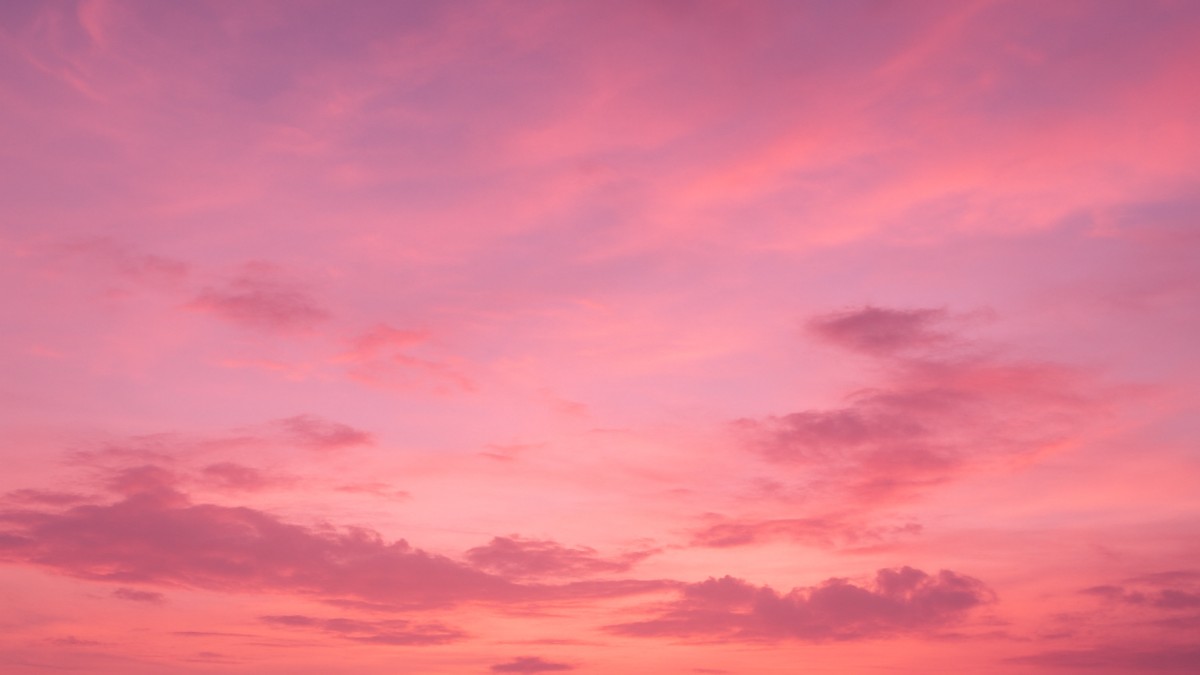
A pink sky is one of nature’s most enchanting sights. Whether it appears at dawn or during sunset, the soft blush of pink across the horizon has a magical way of stopping us in our tracks. It’s calming, dreamy, and sometimes even surreal almost like the sky is painted with pastels just for us to admire. But what exactly causes a pink sky? And why does it evoke such strong emotions in us? Let’s dive into the science, symbolism, and beauty of a pink sky.
What Causes a Pink Sky?
A pink sky isn’t just a random splash of color; it’s the result of light interacting with the atmosphere.
1. The Role of Sunlight
Sunlight, despite appearing white, is made of multiple colors. As the sun rises or sets, its rays travel a longer path through the atmosphere. Short wavelengths like blue and violet scatter away, while longer wavelengths red, orange, and pink reach our eyes.
2. Atmospheric Particles
Dust, water vapor, and tiny particles in the air help scatter light. When these particles are present in certain amounts, they enhance red and pink hues in the sky.
3. Weather Conditions
Stable weather, humidity, and the position of clouds can all contribute to a more vibrant pink sky. Thin clouds often reflect sunlight beautifully, amplifying warmer tones.
Why Pink Skies Appear More Often at Sunrise and Sunset
Sunrise and sunset are known as the “golden hours,” not just for photographers but for sky watchers too. During these times:
- The sun sits low on the horizon
- Light moves through more air
- Scattering increases
- Warm colors appear stronger
The result? A sky filled with pink, orange, and red hues nature’s most picturesque moment.
Symbolism and Emotional Meaning of a Pink Sky
Pink skies aren’t just visually striking; they carry emotional and cultural meanings.
1. Calmness and Peace
The soft, gentle tones of pink naturally evoke calmness. Many people see pink skies as soothing moments of tranquility.
2. Love and Romance
Pink is often associated with affection and warmth. A pink sky has a romantic feel, making it a favorite backdrop for special moments.
3. Hope and Positivity
In many cultures, colorful skies represent new beginnings. A pink sky at dawn can feel like a fresh start, while one at sunset may symbolize gratitude for the day.
Pink Sky in Photography
For photographers, a pink sky is pure gold. The lighting is soft, textures appear warmer, and subjects glow naturally.
Tips for Capturing the Perfect Pink Sky Shot
- Shoot during golden hour
- Use a wide-angle lens
- Include foreground elements like trees or water
- Adjust exposure to preserve color richness
Pink Sky Across Cultures
Different cultures view pink skies in unique ways:
- Japanese culture: Pink is linked with cherry blossoms—symbolizing beauty and fleeting moments.
- Western symbolism: Often associated with joy and romance.
- Sailor’s myths: “Pink sky at night, sailor’s delight; pink sky in the morning, sailors take warning.”
A famous rhyme suggesting weather predictions based on sky color.
Scientific Myths vs. Facts
Myth: A pink sky always means pollution.
Fact: While particles can enhance color, pink skies naturally occur without pollution.
Myth: Pink skies occur only in warm regions.
Fact: Pink skies appear worldwide, even in colder climates.
Environmental Factors That Enhance Pink Skies
1. Clean Air
Ironically, clean air can produce stronger color contrasts.
2. Humidity Levels
Moisture amplifies light scattering, creating richer colors.
3. Volcanic Ash
Rare events like volcanic eruptions can intensify sunsets worldwide.
The Emotional Impact of a Pink Sky
A pink sky taps into our sense of wonder. There’s something deeply grounding about watching the sky shift colors. It reminds us to slow down, breathe, and appreciate the beauty around us. In a fast-paced world, moments like these serve as natural therapy.
Conclusion
A pink sky isn’t just a beautiful sight it’s a fascinating mix of science, emotion, culture, and art. Whether it appears at dawn or dusk, its soft glow inspires peace, wonder, and reflection. The next time the sky turns pink, take a moment to enjoy it. These fleeting masterpieces remind us that nature knows exactly how to paint the world with magic.
FAQs
1. Why does the sky turn pink sometimes?
Because sunlight scatters differently during sunrise and sunset, allowing pink and red tones to dominate.
2. Is a pink sky a sign of pollution?
Not necessarily; pink skies can occur naturally due to atmospheric conditions.
3. Do pink skies mean it will rain?
Sometimes—pink skies in the morning may indicate incoming moisture.
4. Are pink skies more common in certain seasons?
They can appear anytime but are often more vivid during clear, cool weather.
5. Can I photograph a pink sky with a smartphone?
Absolutely—use HDR mode and shoot during golden hour for best results.

Dobutamine: Uses, Mechanism, Dosage, and Side Effects

Nopdle Magazine: Redefining Creative Culture Through Curated Innovation

Shop Easter Basket: The Ultimate Guide to Perfect Easter Gifts

Best Apps to Make Money Online USA (2026 Guide)

How to Start Affiliate Marketing with No Money

Freelance Jobs for Beginners USA (Start with No Experience)

Side Hustle Ideas from Home USA (No Experience Needed) – Beginner’s Guide

Online Jobs from Home USA (Daily Pay) – Start Earning Instantly

Beton Celular Autoclavizat: The Future of Lightweight, Eco-Friendly Construction

Goblets: A Timeless Symbol of Elegance and Celebration
Dobutamine: Uses, Mechanism, Dosage, and Side Effects

Ishraq Time in Delhi: What It Is, When It Happens, and Why It Matters
Beton Celular Autoclavizat: The Future of Lightweight, Eco-Friendly Construction

Read OPM Manga Online: Where and How to Enjoy One Punch Man Legally

Technisches Gymnasium: Your Gateway to Engineering and Technology

Why Every Small Business Needs a Digital Marketing Agency
Goblets: A Timeless Symbol of Elegance and Celebration
Nopdle Magazine: Redefining Creative Culture Through Curated Innovation

Gold Shower: Nature’s Cascading Yellow Wonder

The Indian Bow: A Legacy of Precision, Power, and Tradition
Dobutamine: Uses, Mechanism, Dosage, and Side Effects
Nopdle Magazine: Redefining Creative Culture Through Curated Innovation
Shop Easter Basket: The Ultimate Guide to Perfect Easter Gifts
Best Apps to Make Money Online USA (2026 Guide)
How to Start Affiliate Marketing with No Money
Freelance Jobs for Beginners USA (Start with No Experience)
Side Hustle Ideas from Home USA (No Experience Needed) – Beginner’s Guide
Online Jobs from Home USA (Daily Pay) – Start Earning Instantly
Beton Celular Autoclavizat: The Future of Lightweight, Eco-Friendly Construction
Goblets: A Timeless Symbol of Elegance and Celebration

 entertainment7 months ago
PYT Telegram: A Complete Guide to Understanding, Using, and Maximizing It

 entertainment7 months ago
OnionFlix: Everything You Need to Know About This Streaming Website
- others6 months ago
Nook vs Kindle: Which E-Reader Is Right for You?
- gaming7 months ago
Melisandre: The Enigmatic Priestess of Game of Thrones