Health
Understanding the Substantia Nigra: Structure, Function, and Disorders

Introduction to the Substantia Nigra
What is the Substantia Nigra?
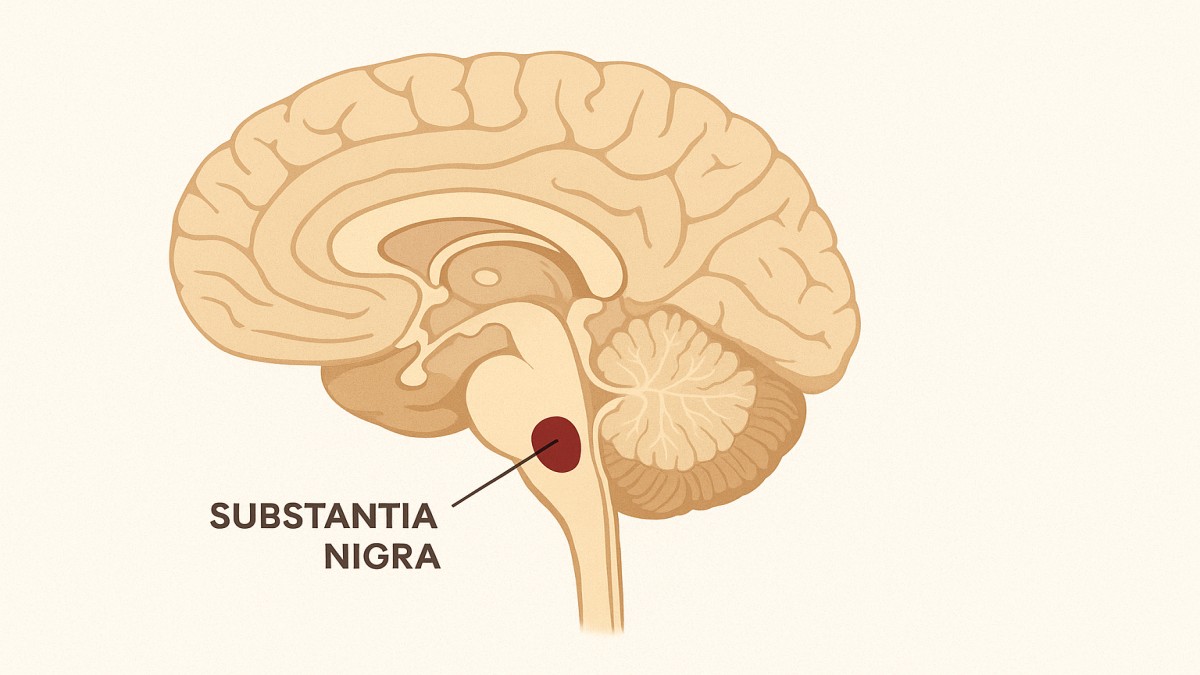
The substantia nigra is a small yet critically important structure located deep within the midbrain. Its name literally means “black substance” due to its dark pigmentation caused by neuromelanin. Despite its small size, it plays a huge role in movement control, behavior, reward, and cognition.
Why is It Crucial for Brain Function?
Without the substantia nigra, the brain wouldn’t be able to coordinate smooth, controlled movements or regulate certain motivation and reward pathways. It acts like a command center for dopamine, one of the most important neurotransmitters in the human body.
Anatomy of the Substantia Nigra
Location in the Midbrain
The substantia nigra sits inside the mesencephalon (midbrain), forming part of the basal ganglia network—an area responsible for motor control and learning.
Substantia Nigra Pars Compacta (SNc)
This region contains dopamine-producing neurons, which send signals throughout motor pathways. Degeneration here is a hallmark of Parkinson’s disease.
Substantia Nigra Pars Reticulata (SNr)
The SNr helps regulate eye movement and motor output, acting like a relay station for signals sent to other parts of the brain.
Functions of the Substantia Nigra
Dopamine Production
The SNc produces dopamine, a neurotransmitter essential for:
- Motor control
- Reward processing
- Learning and motivation
When dopamine levels drop, movement becomes stiff, slow, and difficult.
Regulation of Movement
The substantia nigra works with the basal ganglia to control voluntary movement—allowing you to walk, write, or even blink smoothly.
Role in Reward and Addiction
The dopamine produced here influences habits, pleasure, and reinforcement. This makes the substantia nigra part of the brain’s motivational circuitry.
Substantia Nigra and Dopaminergic Neurons
How Dopamine Signals Are Transmitted
Dopamine travels from the midbrain to the striatum, where it helps fine-tune movement.
Impact on Motor Pathways
Dopamine acts like lubrication for the brain’s motor system—without it, movements become shaky or rigid.
Interaction with the Basal Ganglia
The substantia nigra communicates constantly with the basal ganglia to help initiate and control movement.
Disorders Affecting the Substantia Nigra
Parkinson’s Disease
The most well-known disorder associated with degeneration of dopaminergic neurons. Symptoms include:
- Tremors
- Muscle rigidity
- Slow movement (bradykinesia)
Lewy Body Dementia
Lewy bodies—abnormal protein deposits—form in the neurons, affecting both movement and cognition.
Multiple System Atrophy
A rare condition that impacts both the autonomic nervous system and motor control.
Causes of Substantia Nigra Damage
Aging
As people age, neurons naturally decline, and dopamine levels decrease.
Environmental Toxins
Exposure to pesticides, heavy metals, or pollutants can damage dopamine neurons.
Genetic Factors
Certain gene mutations increase the risk of neurodegenerative conditions.
Symptoms of Substantia Nigra Dysfunction
Motor Symptoms
- Tremors
- Slow movement
- Postural instability
Cognitive Symptoms
Difficulty planning or multitasking may appear as dopamine levels fall.
Behavioral and Emotional Effects
Mood changes—including depression or apathy—are also common.
Diagnostic Methods
MRI and Neuroimaging
Scans help detect structural changes in the midbrain.
Dopamine Transporter Scans (DAT Scan)
These provide visual proof of dopamine depletion.
Clinical Neurological Assessments
Doctors evaluate reflexes, balance, and coordination to identify dysfunction.
Treatment and Management
Medication
Levodopa and dopamine agonists help restore dopamine levels.
Deep Brain Stimulation (DBS)
DBS reduces tremors and improves movement in advanced cases.
Lifestyle Support and Therapies
Exercise, physical therapy, and nutrition all support brain health.
Current Research and Future Directions
Stem Cell Therapy
Researchers aim to regenerate dopamine-producing neurons.
Neuroprotective Drugs
New medications may slow brain cell degeneration.
Advances in Imaging Techniques
Better scans allow earlier and more accurate diagnosis.
Conclusion
The substantia nigra may be small, but its impact on human movement and behavior is immense. Damage to this region can lead to profound neurological disorders, but ongoing research continues to bring hope. Understanding how it works—and how to protect it—offers a clearer path toward better brain health.
FAQs
1. What happens when the substantia nigra degenerates?
Movement becomes difficult because dopamine levels drop.
2. Is substantia nigra damage reversible?
Currently, it cannot be fully reversed, but treatments manage symptoms.
3. How early can substantia nigra disorders be detected?
Specialized scans can detect changes before major symptoms appear.
4. Does lifestyle impact dopamine health?
Yes—exercise, sleep, and nutrition all support brain function.
5. Can supplements help protect the substantia nigra?
Some antioxidants may help, but always consult a healthcare provider.

Dobutamine: Uses, Mechanism, Dosage, and Side Effects

Nopdle Magazine: Redefining Creative Culture Through Curated Innovation

Shop Easter Basket: The Ultimate Guide to Perfect Easter Gifts

Best Apps to Make Money Online USA (2026 Guide)

How to Start Affiliate Marketing with No Money

Freelance Jobs for Beginners USA (Start with No Experience)

Side Hustle Ideas from Home USA (No Experience Needed) – Beginner’s Guide

Online Jobs from Home USA (Daily Pay) – Start Earning Instantly

Beton Celular Autoclavizat: The Future of Lightweight, Eco-Friendly Construction

Goblets: A Timeless Symbol of Elegance and Celebration
Dobutamine: Uses, Mechanism, Dosage, and Side Effects

Ishraq Time in Delhi: What It Is, When It Happens, and Why It Matters
Beton Celular Autoclavizat: The Future of Lightweight, Eco-Friendly Construction

Read OPM Manga Online: Where and How to Enjoy One Punch Man Legally

Technisches Gymnasium: Your Gateway to Engineering and Technology

Why Every Small Business Needs a Digital Marketing Agency
Goblets: A Timeless Symbol of Elegance and Celebration
Nopdle Magazine: Redefining Creative Culture Through Curated Innovation

Gold Shower: Nature’s Cascading Yellow Wonder

The Indian Bow: A Legacy of Precision, Power, and Tradition
Dobutamine: Uses, Mechanism, Dosage, and Side Effects
Nopdle Magazine: Redefining Creative Culture Through Curated Innovation
Shop Easter Basket: The Ultimate Guide to Perfect Easter Gifts
Best Apps to Make Money Online USA (2026 Guide)
How to Start Affiliate Marketing with No Money
Freelance Jobs for Beginners USA (Start with No Experience)
Side Hustle Ideas from Home USA (No Experience Needed) – Beginner’s Guide
Online Jobs from Home USA (Daily Pay) – Start Earning Instantly
Beton Celular Autoclavizat: The Future of Lightweight, Eco-Friendly Construction
Goblets: A Timeless Symbol of Elegance and Celebration

 entertainment7 months ago
PYT Telegram: A Complete Guide to Understanding, Using, and Maximizing It

 entertainment7 months ago
OnionFlix: Everything You Need to Know About This Streaming Website
- others6 months ago
Nook vs Kindle: Which E-Reader Is Right for You?
- gaming7 months ago
Melisandre: The Enigmatic Priestess of Game of Thrones