business
Tables to Bookings: How to Start a Party Rental Business

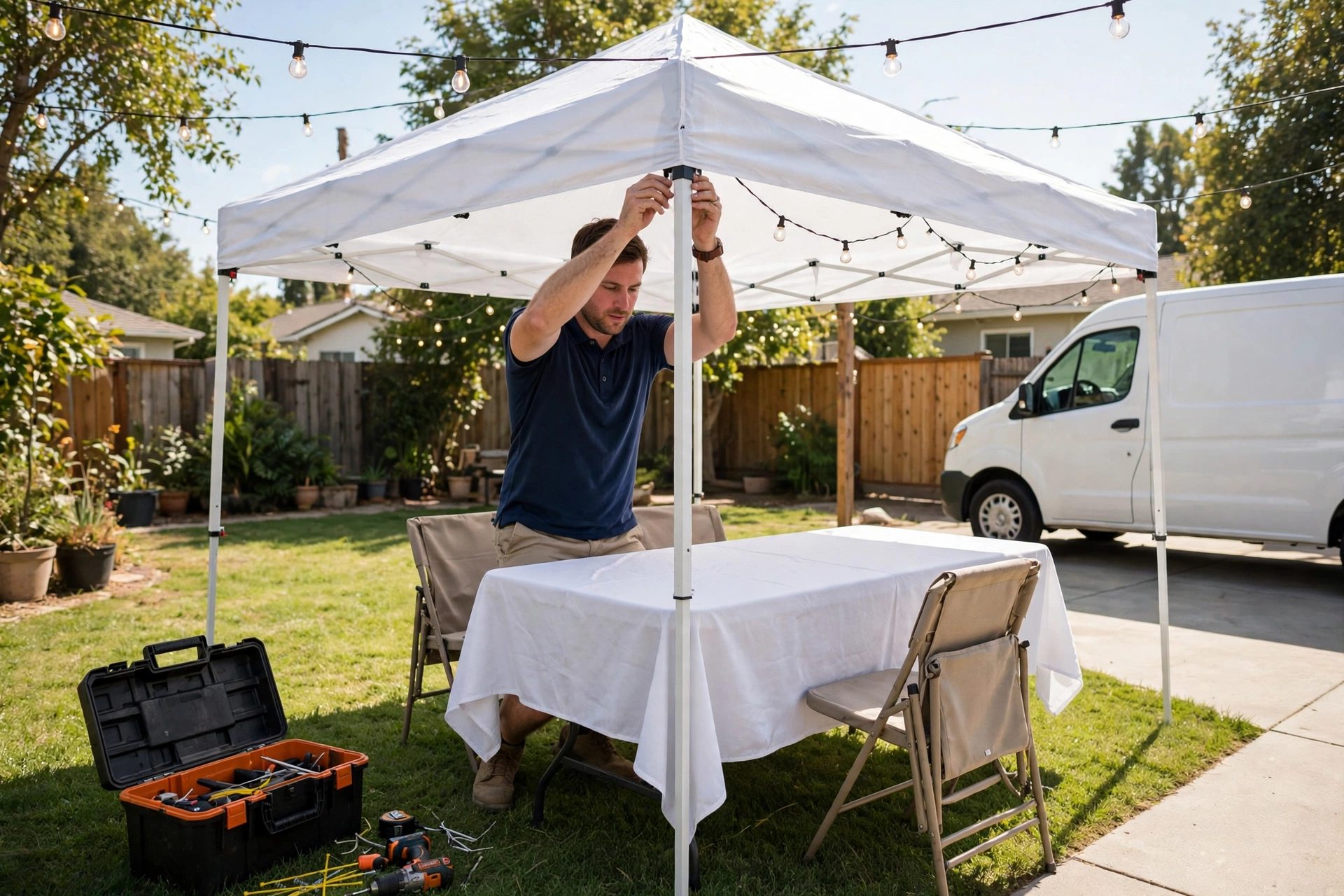
Every weekend, somewhere near you, a backyard turns into a wedding venue, a park pavilion fills with birthday tables, and a company picnic needs forty chairs by Saturday morning. Somebody owns those tables, tents and chairs — and gets paid every time they go out. If you enjoy hands-on work, meeting people and seeing a party come together, learning how to start a party rental business is one of the most practical small businesses you can build. You buy useful gear once, rent it out again and again, and grow one event at a time.
This guide walks you through the whole launch in thirteen steps, from picking a niche to booking your first paying customers.
Step 1: Pick Your Niche and Study Your Local Market
Before you buy a single folding chair, decide what kind of events you want to serve. A party rental outfit can cover weddings, birthdays, graduations, baby showers, corporate picnics, school fairs and backyard barbecues — but trying to serve all of them on day one spreads your money too thin. Pick one or two niches where demand is steady in your town and build your first inventory around them.
A few party rental business ideas that work in most towns are backyard wedding packages, birthday party bundles for kids, graduation setups, and corporate picnic kits. Weddings pay the most per event but need the prettiest inventory; birthdays book the most often but at lower prices; corporate events pay on time and reorder every year. Talk to local event planners, caterers and venue managers and ask what they struggle to find. If three planners tell you they cannot find enough clean white resin chairs in June, you have found your niche. The same approach works if you later want to learn how to start an event rental business serving weddings and corporate clients — the niche-first thinking is identical.
When you learn how to start a party rental business, the first decision is never the gear — it is the customer. Write down who they are, what events they host, what they pay, and which weekends are busiest. In most places the season runs from late spring to early autumn, with December holiday parties as a second peak. Count the competing rental outfits in a 30-mile radius, check their websites, and note what they charge and what they do not offer. A gap — no dance floors, no heaters for autumn weddings, no delivery on Sundays — is your opening.
Step 2: Write Your Party Rental Business Plan
A party rental business plan does not need to be forty pages long, but it does need to answer five questions: what will you rent, who will rent it, what will you charge, what will it cost you, and how will customers find you. One page per question is enough for a first draft, and a lender or a landlord will take you far more seriously with it in hand.
Start with your inventory list and prices. List every item, what it costs to buy, what you will charge per rental, and how many rentals it takes to pay for itself. A $45 folding table rented at $12 pays for itself in four weekends; a $1,200 tent rented at $250 pays for itself in five. Then add your fixed costs: storage, insurance, vehicle fuel, website, and cleaning supplies. Your plan should show the month you expect to break even, and it should be honest about winter — in cold climates, income can drop by half from November to March, so your plan needs a slow-season strategy, such as holiday lighting, heaters, or indoor event gear.
Step 3: Register the Business and Choose a Name
Register your business with your state or local authority and pick a structure — most rental owners start as a sole trader or an LLC, and an LLC is worth considering because it separates your personal assets from the business if a guest is ever injured on your gear. Get an employer identification number if your country requires one, open a separate business bank account, and keep every receipt from day one.
Shortlist three or four party rental business names that are easy to spell over the phone, easy to remember, and free on social media and as a domain name. Names that say what you do — something with “party”, “rentals” or “events” in it — help strangers understand the business in two seconds. Check the name against your local business register and trademark database before you print it on a van. A clear, friendly name beats a clever one every time, because most of your first customers will find you by searching, not by guessing.
Step 4: Work Out Your Startup Budget
Your startup cost depends almost entirely on how much inventory you buy before your first booking. A lean home-based start — eighteen folding chairs, three folding tables, one pop-up tent, a few tablecloths and a basic website — can come in around $1,000 to $2,000 if you buy sensibly and use a vehicle you already own. A fuller launch with a marquee tent, dance floor, lighting and a used cargo van can run $10,000 to $25,000. Most owners start lean and reinvest every dollar of profit into more gear for the first year.
Here is a realistic starter budget:
| Item | Typical cost | Rental rate |
|---|---|---|
| 18 folding chairs | $180–$270 | $2–$4 each |
| 3 folding tables | $120–$240 | $10–$15 each |
| 1 pop-up tent (10×20 ft) | $150–$400 | $100–$200 |
| Tablecloths and chair covers | $100–$200 | $3–$6 each |
| String lights and extension cords | $80–$150 | $25–$50 per set |
| Delivery vehicle (use your own first) | $0 to start | built into delivery fee |
| Website and booking page | $100–$300 a year | — |
| Insurance (first year) | $500–$1,200 a year | — |
Do not borrow heavily to buy inventory you have not tested. Rent out the starter kit for a full season first. The bookings will tell you what to buy next — if every customer asks for a dance floor, buy a dance floor; if nobody asks for chair covers, stop buying chair covers.
Step 5: Get Your Party Rental Business License and Permits
A party rental business license usually means a general business license from your city or county, plus any permits your area requires for operating a rental operation from home or from a warehouse. Some towns require a home occupation permit before you can store commercial inventory in a residential garage, and some require a fire safety check for tents above a certain size. Call your local licensing office before you spend money — a ten-minute call can save you a fine later.
If you deliver and set up tents, check whether your area requires a separate permit for temporary structures, and whether stakes are allowed on public ground or only weighted setups. Keep copies of every license and permit in the van as well as at home, because venues and event planners will sometimes ask to see them before they let you set up. Renewals are usually annual, so put the dates in your calendar the day the paperwork arrives.
Step 6: Sort Your Party Rental Insurance
Good party rental insurance covers three risks: someone gets hurt using your gear, your gear gets damaged or stolen, and an event is cancelled after you have loaded the van. General liability is the essential policy — most venues will not let you set up without proof of it, usually $1 million in coverage — and inland marine or equipment cover protects the inventory itself while it is on a truck or at a stranger’s house.
Ask your insurer about damage waivers. Many rental owners charge customers a small optional damage waiver, around 8 to 10 percent of the order, which covers accidental damage such as a stained tablecloth or a cracked chair. It keeps small accidents from becoming arguments, and customers accept it happily when it is explained clearly at booking. Get quotes from at least three insurers, because premiums for the same cover can differ by hundreds of dollars a year, and check whether your policy covers you for delivery driving as well as for the gear itself.
Step 7: Buy Your First Inventory — and Buy for Rentals, Not for Yourself
Buy the items customers ask for most, not the items you personally like. White resin folding chairs, rectangular banquet tables, plain white tablecloths and a sturdy pop-up tent will book every single weekend; ornate gold chairs and themed props will sit in storage waiting for the one customer who wants them. Choose commercial-grade gear, because rental items are handled by strangers, loaded in a hurry, and used outdoors — a cheap chair that breaks at a wedding costs you far more than the money you saved buying it.
Buy in stages. Start with one complete party package — enough for eighteen to twenty guests — and make sure every piece works together: chairs that fit under the tables, tablecloths that fit the tables, a tent that covers the whole setup. Photograph the package set up properly in a garden, with clean linens and straight chairs, because those photos will sell the package on your website for the next two years. Inspect every item before it goes out and after it comes back, and retire anything with a wobble, a stain that will not wash out, or a tear. A customer remembers the one broken chair, not the seventeen good ones.

Step 8: Price Your Packages and Set Your Rental Rates
Price by package, not just by item. Customers find it easier to book a “party for twenty” bundle — tent, tables, chairs, linens and lights for one clear price — than to build an order item by item, and bundles raise your average order value. Work out what each item must earn per rental to pay for itself within a season, then add delivery, setup and collection as a separate line so customers can see exactly what they are paying for.
Check competitor rental rates in your area and position yourself honestly: the cheapest outfit in town wins the bargain hunters and burns out first, while the most expensive needs a showroom and a reputation to justify it. Start in the middle, deliver flawlessly, and raise prices once your weekends are fully booked a month ahead. Always charge a refundable security deposit — $100 to $300 depending on the order size — and put the deposit terms, the damage policy and the cancellation deadline in writing before you take payment. Clear terms prevent almost every argument a rental owner ever has.
Step 9: Set Up Storage and a Delivery System
Your inventory needs dry, clean, organised storage. Shelves for linens, racks for chairs, and a labelled spot for every tent pole and light string will save you hours on a busy Saturday. You can run the business from home if you have garage or shed space and your local rules allow it — many successful owners start exactly that way — but keep the gear separate from family storage, keep it clean, and keep a simple inventory count so you always know what is out, what is back, and what needs repair.
Delivery is half the business. Plan routes so that Friday deliveries and Sunday collections run in the same direction, and allow more time than you think for setup — a tent that takes twenty minutes in your garden can take an hour on a sloping lawn in the wind. Bring spares on every job: extra stakes, a spare light string, a cloth and a small repair kit. Charge for delivery by distance, and say so on the website, so a customer thirty miles away is not surprised by the fee. A van or a trailer is the first big purchase most owners make, and it is worth it the moment you stop making three car trips for one party.
Step 10: Build a Simple Booking Website
Your website is your shop window, and it needs three things: clear photos of your packages set up properly, honest prices, and a booking form that takes less than two minutes to complete. Most customers will find you on a phone, so test every page on a phone first. Show the package, the price, what is included, the delivery area, and the earliest available date — and answer the phone when it rings, because party customers often book the first outfit that replies.
Add a gallery of real events, with the customer’s permission, and a short list of the venues and planners you work with. Rental software can help once you are busy: it tracks availability, sends quotes, takes deposits and stops double-bookings. In the first months a simple form and a shared calendar are enough, but move to proper booking software before your first fully booked month — a double-booked Saturday is the fastest way to lose the reputation you are building.
Step 11: Promote Locally and Win Your First Bookings
Once you know how to start a party rental business, the next job is getting found. Start with the free channels: a Google Business profile with photos and real reviews, so that when someone nearby searches party rentals near me, your profile is the first thing they see; a Facebook page showing your setups; and listings on local event and marketplace sites. Ask every happy customer for a review and a photo, and post both the same week — reviews with photos of real parties are worth more than any advert.
Then build the relationships that feed this trade. Event planners, caterers, photographers, florists, DJs and venue managers all meet your customers before you do, and a planner who trusts your delivery will recommend you again and again. Offer them a simple referral thank-you, such as a small discount on their own next hire, and deliver on time every single time. Local promotion beats broad advertising for this business: a stall at a wedding fair, a sponsored post in a neighbourhood group, and a clean van with your name on it will bring more bookings than a national ad campaign ever will.
Step 12: Run the Job Day Well — Deliver, Set Up, Collect
The job day is where reputations are made. Arrive early, walk the site with the customer, and confirm where the tent goes, where the tables sit, and where the dance floor faces before you unload anything. Count every item as it comes off the van and count it again as it goes back on — a missing chair discovered at the next job is a problem, but a missing chair discovered at the customer’s house is a promise you can still keep.
Leave the setup clean and safe: tent legs weighted or staked, cables taped down or tucked away, tables level, and linens straight. Take a photo of the finished setup before the guests arrive — it protects you if anything is damaged later, and it gives you another photo for your website. Be polite to the venue staff, the caterers and the DJ, because they are the people who will recommend you next. Collect on time, inspect the gear on the spot, and thank the customer before you drive away. A short message the next day asking how the party went often turns a one-time customer into a repeat booking.
Step 13: Grow One Item, One Weekend at a Time
Growth in this trade is simple: add the items your customers keep asking for, and stop buying the ones they never mention. Growing from a one-van outfit into a full event rental business takes a few seasons of steady bookings, so take it one item at a time. A photo booth, a dance floor, heaters for autumn weddings, a second tent size, or a children’s table-and-chair set are all natural next steps — and fresh party rental business ideas like these are worth testing with one purchase before you commit to a full set. Hire help for Saturdays before you hire for the office: one reliable helper who can drive, lift and set up cleanly is worth more than any software in your first year.
Some owners grow by buying an existing outfit. A party rental business for sale in your area can be a shortcut to inventory, customers and reviews — but check the gear in person, ask for a full booking history, and value used inventory at what it would cost to replace, not at what the seller paid years ago. Others consider buying into a franchise, which brings a known brand and a booking system but also takes a monthly fee and limits how you run things. Either route can work; what matters is that you keep the standards that built your name — clean gear, honest prices, on-time delivery — because in a local trade, your reputation is the business.
Frequently Asked Questions
Is this kind of business profitable?
It can be, because the same inventory earns money weekend after weekend. A starter kit that costs $1,500 and earns $300 a weekend pays for itself in five weekends, and everything after that is gross income before your running costs. Profit depends on keeping the gear busy: a tent rented twenty weekends a year earns five times more than the same tent rented four. Keep your calendar full, keep damage and cleaning costs low, and reinvest early profits into the items customers ask for most.
How much money do I need to start?
Your startup cost is mostly inventory, and you control it. A lean home-based start runs about $1,000 to $2,000 for chairs, tables, a pop-up tent, linens and a website, using a vehicle you already own. A fuller launch with a marquee tent, dance floor and a used van runs $10,000 to $25,000. Start lean, rent the starter kit for a season, and let real bookings decide what you buy next.
Can I run this business from home?
Yes, in most areas, as long as your local rules allow commercial storage at a home address and you have dry space for the gear. A garage, a shed, or a rented storage unit all work. Keep the inventory clean and organised, keep business money separate from household money, and check whether your town needs a home occupation permit. Many owners run from home for years before taking a warehouse, and customers never need to know where the chairs sleep.
What insurance do I actually need?
General liability cover is the must-have — most venues require proof of it before you set up. Add cover for the inventory itself against damage and theft, and check that your vehicle policy covers commercial delivery driving. A damage waiver charged to the customer, around 8 to 10 percent of the order, handles the small accidents gracefully. Get three quotes, because premiums for identical cover can differ by hundreds of dollars a year.
What items should I buy first?
Buy one complete party package for eighteen to twenty guests: folding chairs, banquet tables, tablecloths, a pop-up tent and a set of string lights. These five items book together constantly, and a complete package is far easier to sell than five separate items. Add a second tent size and a dance floor once the first package is booked most weekends.
What Are Good Party Rental Business Names?
Good names are short, easy to spell over the phone, and clear about what you do. Include a word like “party”, “rentals” or “events” so strangers understand the business in two seconds, and check the name is free as a domain and on social media before you commit. Test it by saying it aloud as if you were answering the phone — if a stranger can spell it after hearing it once, it works.
Should I buy an existing rental outfit or start from scratch?
Buying can be a shortcut, but inspect everything first. A party rental business for sale should come with a real booking history, customer reviews and gear you can see and test — value used inventory at replacement cost, not at the seller’s original price. Starting from scratch is slower but lets you choose every item, build your own reviews, and avoid inheriting someone else’s worn-out gear or unhappy customers. Either way, get the paperwork checked before money changes hands.
Is buying into a franchise worth it?
A franchise gives you a known brand, a booking system and training, which can help a complete beginner get going faster. The trade-off is the franchise fee, the monthly royalty, and the rules about pricing, suppliers and territory. Compare the total cost over three years against starting independently with the same money — for most owners, the independent route keeps more profit, but a franchise suits anyone who wants a ready-made system and is happy to follow it.
Final Word
You do not need a warehouse, a fleet of vans, or a big loan to begin. You need one good party package, a clean website, the right insurance, and the habit of arriving early and leaving every setup spotless. Now you know how to start a party rental business the steady way: pick a niche, plan it, buy lean, price honestly, and let each booked weekend pay for the next piece of gear. The parties are already happening every weekend in your town — the only question is whose tables they will be sitting at.

Sparkling Start: How to Start a Cleaning Business

Focus to Fortune: How to Start a Photography Business

Tables to Bookings: How to Start a Party Rental Business

Bouncing to Profit: How to Start a Bounce House Business

Driveway Dollars: How to Start a Mobile Car Wash Business

Coins to Cash Flow: How to Start a Vending Machine Business

Soot to Success: How to Start a Chimney Sweep Business

Wrenches on Wheels: How to Start a Mobile Mechanic Business

Foundations First: How to Start a Home Inspection Business

Stamps on the Move: How to Start a Mobile Notary Business

How to Get More Clients for Your Business: Simple Ways That Actually Work

Branding Tips for Small Businesses: A Simple Guide That Makes You Memorable

How to Start Freelancing With No Experience: A Simple Guide That Gets You Your First Client

How to Do a Small Business Competitive Analysis: A Simple Guide That Finds Your Edge

Networking Tips for Small Business Owners: A Simple Guide That Turns Conversations Into Customers

How to Keep Customers Coming Back: Simple Ways That Actually Work

Christmas Marketing Ideas for Small Businesses: Simple Ways to Win Festive Customers

How to Create a Budget for a Small Business: A Simple Guide That Keeps Your Money in Order

Pricing Strategies for Small Business: A Simple Guide That Protects Your Profit

How to Promote Your Blog Posts: Simple Ways That Actually Work
Sparkling Start: How to Start a Cleaning Business
Focus to Fortune: How to Start a Photography Business
Tables to Bookings: How to Start a Party Rental Business
Bouncing to Profit: How to Start a Bounce House Business
Driveway Dollars: How to Start a Mobile Car Wash Business
Coins to Cash Flow: How to Start a Vending Machine Business
Soot to Success: How to Start a Chimney Sweep Business
Wrenches on Wheels: How to Start a Mobile Mechanic Business
Foundations First: How to Start a Home Inspection Business
Stamps on the Move: How to Start a Mobile Notary Business

 entertainment1 year ago
PYT Telegram: A Complete Guide to Understanding, Using, and Maximizing It

 entertainment1 year ago
OnionFlix: Everything You Need to Know About This Streaming Website
- education1 year ago
How to Become a Software Engineer: A Complete Guide
- entertainment10 months ago
Brainrot Memes: The Unhinged Humor of the Internet Generation