others
Tape Grass: A Complete Guide to Vallisneria and Its Importance

Tape grass might look simple at first glance, but don’t let its ribbon-like leaves fool you. This aquatic plant is a powerhouse in freshwater ecosystems and a favorite among aquarium hobbyists worldwide. Whether you’re setting up your first fish tank or just curious about underwater plants, tape grass deserves your attention.
Let’s dive in—literally.
What Is Tape Grass?
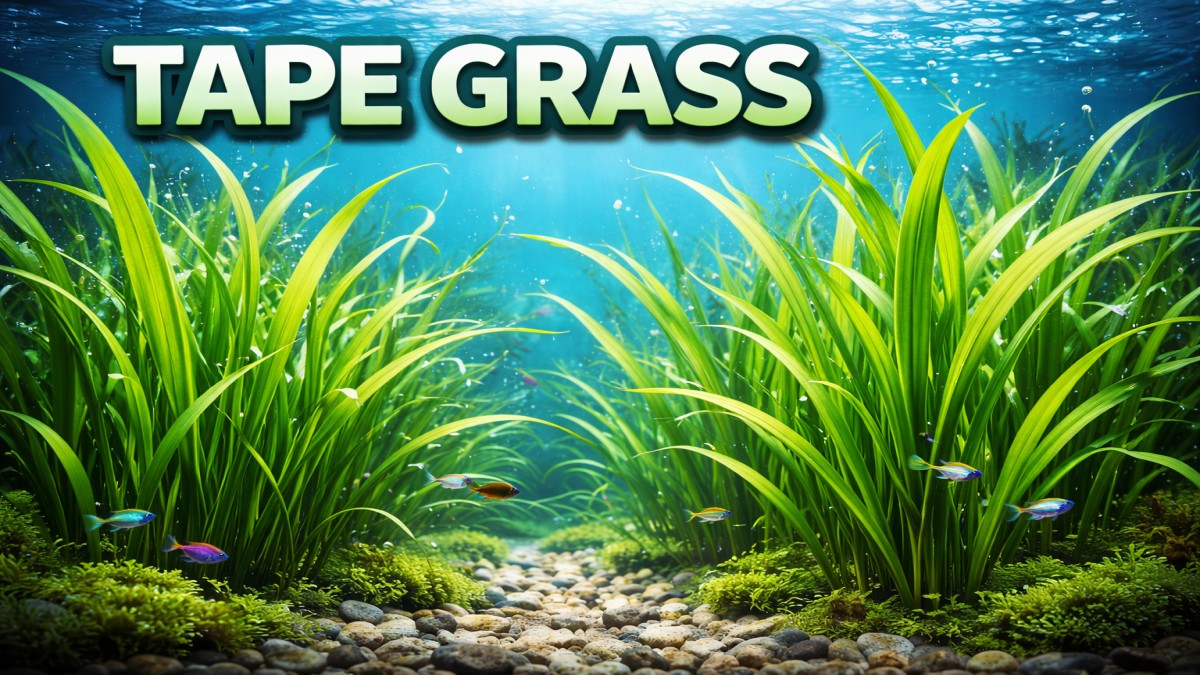
Tape grass is a submerged freshwater plant known for its long, flat, ribbon-shaped leaves that sway gracefully with water movement. It belongs to the genus Vallisneria and is commonly found in lakes, rivers, ponds, and aquariums.
Scientific Name and Classification
- Kingdom: Plantae
- Genus: Vallisneria
- Family: Hydrocharitaceae
Common Names of Tape Grass
- Tape grass
- Eelgrass (freshwater, not marine eelgrass)
- Vallisneria
- Wild celery (for Vallisneria americana)
Physical Characteristics of Tape Grass
Leaf Structure and Appearance
Tape grass features long, narrow, flat leaves that resemble green ribbons or tape—hence the name. Leaves can grow anywhere from a few inches to several feet long, depending on the species and environment.
Root System and Growth Pattern
It has a strong root system that anchors deeply into the substrate. Tape grass spreads horizontally using runners, making it excellent for creating lush underwater meadows.
Why It’s Called “Tape Grass”
The leaves look exactly like strips of green tape flowing underwater—simple, descriptive, and accurate.
Natural Habitat of Tape Grass
Freshwater Ecosystems
Tape grass thrives in slow-moving or still freshwater bodies such as:
- Lakes
- Ponds
- Rivers
- Streams
Geographic Distribution
It’s found across:
- North America
- Asia
- Europe
- Australia
Basically, if there’s freshwater and sunlight, tape grass can probably grow there.
Types of Tape Grass (Vallisneria Species)
Vallisneria spiralis
- Most common aquarium variety
- Twisted leaves
- Easy to grow and beginner-friendly
Vallisneria americana
- Native to North America
- Known as wild celery
- Popular in ponds and large tanks
Vallisneria gigantea
- Grows extremely tall
- Ideal for large aquariums and ponds
Ecological Importance of Tape Grass
Oxygen Production
Tape grass produces oxygen during photosynthesis, improving water quality and supporting aquatic life.
Habitat for Aquatic Life
Fish, shrimp, snails, and fry use tape grass for:
- Shelter
- Breeding
- Protection from predators
Role in Water Clarity
It stabilizes sediment and absorbs excess nutrients, reducing water cloudiness and algae growth.
Tape Grass in Aquariums
Why Aquarists Love Tape Grass
- Low maintenance
- Fast-growing
- Natural look
- Great background plant
Ideal Tank Conditions
- Freshwater tanks
- Medium to large aquariums
- Beginner-friendly setups
Freshwater Fish Compatible with Tape Grass
- Guppies
- Tetras
- Angelfish
- Mollies
- Shrimp and snails
How to Plant Tape Grass
Substrate Requirements
Use nutrient-rich substrates like:
- Aquarium soil
- Sand with root tabs
- Fine gravel
Planting Step-by-Step Guide
- Rinse the plant gently
- Insert roots into the substrate
- Do not bury the crown
- Space plants a few inches apart
Simple, right?
Tape Grass Care and Maintenance
Light Requirements
- Low to moderate light
- Too much light may cause algae
Nutrients and Fertilization
- Root tabs work best
- Liquid fertilizers optional
Water Parameters
- Temperature: 20–28°C (68–82°F)
- pH: 6.5–8.0
- Moderate water hardness
Growth Rate and Propagation
Runner-Based Propagation
Tape grass spreads through runners that produce baby plants. Just let nature do its thing—or trim if needed.
Managing Overgrowth
Trim excess runners to prevent overcrowding. Think of it like mowing an underwater lawn.
Benefits of Tape Grass
Benefits for Fish Tanks
- Reduces stress in fish
- Improves oxygen levels
- Natural breeding ground
Environmental Benefits
- Prevents erosion
- Filters pollutants
- Supports biodiversity
Common Problems with Tape Grass
Yellowing Leaves
Usually caused by nutrient deficiency—add root tabs.
Melting After Planting
Normal during adaptation. New growth will follow.
Algae Issues
Reduce light duration and avoid overfeeding fish.
Tape Grass vs Other Aquatic Plants
Tape Grass vs Eelgrass
- Tape grass: freshwater
- Eelgrass: marine
Tape Grass vs Java Fern
- Tape grass: rooted, fast-growing
- Java fern: slow-growing, attaches to décor.
Conclusion
Tape grass is more than just a pretty aquatic plant—it’s a natural water purifier, a fish sanctuary, and a beginner aquarist’s best friend. Easy to grow, hard to kill, and beautiful to watch sway underwater, tape grass truly earns its place in both nature and aquariums. If aquatic plants had a “most reliable” award, tape grass would win it every time.
FAQs
1. Is tape grass good for beginners?
Yes, it’s one of the easiest aquatic plants to grow.
2. Can tape grass grow without CO₂?
Absolutely. CO₂ is optional, not required.
3. How fast does tape grass grow?
Under good conditions, it grows rapidly and spreads through runners.
4. Does tape grass need fertilizer?
Root tabs are recommended for best growth.
5. Can tape grass grow in low light?
Yes, low to moderate light is ideal.

Freelance Jobs for Beginners USA (Start with No Experience)

Side Hustle Ideas from Home USA (No Experience Needed) – Beginner’s Guide

Online Jobs from Home USA (Daily Pay) – Start Earning Instantly

Beton Celular Autoclavizat: The Future of Lightweight, Eco-Friendly Construction

Goblets: A Timeless Symbol of Elegance and Celebration

AI Tools for Making Money Online Free (Best 2026 Guide)

Passive Income Apps USA Free: Earn Money Effortlessly in 2026

How to Earn Money from Home Without Investment

ChatGPT Alternatives Free No Login (2026 Guide)

Everything You Need to Know About Koeas

Ishraq Time in Delhi: What It Is, When It Happens, and Why It Matters
Beton Celular Autoclavizat: The Future of Lightweight, Eco-Friendly Construction

Read OPM Manga Online: Where and How to Enjoy One Punch Man Legally

Technisches Gymnasium: Your Gateway to Engineering and Technology

Why Every Small Business Needs a Digital Marketing Agency
Goblets: A Timeless Symbol of Elegance and Celebration

Gold Shower: Nature’s Cascading Yellow Wonder

The Indian Bow: A Legacy of Precision, Power, and Tradition

Robert Provost: A Life of Leadership, Community, and Vision

Are Political Donations Tax Deductible?
Freelance Jobs for Beginners USA (Start with No Experience)
Side Hustle Ideas from Home USA (No Experience Needed) – Beginner’s Guide
Online Jobs from Home USA (Daily Pay) – Start Earning Instantly
Beton Celular Autoclavizat: The Future of Lightweight, Eco-Friendly Construction
Goblets: A Timeless Symbol of Elegance and Celebration
AI Tools for Making Money Online Free (Best 2026 Guide)
Passive Income Apps USA Free: Earn Money Effortlessly in 2026
How to Earn Money from Home Without Investment
ChatGPT Alternatives Free No Login (2026 Guide)
Everything You Need to Know About Koeas

 entertainment7 months ago
PYT Telegram: A Complete Guide to Understanding, Using, and Maximizing It

 entertainment7 months ago
OnionFlix: Everything You Need to Know About This Streaming Website
- others6 months ago
Nook vs Kindle: Which E-Reader Is Right for You?
- gaming7 months ago
Melisandre: The Enigmatic Priestess of Game of Thrones