others
Tongue and Groove: The Perfect Fit for Smooth and Seamless Surfaces

Introduction
When it comes to creating strong, seamless, and visually appealing joints in woodworking or flooring, tongue and groove construction is a timeless method that continues to shine. This simple yet ingenious system has been around for centuries and is still the go-to for builders, DIYers, and interior designers.
What Is Tongue and Groove?
Definition
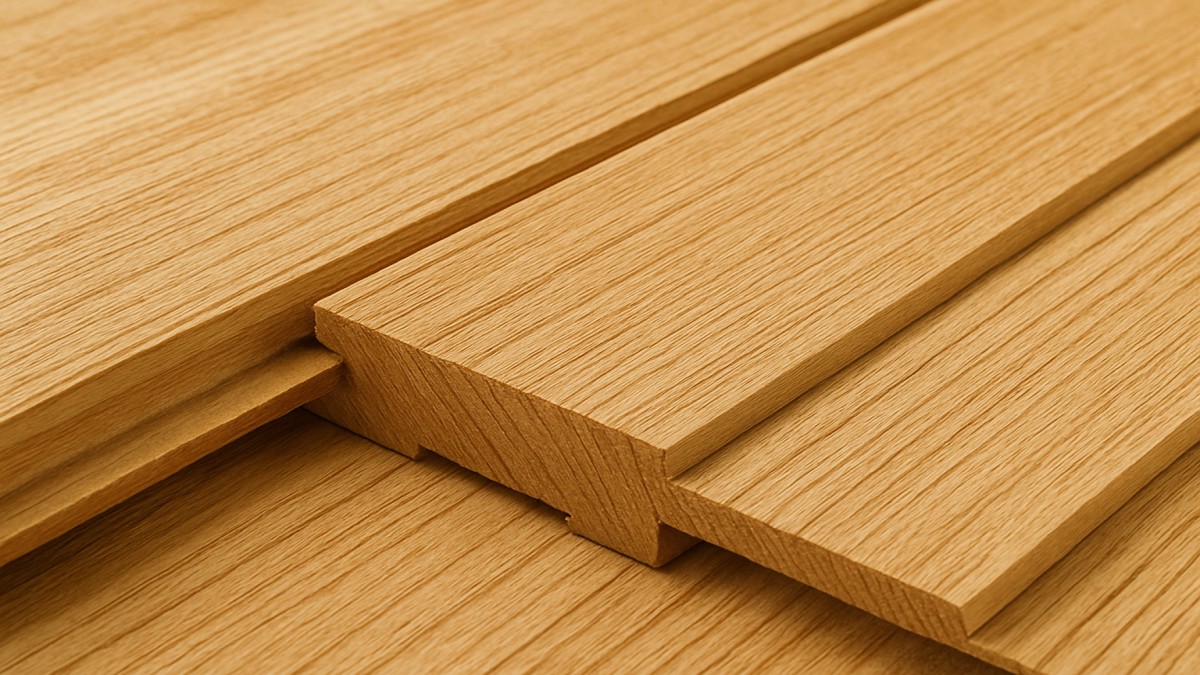
A tongue and groove joint involves two pieces that fit snugly together one with a protruding “tongue” and the other with a matching “groove.”
Basic Concept
When joined, they interlock perfectly to form a tight seam, minimizing gaps and ensuring stability. This makes the design ideal for panels, flooring, and ceilings where smoothness and strength matter.
How Tongue and Groove Works
The Tongue Part
The tongue is the narrow ridge on one edge of the board. It’s designed to slide precisely into the groove of another board.
The Groove Part
The groove is a matching slot on the opposite edge. It receives the tongue, creating a snug, interlocking fit.
The Interlocking Mechanism
When the two are pressed together, the connection is firm — reducing movement, squeaks, and misalignment. Think of it like puzzle pieces made of wood!
History and Origin
Early Woodworking Methods
Tongue and groove dates back to the 17th century, used by craftsmen to assemble furniture and wooden floors before modern adhesives existed.
Evolution into Modern Construction
Over time, it became a standard in home construction and interior design, especially for hardwood flooring and wall cladding.
Common Materials Used
Wood
Traditional and most popular — oak, pine, and cedar are common choices.
MDF and Plywood
Affordable and easier to handle, suitable for ceilings and wall panels.
Plastic and PVC Alternatives
Ideal for moisture-prone areas like bathrooms and kitchens, offering a waterproof option.
Applications of Tongue and Groove
Flooring
Perhaps the most famous application. Tongue and groove flooring provides a smooth, continuous surface that doesn’t shift or squeak.
Wall and Ceiling Panels
Used to add texture and elegance — often seen in wainscoting and shiplap-style interiors.
Cabinetry and Furniture
Ensures stable connections that resist warping over time.
Advantages of Tongue and Groove Joints
- Strong and Stable Connection: The interlock keeps boards aligned even under pressure.
- Seamless Appearance: No visible gaps — perfect for clean finishes.
- Easy Installation: Often used with click systems or simple adhesive setups.
Disadvantages to Consider
While tongue and groove is reliable, it’s not without flaws:
- Cost Factor: Precision machining adds to manufacturing costs.
- Moisture Sensitivity: Wood expansion can cause swelling or buckling.
- Repair Challenges: Damaged boards often need full replacement.
Tongue and Groove vs. Other Joint Types
Compared to Shiplap
Shiplap overlaps, creating visible seams — tongue and groove locks tightly, offering a smoother surface.
Compared to Dowel or Biscuit Joints
Dowel joints use separate pieces for alignment; tongue and groove is built directly into the material.
Tools and Equipment Needed
- Table Saw or Router
- Groove and Tongue Cutter Bits
- Measuring Tape and Marking Gauge
- Clamps and Adhesives
Step-by-Step Guide to Making Tongue and Groove
1. Measuring and Marking
Mark precise widths for the tongue and groove using a ruler or marking gauge.
2. Cutting the Tongue
Use a router or saw to cut a ridge along one board’s edge.
3. Cutting the Groove
Cut a corresponding slot into the other board.
4. Assembly
Apply adhesive if needed, align both pieces, and press them together firmly.
Tips for Perfect Fitting
- Maintain Precision: Even small errors cause loose or tight joints.
- Use Adhesive Wisely: Only where necessary — overuse causes warping.
- Sand and Finish Smoothly: Prevents splinters and improves aesthetics.
Maintenance and Care
Cleaning Methods
Regular dusting and mild cleaning agents keep the surface spotless.
Preventing Moisture Damage
Seal the joints and apply protective coatings to avoid expansion and rot.
Modern Uses and Trends
Today, tongue and groove isn’t just practical — it’s stylish. Homeowners use it for accent walls, rustic ceilings, and even outdoor decking. Eco-conscious builders also opt for recycled wood and sustainable materials.
Conclusion
Tongue and groove is more than just a joinery method — it’s a design solution that blends strength, aesthetics, and simplicity. Whether you’re crafting a hardwood floor or adding charm to your walls, this timeless technique guarantees precision and beauty with every fit.
FAQs
1. What is the main benefit of tongue and groove?
It provides a secure, seamless fit that prevents gaps and enhances durability.
2. Can I install tongue and groove panels myself?
Yes! With basic tools and careful measurement, DIY installation is very doable.
3. Is tongue and groove suitable for outdoor use?
Yes, if weather-treated wood or PVC panels are used.
4. What’s the difference between tongue and groove and click-lock flooring?
Click-lock systems are a modern evolution of tongue and groove, designed for easier snap installation.
5. How do I prevent moisture damage?
Seal and finish your boards properly, and control indoor humidity levels.

Dobutamine: Uses, Mechanism, Dosage, and Side Effects

Nopdle Magazine: Redefining Creative Culture Through Curated Innovation

Shop Easter Basket: The Ultimate Guide to Perfect Easter Gifts

Best Apps to Make Money Online USA (2026 Guide)

How to Start Affiliate Marketing with No Money

Freelance Jobs for Beginners USA (Start with No Experience)

Side Hustle Ideas from Home USA (No Experience Needed) – Beginner’s Guide

Online Jobs from Home USA (Daily Pay) – Start Earning Instantly

Beton Celular Autoclavizat: The Future of Lightweight, Eco-Friendly Construction

Goblets: A Timeless Symbol of Elegance and Celebration
Dobutamine: Uses, Mechanism, Dosage, and Side Effects

Ishraq Time in Delhi: What It Is, When It Happens, and Why It Matters
Beton Celular Autoclavizat: The Future of Lightweight, Eco-Friendly Construction

Read OPM Manga Online: Where and How to Enjoy One Punch Man Legally

Technisches Gymnasium: Your Gateway to Engineering and Technology

Why Every Small Business Needs a Digital Marketing Agency
Goblets: A Timeless Symbol of Elegance and Celebration
Nopdle Magazine: Redefining Creative Culture Through Curated Innovation

Gold Shower: Nature’s Cascading Yellow Wonder

The Indian Bow: A Legacy of Precision, Power, and Tradition
Dobutamine: Uses, Mechanism, Dosage, and Side Effects
Nopdle Magazine: Redefining Creative Culture Through Curated Innovation
Shop Easter Basket: The Ultimate Guide to Perfect Easter Gifts
Best Apps to Make Money Online USA (2026 Guide)
How to Start Affiliate Marketing with No Money
Freelance Jobs for Beginners USA (Start with No Experience)
Side Hustle Ideas from Home USA (No Experience Needed) – Beginner’s Guide
Online Jobs from Home USA (Daily Pay) – Start Earning Instantly
Beton Celular Autoclavizat: The Future of Lightweight, Eco-Friendly Construction
Goblets: A Timeless Symbol of Elegance and Celebration

 entertainment7 months ago
PYT Telegram: A Complete Guide to Understanding, Using, and Maximizing It

 entertainment7 months ago
OnionFlix: Everything You Need to Know About This Streaming Website
- others6 months ago
Nook vs Kindle: Which E-Reader Is Right for You?
- gaming7 months ago
Melisandre: The Enigmatic Priestess of Game of Thrones