others
Tongue Depressor: Uses, Benefits, and Everything You Need to Know

Introduction to Tongue Depressors
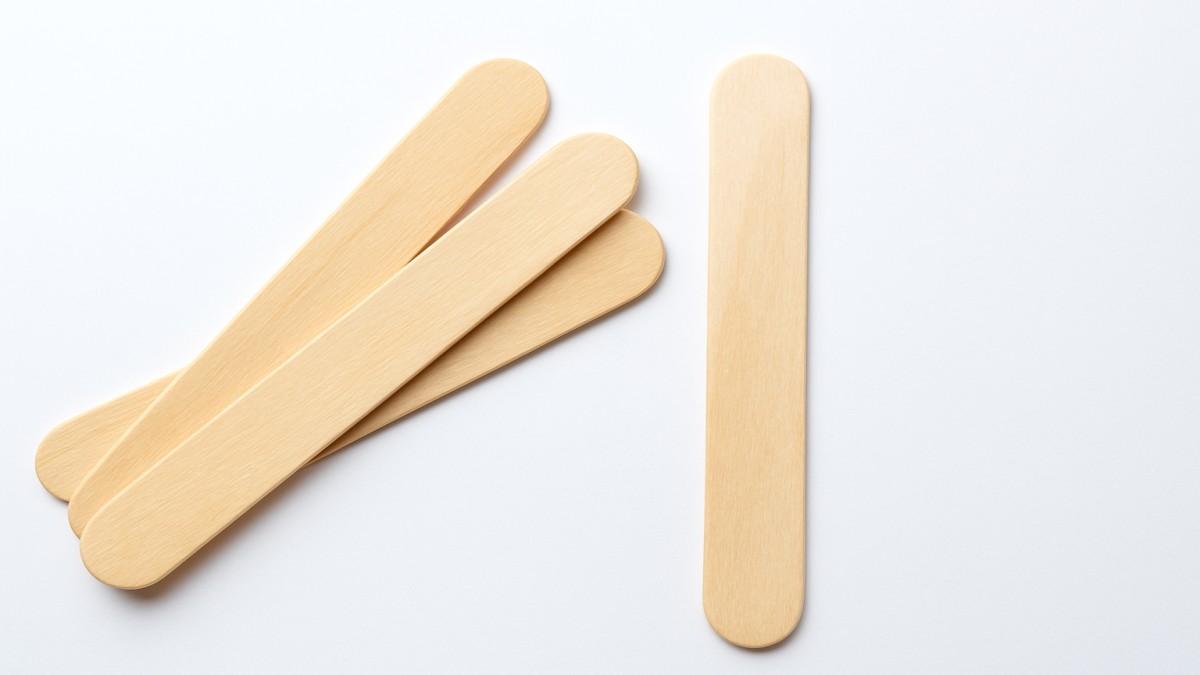
A tongue depressor may look like a simple flat stick, but it plays a big role in medicine. Doctors and dentists use it to press down the tongue so they can clearly see the mouth, throat, or tonsils. Though it appears basic, it’s a vital diagnostic tool. Interestingly, tongue depressors have been used for centuries, dating back to when physicians carved simple sticks to examine patients.
Types of Tongue Depressors
- Wooden tongue depressors: The most common, usually made from smooth birch wood.
- Plastic tongue depressors: Durable, often used in non-medical applications.
- Stainless steel tongue depressors: Reusable and sterilizable, used in some hospitals.
- Single-use vs reusable: Disposable wooden ones are most hygienic, while metal versions are eco-friendlier.
Primary Medical Uses
Tongue depressors are indispensable in healthcare. Doctors use them for:
- Oral examinations: To check for infections, ulcers, or swelling.
- Throat inspections: Helps diagnose tonsillitis, strep throat, or other conditions.
- Dental care: Dentists sometimes use them for cheek retraction or jaw support.
Non-Medical Uses of Tongue Depressors
These handy sticks go beyond hospitals:
- Arts and crafts: Popsicle sticks, models, and DIY projects.
- Culinary: Ice cream sticks or stirrers.
- Laboratories: Mixing chemicals safely.
- Industrial uses: Spreading adhesives or resins.
Benefits of Using Tongue Depressors
- Hygiene: Disposable options reduce infection risk.
- Affordable: Sold in bulk, making them cost-effective.
- Versatile: Useful in medical, educational, and creative fields.
How Tongue Depressors Are Made
Wooden ones are made from birch or aspen, cut into thin strips, sanded smooth, and sterilized. Some are wrapped individually for extra hygiene. Sterilization ensures they are safe for oral use.
Best Practices in Medical Settings
Healthcare providers must:
- Use sterile or properly packaged depressors.
- Discard them after a single use.
- Avoid reusing disposable ones to prevent cross-contamination.
Alternatives to Tongue Depressors
In rare cases, doctors may use dental mirrors, spatulas, or even gloved fingers. However, tongue depressors remain the safest and most practical choice.
Common Misconceptions
- Dangerous? No, they’re safe when used correctly.
- Splinters? High-quality wooden depressors are sanded smooth to prevent this.
- Reusable safe? Yes, if made of metal and properly sterilized.
Environmental Concerns
With growing sustainability awareness, biodegradable wooden depressors are encouraged. Plastic ones, however, contribute to waste, making wooden options more eco-friendly.
Tongue Depressors in Pediatrics
Doctors often use flavored or colored depressors to calm kids. These fun designs make the examination less intimidating and more comfortable.
Creative DIY Ideas with Tongue Depressors
- Kids’ crafts: Puppets, ornaments, or mini houses.
- Educational tools: Teaching counting or building models.
- Home use: DIY bookmarks or plant labels.
Buying Guide
Tongue depressors are available at:
- Pharmacies: For small packs.
- Medical supply stores: For hospitals or clinics.
- Online retailers: Bulk orders with discounted prices.
Always check for smoothness, quality, and packaging before buying.
Future of Tongue Depressors
Expect innovations like biodegradable materials, ergonomic designs, or even “smart” versions with built-in diagnostic sensors. The future is about combining simplicity with sustainability.
Conclusion
Though small and simple, tongue depressors are powerful tools in medicine and beyond. From saving lives in clinics to sparking creativity in classrooms, they prove that even the simplest objects can have incredible importance.
FAQs
1. Can tongue depressors be reused?
Only stainless steel ones can be reused if sterilized. Wooden depressors are disposable.
2. Are tongue depressors safe for kids?
Yes, especially the flavored or colored pediatric versions designed for children.
3. Can I buy tongue depressors for home use?
Absolutely! They’re widely available for crafts, cooking, or first aid kits.
4. Are they eco-friendly?
Wooden ones are biodegradable, making them the most sustainable choice.
5. What is the size of a standard tongue depressor?
Typically around 6 inches long and 0.75 inches wide.

Dobutamine: Uses, Mechanism, Dosage, and Side Effects

Nopdle Magazine: Redefining Creative Culture Through Curated Innovation

Shop Easter Basket: The Ultimate Guide to Perfect Easter Gifts

Best Apps to Make Money Online USA (2026 Guide)

How to Start Affiliate Marketing with No Money

Freelance Jobs for Beginners USA (Start with No Experience)

Side Hustle Ideas from Home USA (No Experience Needed) – Beginner’s Guide

Online Jobs from Home USA (Daily Pay) – Start Earning Instantly

Beton Celular Autoclavizat: The Future of Lightweight, Eco-Friendly Construction

Goblets: A Timeless Symbol of Elegance and Celebration
Dobutamine: Uses, Mechanism, Dosage, and Side Effects

Ishraq Time in Delhi: What It Is, When It Happens, and Why It Matters
Beton Celular Autoclavizat: The Future of Lightweight, Eco-Friendly Construction

Read OPM Manga Online: Where and How to Enjoy One Punch Man Legally

Technisches Gymnasium: Your Gateway to Engineering and Technology

Why Every Small Business Needs a Digital Marketing Agency
Goblets: A Timeless Symbol of Elegance and Celebration

Gold Shower: Nature’s Cascading Yellow Wonder
Nopdle Magazine: Redefining Creative Culture Through Curated Innovation

The Indian Bow: A Legacy of Precision, Power, and Tradition
Dobutamine: Uses, Mechanism, Dosage, and Side Effects
Nopdle Magazine: Redefining Creative Culture Through Curated Innovation
Shop Easter Basket: The Ultimate Guide to Perfect Easter Gifts
Best Apps to Make Money Online USA (2026 Guide)
How to Start Affiliate Marketing with No Money
Freelance Jobs for Beginners USA (Start with No Experience)
Side Hustle Ideas from Home USA (No Experience Needed) – Beginner’s Guide
Online Jobs from Home USA (Daily Pay) – Start Earning Instantly
Beton Celular Autoclavizat: The Future of Lightweight, Eco-Friendly Construction
Goblets: A Timeless Symbol of Elegance and Celebration

 entertainment7 months ago
PYT Telegram: A Complete Guide to Understanding, Using, and Maximizing It

 entertainment7 months ago
OnionFlix: Everything You Need to Know About This Streaming Website
- others6 months ago
Nook vs Kindle: Which E-Reader Is Right for You?
- gaming7 months ago
Melisandre: The Enigmatic Priestess of Game of Thrones