others
Understanding the TPMS Light: Causes, Fixes, and Safety Tips

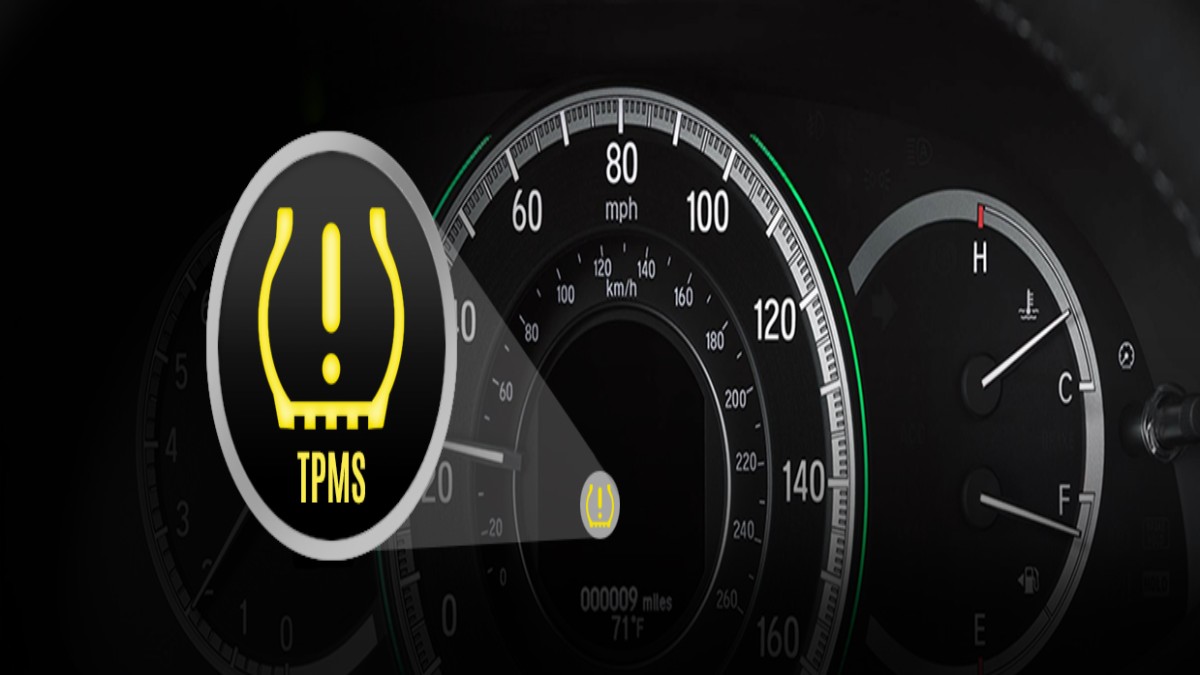
The TPMS light on your dashboard is one of those small but important warnings that drivers should never ignore. Short for Tire Pressure Monitoring System, this feature helps ensure your tires remain at a safe pressure level. Since proper tire pressure directly affects safety, fuel efficiency, and tire lifespan, knowing what the TPMS light means and how to respond can save you from costly repairs or even dangerous driving situations.
In this article, we’ll cover what the TPMS light is, common causes for it turning on, how to reset it, and tips to keep your tires in good shape.
What Is TPMS?
The Tire Pressure Monitoring System (TPMS) is a built-in safety feature in modern vehicles. Its job is to alert drivers when one or more tires are underinflated or, in rare cases, overinflated.
There are two main types of TPMS:
- Direct TPMS – Uses sensors installed inside the tires or wheels to measure pressure directly. Each sensor sends real-time data to the vehicle’s computer, which triggers the TPMS light if pressure drops below a set threshold.
- Indirect TPMS – Works with the car’s ABS (anti-lock braking system) wheel speed sensors. It doesn’t measure pressure directly but instead detects differences in tire rotation speed, which can indicate a flat or low tire.
What the TPMS Light Looks Like
The TPMS warning light is usually shaped like a horseshoe with an exclamation mark in the center (⚠️). Depending on your vehicle, you may see:
- Solid TPMS Light – At least one tire is significantly underinflated.
- Flashing TPMS Light – There may be a system malfunction, such as a faulty sensor or communication error.
Common Reasons the TPMS Light Turns On
The TPMS light doesn’t always mean a flat tire. Here are the most frequent causes:
1. Low Tire Pressure
The most common reason is simply low air pressure in one or more tires. This can happen due to:
- Natural air loss over time
- Driving on rough roads or potholes
- A slow leak caused by a puncture
2. Cold Weather
Tire pressure drops in colder temperatures. For every 10°F decrease, tires can lose about 1 PSI. This is why TPMS lights often appear during seasonal changes, especially in winter.
3. Overinflation
Although less common, overinflated tires can also trigger the TPMS light. Too much pressure makes tires rigid, reduces traction, and increases blowout risk.
4. Faulty TPMS Sensor
Sensors run on batteries that eventually die. A failing TPMS sensor can cause the light to flash or stay on even if your tire pressure is normal.
5. Recent Tire Service
After tire rotation, replacement, or alignment, the TPMS may need recalibration. Until it’s reset, the light might remain on.
What To Do When the TPMS Light Comes On
If your TPMS light turns on while driving, follow these steps:
- Check Your Tires – Pull over safely and visually inspect all four tires. If one looks noticeably low, you may have a puncture.
- Use a Tire Gauge – Measure the tire pressure with a reliable gauge. Compare the readings with the recommended PSI (found in your car’s manual or on the driver’s side door jamb).
- Inflate or Deflate – Adjust the air pressure as needed. Most gas stations have air pumps, but portable inflators are handy for emergencies.
- Drive for a Few Minutes – In many cars, the TPMS light will turn off after the system recognizes the corrected pressure.
- Seek Professional Help – If the light stays on despite proper pressure, you may need a mechanic to check for sensor issues.
Preventive Tips for TPMS and Tire Care
To minimize TPMS issues and extend tire life:
- Check tire pressure monthly – Don’t rely solely on the TPMS; use a manual gauge.
- Inspect tires before long trips – Look for cuts, punctures, or bulges.
- Rotate tires regularly – Helps maintain even wear and keeps sensors functioning correctly.
- Replace TPMS sensors every 5–7 years – Most sensor batteries don’t last beyond this range.
- Consider seasonal tire adjustments – Check more frequently during extreme temperature changes.
Conclusion
The TPMS light is not just another dashboard symbol—it’s a crucial safety alert. Whether it’s a simple drop in tire pressure or a failing sensor, addressing the issue promptly keeps your vehicle safe and efficient. By understanding how the system works, what triggers the warning, and how to reset it, drivers can avoid costly repairs and ensure a smoother driving experience.
Keeping your tires properly inflated doesn’t just prevent the TPMS light from flashing—it protects your safety, improves fuel economy, and extends the life of your tires. The next time that little horseshoe symbol appears, you’ll know exactly what to do.

Dobutamine: Uses, Mechanism, Dosage, and Side Effects

Nopdle Magazine: Redefining Creative Culture Through Curated Innovation

Shop Easter Basket: The Ultimate Guide to Perfect Easter Gifts

Best Apps to Make Money Online USA (2026 Guide)

How to Start Affiliate Marketing with No Money

Freelance Jobs for Beginners USA (Start with No Experience)

Side Hustle Ideas from Home USA (No Experience Needed) – Beginner’s Guide

Online Jobs from Home USA (Daily Pay) – Start Earning Instantly

Beton Celular Autoclavizat: The Future of Lightweight, Eco-Friendly Construction

Goblets: A Timeless Symbol of Elegance and Celebration
Dobutamine: Uses, Mechanism, Dosage, and Side Effects

Ishraq Time in Delhi: What It Is, When It Happens, and Why It Matters
Beton Celular Autoclavizat: The Future of Lightweight, Eco-Friendly Construction

Read OPM Manga Online: Where and How to Enjoy One Punch Man Legally

Technisches Gymnasium: Your Gateway to Engineering and Technology

Why Every Small Business Needs a Digital Marketing Agency
Goblets: A Timeless Symbol of Elegance and Celebration
Nopdle Magazine: Redefining Creative Culture Through Curated Innovation

Gold Shower: Nature’s Cascading Yellow Wonder

The Indian Bow: A Legacy of Precision, Power, and Tradition
Dobutamine: Uses, Mechanism, Dosage, and Side Effects
Nopdle Magazine: Redefining Creative Culture Through Curated Innovation
Shop Easter Basket: The Ultimate Guide to Perfect Easter Gifts
Best Apps to Make Money Online USA (2026 Guide)
How to Start Affiliate Marketing with No Money
Freelance Jobs for Beginners USA (Start with No Experience)
Side Hustle Ideas from Home USA (No Experience Needed) – Beginner’s Guide
Online Jobs from Home USA (Daily Pay) – Start Earning Instantly
Beton Celular Autoclavizat: The Future of Lightweight, Eco-Friendly Construction
Goblets: A Timeless Symbol of Elegance and Celebration

 entertainment7 months ago
PYT Telegram: A Complete Guide to Understanding, Using, and Maximizing It

 entertainment7 months ago
OnionFlix: Everything You Need to Know About This Streaming Website
- others6 months ago
Nook vs Kindle: Which E-Reader Is Right for You?
- gaming7 months ago
Melisandre: The Enigmatic Priestess of Game of Thrones