others
Uvulectomy: Procedure, Benefits, Risks & Complete Guide

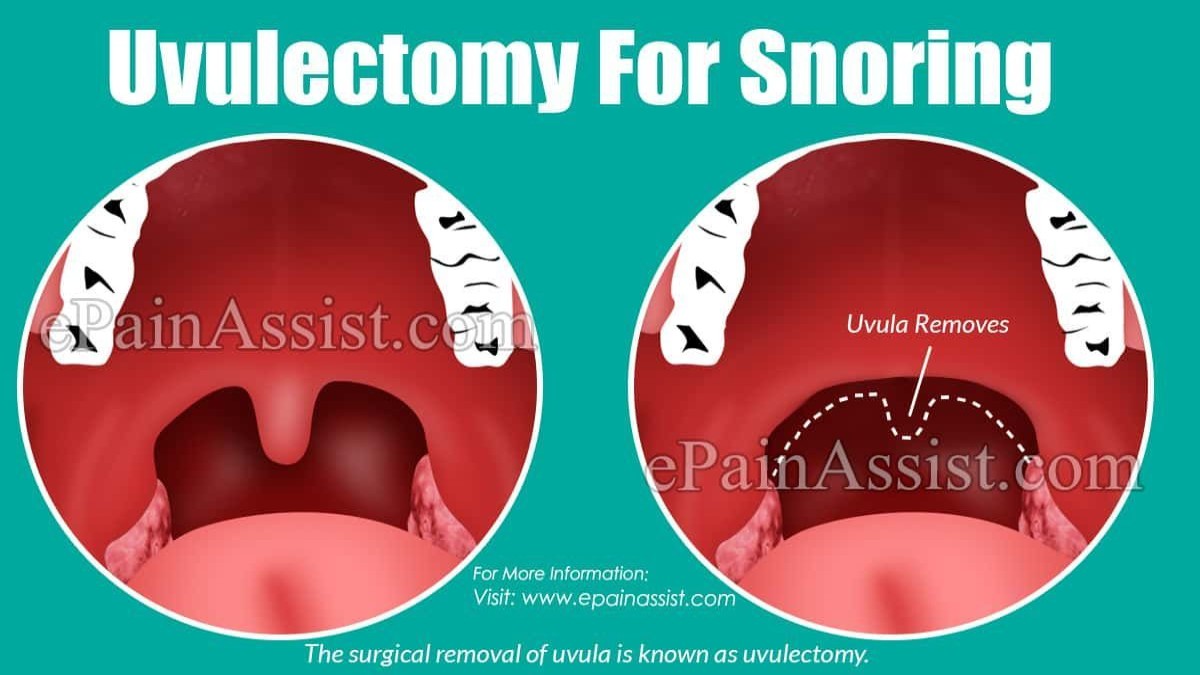
A uvulectomy may sound like a complicated medical term, but it refers to a fairly straightforward procedure—removal of the uvula, the small, dangling tissue at the back of your throat. While the idea of removing it may seem surprising, uvulectomy serves important medical purposes and, in some cultures, traditional ones. In this guide, we break down everything you need to know in an easy-to-understand way.
What Is Uvulectomy?
A uvulectomy is a surgical procedure that partially or completely removes the uvula. Doctors may recommend it to improve breathing, reduce severe snoring, or manage chronic throat problems.
Why the Procedure Is Performed
Many people undergo uvulectomy because of:
- Loud, persistent snoring
- Sleep apnea
- Recurrent throat infections
- Enlarged uvula causing choking or gagging
In some African regions, uvulectomy is performed as part of cultural tradition.
Understanding the Uvula
Structure and Location
The uvula is a small, teardrop-shaped piece of tissue hanging from the soft palate.
Functions of the Uvula
It helps with:
- Speech clarity
- Swallowing
- Producing saliva
- Preventing food from entering the nasal cavity
Although helpful, the body can function normally without it.
Reasons for Uvulectomy
Severe Snoring
An oversized uvula vibrates excessively during sleep, causing loud snoring.
Obstructive Sleep Apnea (OSA)
In OSA, tissues in the throat obstruct breathing. Removing the uvula can help widen the airway.
Chronic Infections
Recurring sore throats or uvulitis may require surgical treatment.
Uvula Enlargement (Uvulitis)
Swollen uvulas cause:
- Gagging
- Trouble swallowing
- Breathing discomfort
Cultural Practices
In some cultures, the uvula is traditionally removed in childhood, believed to improve health—though medically, this is unnecessary and risky.
Types of Uvulectomy
Partial Uvulectomy
Only part of the uvula is removed—typically used for mild snoring.
Complete Uvulectomy
The entire uvula is removed—more common for severe snoring or airway obstruction.
The Uvulectomy Procedure
Pre-Operative Evaluation
Doctors evaluate:
- Medical history
- Throat anatomy
- Sleep patterns
A sleep study may be required if OSA is suspected.
Surgical Techniques
Laser-Assisted Uvulectomy
A precise, low-bleeding method using laser technology.
Scalpel Removal
Traditional and effective.
Electrocautery
Uses heat to cut and seal blood vessels.
Duration and Anesthesia
The procedure usually takes 10–30 minutes and may involve local or general anesthesia.
Recovery After Uvulectomy
Healing Time
Most people recover within 1–2 weeks, though mild discomfort can last longer.
Pain Management
Doctors may recommend:
- Pain relievers
- Ice-cold drinks
- Gargling with saltwater
Eating and Drinking Guidelines
For the first few days:
- Avoid spicy foods
- Eat soft, cold foods (ice cream, yogurt)
- Stay hydrated
When to Seek Help
Seek medical attention if you notice:
- Excessive bleeding
- Severe fever
- Trouble breathing
Benefits of Uvulectomy
Reduced Snoring
Most patients notice a decrease in snoring volume.
Improved Breathing
Removing the uvula creates a clearer airway, especially during sleep.
Relief from Chronic Infections
People who suffer from repeated uvula-related infections may benefit significantly.
Risks and Side Effects
Like all surgeries, uvulectomy comes with risks.
Pain and Swelling
Common but temporary.
Bleeding
Rare but possible.
Infection
Proper aftercare reduces the risk.
Voice Changes
Some patients notice minor changes in vocal resonance.
Difficulty Swallowing
Temporary discomfort is normal.
Uvulectomy vs. UPPP (Uvulopalatopharyngoplasty)
Key Differences
- Uvulectomy removes only the uvula.
- UPPP removes more tissue, including parts of the soft palate.
Which One Is Recommended?
Doctors recommend UPPP for severe sleep apnea, while uvulectomy works well for snoring or mild OSA.
Myths and Misunderstandings
“Uvulectomy Stops All Snoring”
Not always—snoring can come from the tongue, nasal issues, or throat tissues.
“It Is a Simple Home Remedy”
This is dangerous—uvulectomy must always be performed by a medical professional.
“Everyone Needs It for Snoring”
Not true. Snoring has multiple causes; uvulectomy is only one option.
Cost, Availability & Global Practices
Medical Costs
Depending on region and hospital, costs vary widely.
Availability in Different Countries
Commonly available in ENT (Ear, Nose, Throat) clinics worldwide.
Cultural vs. Medical Uvulectomy
Cultural practices lack scientific basis and carry higher risks due to non-sterile conditions.
Conclusion
Uvulectomy is a medically useful procedure for snoring, sleep apnea, and chronic uvula-related discomfort. While the uvula plays a role in swallowing and speech, its removal generally does not affect daily life. With proper medical guidance and care, the procedure is safe and effective. However, it’s important to differentiate between medically recommended uvulectomy and risky cultural practices. Always consult qualified healthcare professionals before making a decision.
FAQs
1. Does removing the uvula stop snoring?
It helps many people but does not guarantee complete elimination of snoring.
2. Is uvulectomy painful?
You may experience discomfort for a week or two, but pain medication helps.
3. Can I eat normally after the surgery?
Soft, cold foods are recommended initially; normal eating resumes gradually.
4. Is the procedure safe?
Yes, when performed by trained medical professionals.
5. Will my voice change after uvulectomy?
Minor temporary changes may occur, but most people notice no long-term difference.

Dobutamine: Uses, Mechanism, Dosage, and Side Effects

Nopdle Magazine: Redefining Creative Culture Through Curated Innovation

Shop Easter Basket: The Ultimate Guide to Perfect Easter Gifts

Best Apps to Make Money Online USA (2026 Guide)

How to Start Affiliate Marketing with No Money

Freelance Jobs for Beginners USA (Start with No Experience)

Side Hustle Ideas from Home USA (No Experience Needed) – Beginner’s Guide

Online Jobs from Home USA (Daily Pay) – Start Earning Instantly

Beton Celular Autoclavizat: The Future of Lightweight, Eco-Friendly Construction

Goblets: A Timeless Symbol of Elegance and Celebration
Dobutamine: Uses, Mechanism, Dosage, and Side Effects

Ishraq Time in Delhi: What It Is, When It Happens, and Why It Matters
Beton Celular Autoclavizat: The Future of Lightweight, Eco-Friendly Construction

Read OPM Manga Online: Where and How to Enjoy One Punch Man Legally

Technisches Gymnasium: Your Gateway to Engineering and Technology

Why Every Small Business Needs a Digital Marketing Agency
Goblets: A Timeless Symbol of Elegance and Celebration
Nopdle Magazine: Redefining Creative Culture Through Curated Innovation

Gold Shower: Nature’s Cascading Yellow Wonder

The Indian Bow: A Legacy of Precision, Power, and Tradition
Dobutamine: Uses, Mechanism, Dosage, and Side Effects
Nopdle Magazine: Redefining Creative Culture Through Curated Innovation
Shop Easter Basket: The Ultimate Guide to Perfect Easter Gifts
Best Apps to Make Money Online USA (2026 Guide)
How to Start Affiliate Marketing with No Money
Freelance Jobs for Beginners USA (Start with No Experience)
Side Hustle Ideas from Home USA (No Experience Needed) – Beginner’s Guide
Online Jobs from Home USA (Daily Pay) – Start Earning Instantly
Beton Celular Autoclavizat: The Future of Lightweight, Eco-Friendly Construction
Goblets: A Timeless Symbol of Elegance and Celebration

 entertainment7 months ago
PYT Telegram: A Complete Guide to Understanding, Using, and Maximizing It

 entertainment7 months ago
OnionFlix: Everything You Need to Know About This Streaming Website
- others6 months ago
Nook vs Kindle: Which E-Reader Is Right for You?
- gaming7 months ago
Melisandre: The Enigmatic Priestess of Game of Thrones