others
Variegated: Meaning, Types, Causes & Uses in Plants, Design, and Everyday Life

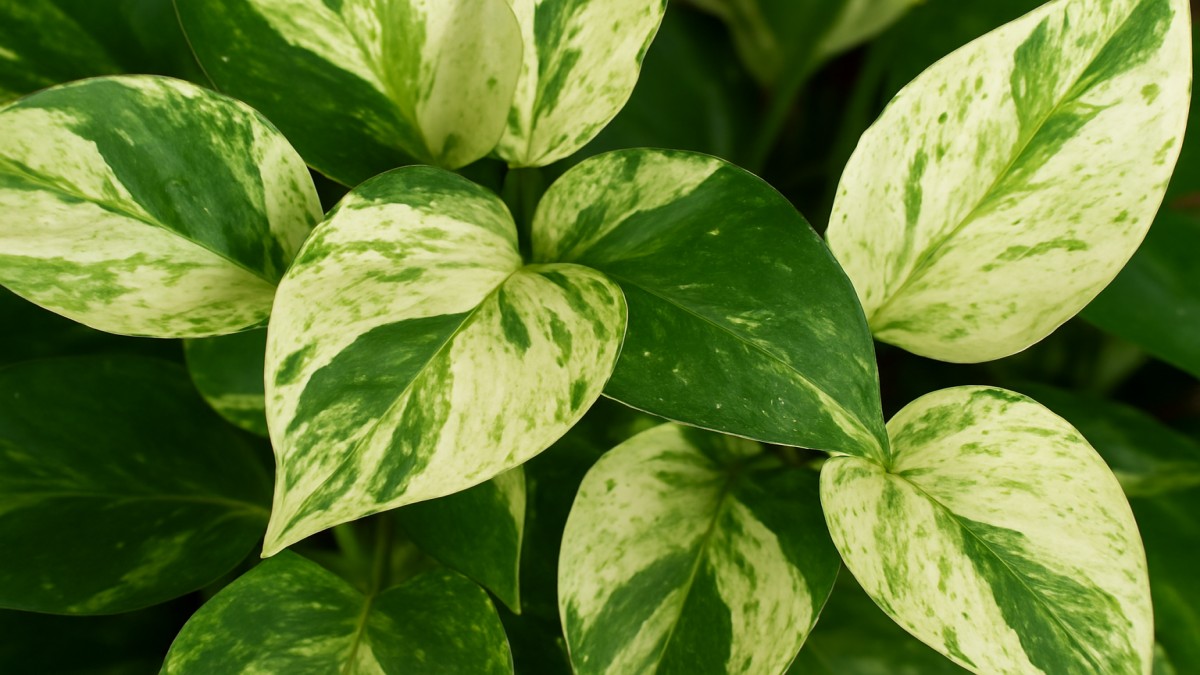
The word “variegated” may sound technical, but you’ve likely seen it all around you on houseplants with multicolored leaves, in textiles with patterned fabrics, or even in landscapes where nature displays beautiful variations of color. The term refers to anything that features different colors, patches, streaks, or patterns. While commonly used in botany, “variegated” also applies to animals, objects, and design.
This article explores what variegation is, why it happens, and how it influences fields like horticulture, interior design, and art.
What Does “Variegated” Mean?
The word “variegated” means exhibiting different colors, especially as irregular patterns of:
- Spots
- Streaks
- Patches
- Edges
It typically describes plants, but the term can be applied to anything with multicolored variation.
Variegation in Plants
Variegated plants are incredibly popular because of their decorative and unique appearance. Their leaves often show combinations of:
- Green
- White
- Yellow
- Cream
- Pink
- Red
These color variations make them stand out compared to normal green foliage.
Types of Plant Variegation
There are several types of variegation, each caused by different factors:
1. Chimeral Variegation
This is the most common form.
It occurs when a plant has two genetically different types of cells—some produce chlorophyll (green), while others do not (white/cream).
Characteristics:
- Uneven patches
- Border or marble-like patterns
2. Pattern-Gene Variegation
This type is genetic and inherited from the parent plant.
The leaf patterns remain stable across new growth.
Examples:
- Calathea
- Some varieties of hostas
3. Blister or Reflective Variegation
Air pockets form beneath the leaf surface, reflecting light and giving a silvery appearance.
Seen in:
- Pilea
- Begonia species
4. Viral Variegation
Caused by plant viruses that affect chlorophyll production.
This type is rare and often unintentional.
What Causes Variegation in Plants?
Variegation can occur due to:
1. Genetic Mutation
Spontaneous changes in DNA create patches of non-green cells.
2. Environmental Factors
Temperature, sunlight, or stress may influence pigment production.
3. Viral Infection
Some viruses cause beautiful patterns, although the plant may become weaker.
4. Cultivation Techniques
Growers often propagate variegated cuttings to preserve desirable patterns.
Why Are Variegated Plants So Popular?
Variegated plants add texture, detail, and contrast to indoor and outdoor spaces. Their popularity stems from:
1. Aesthetic Appeal
No two variegated leaves are identical—each is like a piece of natural art.
2. Rarity
Naturally variegated plants are less common and often more expensive.
3. Interior Design Value
They brighten shaded areas where solid green foliage may blend in too much.
4. Social Media Influence
Variegated monstera and philodendron varieties have exploded in popularity due to Instagram and plant-lover communities.
Common Variegated Plant Examples
1. Variegated Monstera
Features white or cream splashes, often called “Monstera Albo.”
2. Variegated Rubber Plant
Red, cream, and green tones create a vibrant tri-color effect.
3. Variegated Snake Plant
Yellow-edged leaves make it a beginner-friendly favorite.
4. Variegated Hosta
Gardeners love hostas for their patterned leaves and durability.
5. Variegated Pothos
Classic indoor plant with marbled white or golden streaks.
Care Tips for Variegated Plants
Variegated plants often need slightly different care from fully green ones.
1. Provide Bright, Indirect Light
Because variegated leaves have less chlorophyll, they need more light to thrive.
2. Avoid Overwatering
Most variegated plants do better with moderate watering.
3. Maintain Humidity
Tropical variegated plants like higher humidity.
4. Prune Reverted Leaves
If a branch starts producing fully green leaves, they may take over.
Variegated in Animals
The term “variegated” is not just botanical.
Some animals show naturally variegated or mottled patterns.
Examples:
- Variegated squirrels
- Variegated butterflies
- Reptiles with patchy skin patterns
These color variations often aid in camouflage or display.
Conclusion
“Variegated” refers to the beautiful variations of color found across plants, animals, objects, and even landscapes. Whether in horticulture or art, variegation adds depth, creativity, and uniqueness to the world around us. While variegated plants can be more delicate, their distinctive appearance makes them highly prized among gardeners and designers. Understanding how variegation works helps us better appreciate these stunning natural patterns.
FAQs
1. What does variegated mean in simple words?
It means something has different colors or irregular patterns.
2. Why do plants become variegated?
Variegation happens due to genetic mutation, environmental factors, viruses, or selective breeding.
3. Do variegated plants need more light?
Yes. Less chlorophyll means they require brighter, indirect light.
4. Can variegated leaves turn green again?
Yes, in many plants variegation can revert due to stress or low light.
5. Are variegated plants more expensive?
Usually, yes—because they grow slower and are rarer.

Dobutamine: Uses, Mechanism, Dosage, and Side Effects

Nopdle Magazine: Redefining Creative Culture Through Curated Innovation

Shop Easter Basket: The Ultimate Guide to Perfect Easter Gifts

Best Apps to Make Money Online USA (2026 Guide)

How to Start Affiliate Marketing with No Money

Freelance Jobs for Beginners USA (Start with No Experience)

Side Hustle Ideas from Home USA (No Experience Needed) – Beginner’s Guide

Online Jobs from Home USA (Daily Pay) – Start Earning Instantly

Beton Celular Autoclavizat: The Future of Lightweight, Eco-Friendly Construction

Goblets: A Timeless Symbol of Elegance and Celebration
Dobutamine: Uses, Mechanism, Dosage, and Side Effects

Ishraq Time in Delhi: What It Is, When It Happens, and Why It Matters
Beton Celular Autoclavizat: The Future of Lightweight, Eco-Friendly Construction

Read OPM Manga Online: Where and How to Enjoy One Punch Man Legally

Technisches Gymnasium: Your Gateway to Engineering and Technology

Why Every Small Business Needs a Digital Marketing Agency
Goblets: A Timeless Symbol of Elegance and Celebration
Nopdle Magazine: Redefining Creative Culture Through Curated Innovation

Gold Shower: Nature’s Cascading Yellow Wonder

The Indian Bow: A Legacy of Precision, Power, and Tradition
Dobutamine: Uses, Mechanism, Dosage, and Side Effects
Nopdle Magazine: Redefining Creative Culture Through Curated Innovation
Shop Easter Basket: The Ultimate Guide to Perfect Easter Gifts
Best Apps to Make Money Online USA (2026 Guide)
How to Start Affiliate Marketing with No Money
Freelance Jobs for Beginners USA (Start with No Experience)
Side Hustle Ideas from Home USA (No Experience Needed) – Beginner’s Guide
Online Jobs from Home USA (Daily Pay) – Start Earning Instantly
Beton Celular Autoclavizat: The Future of Lightweight, Eco-Friendly Construction
Goblets: A Timeless Symbol of Elegance and Celebration

 entertainment7 months ago
PYT Telegram: A Complete Guide to Understanding, Using, and Maximizing It

 entertainment7 months ago
OnionFlix: Everything You Need to Know About This Streaming Website
- others6 months ago
Nook vs Kindle: Which E-Reader Is Right for You?
- gaming7 months ago
Melisandre: The Enigmatic Priestess of Game of Thrones