food
What Is Wheat Germ? A Complete Guide to Its Benefits, Uses, and Nutrition

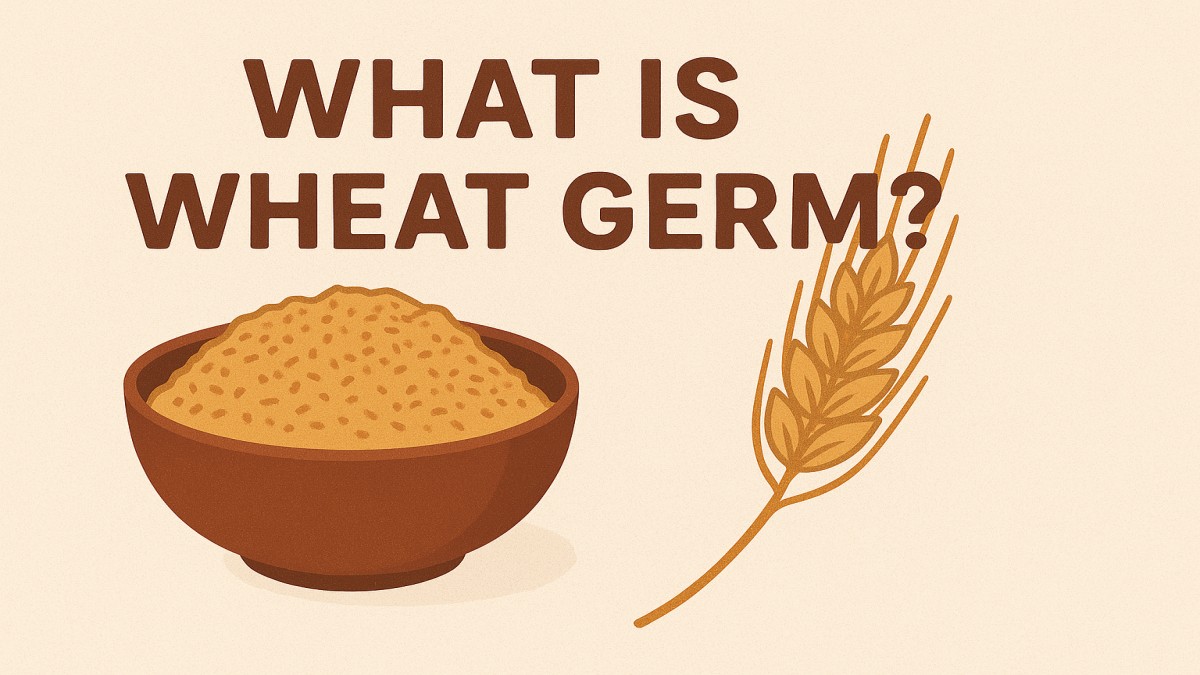
What Is Wheat Germ. Wheat has been a staple food for centuries, but many people don’t realize that the tiny nutrient-rich heart of the wheat kernel called wheat germ is one of the most powerful superfoods available. Packed with vitamins, minerals, protein, and antioxidants, wheat germ is often used to boost overall health and enhance daily nutrition.
Let’s dive into everything you need to know.
What Is Wheat Germ?
Wheat germ is the embryo of the wheat kernel—the part that grows into a new wheat plant. Though it makes up only a small portion of the grain, it contains the highest concentration of nutrients, making it incredibly valuable.
Understanding the Structure of a Wheat Kernel
A wheat kernel has three main parts:
- Bran – The outer fiber-rich layer
- Endosperm – The starchy middle layer
- Germ – The nutrient-dense core
The germ is removed during most commercial wheat processing to increase shelf life, which means many refined grain products lose this vital nutrition.
Why Wheat Germ Is Considered a Superfood
Wheat germ is nutrient-dense and offers:
- High-quality protein
- Essential fatty acids
- Antioxidants
- A wide range of vitamins and minerals
Its compact nutritional value has earned it a reputation as a natural health booster.
Nutritional Profile of Wheat Germ
Wheat germ is small, but its nutrition is powerful.
Vitamins Found in Wheat Germ
Vitamin E
Wheat germ is one of the richest natural sources of vitamin E, a strong antioxidant that helps protect cells from damage and supports skin health.
B Vitamins
It contains several B vitamins including:
- B1 (Thiamine)
- B2 (Riboflavin)
- B6
- Folate
These support energy production, brain function, and cell growth.
Minerals in Wheat Germ
Some essential minerals include:
- Magnesium
- Phosphorus
- Zinc
- Iron
- Selenium
These minerals support immunity, bone health, and metabolism.
Healthy Fats, Protein, and Fiber
Wheat germ contains:
- Healthy fatty acids for heart and brain support
- Plant-based protein for muscle repair
- Dietary fiber for digestion
Health Benefits of Wheat Germ
Boosts Immunity
Its vitamins and minerals—especially vitamin E, zinc, and antioxidants—help strengthen the immune system.
Supports Heart Health
Wheat germ contains omega-3 fatty acids and fiber, which help reduce cholesterol levels and support cardiovascular wellness.
Improves Digestive Health
Thanks to its fiber content, wheat germ promotes smooth digestion and prevents constipation.
Helps in Muscle Development
Wheat germ is a natural source of protein and amino acids, ideal for muscle recovery and growth.
Aids in Skin and Hair Health
Vitamin E, antioxidants, and healthy fats help improve:
- Skin hydration
- Elasticity
- Hair shine and strength
Provides Antioxidants
Wheat germ is packed with antioxidant compounds that fight oxidative stress and aging.
How Wheat Germ Is Used
Raw Wheat Germ
Soft and nutty, raw wheat germ can be sprinkled over cereals, salads, and yogurt.
Toasted Wheat Germ
Toasting enhances its flavor, making it perfect for baking and cooking.
Wheat Germ Oil
This oil is rich in vitamin E and often used in:
- Cooking
- Skincare
- Nutritional supplements
Supplements
Powder or capsule forms make it easy for people to add wheat germ to their diet.
How to Add Wheat Germ to Your Diet
Breakfast Ideas
- Stir into oatmeal
- Mix with yogurt
- Add to pancake or waffle batter
Baking and Cooking
Use wheat germ in:
- Muffins
- Bread
- Cookies
- Casseroles
Smoothies and Snacks
Add it to smoothies, energy balls, or protein shakes for an instant nutrient boost.
Conclusion
Wheat germ is a tiny part of the wheat kernel, but it packs enormous nutritional power. Rich in vitamins, minerals, healthy fats, and protein, it supports immunity, heart health, digestion, and skin wellness. Whether you sprinkle it on breakfast or use it in baking, adding wheat germ to your diet is an easy and natural way to boost everyday nutrition.
FAQs
1. Is wheat germ good for weight loss?
Yes, in moderation. Its fiber can help you stay full longer, but it is calorie-dense.
2. Can I eat wheat germ every day?
Yes, most people can safely consume 1–2 tablespoons daily.
3. Does wheat germ have gluten?
Yes. It is not suitable for people with gluten intolerance or celiac disease.
4. What does wheat germ taste like?
It has a mild, nutty flavor that blends well in both sweet and savory dishes.
5. How should I store wheat germ?
Refrigerate it to prevent the natural oils from becoming rancid.

Freelance Jobs for Beginners USA (Start with No Experience)

Side Hustle Ideas from Home USA (No Experience Needed) – Beginner’s Guide

Online Jobs from Home USA (Daily Pay) – Start Earning Instantly

Beton Celular Autoclavizat: The Future of Lightweight, Eco-Friendly Construction

Goblets: A Timeless Symbol of Elegance and Celebration

AI Tools for Making Money Online Free (Best 2026 Guide)

Passive Income Apps USA Free: Earn Money Effortlessly in 2026

How to Earn Money from Home Without Investment

ChatGPT Alternatives Free No Login (2026 Guide)

Everything You Need to Know About Koeas

Ishraq Time in Delhi: What It Is, When It Happens, and Why It Matters
Beton Celular Autoclavizat: The Future of Lightweight, Eco-Friendly Construction

Read OPM Manga Online: Where and How to Enjoy One Punch Man Legally

Technisches Gymnasium: Your Gateway to Engineering and Technology

Why Every Small Business Needs a Digital Marketing Agency
Goblets: A Timeless Symbol of Elegance and Celebration

Gold Shower: Nature’s Cascading Yellow Wonder

The Indian Bow: A Legacy of Precision, Power, and Tradition

Robert Provost: A Life of Leadership, Community, and Vision

Are Political Donations Tax Deductible?
Freelance Jobs for Beginners USA (Start with No Experience)
Side Hustle Ideas from Home USA (No Experience Needed) – Beginner’s Guide
Online Jobs from Home USA (Daily Pay) – Start Earning Instantly
Beton Celular Autoclavizat: The Future of Lightweight, Eco-Friendly Construction
Goblets: A Timeless Symbol of Elegance and Celebration
AI Tools for Making Money Online Free (Best 2026 Guide)
Passive Income Apps USA Free: Earn Money Effortlessly in 2026
How to Earn Money from Home Without Investment
ChatGPT Alternatives Free No Login (2026 Guide)
Everything You Need to Know About Koeas

 entertainment7 months ago
PYT Telegram: A Complete Guide to Understanding, Using, and Maximizing It

 entertainment7 months ago
OnionFlix: Everything You Need to Know About This Streaming Website
- others6 months ago
Nook vs Kindle: Which E-Reader Is Right for You?
- gaming7 months ago
Melisandre: The Enigmatic Priestess of Game of Thrones