food
Armenian Cucumber: The Crisp, Refreshing Wonder You Need in Your Kitchen

Introduction
Ever heard of a cucumber that’s technically a melon? Meet the Armenian cucumber, also known as the yard-long cucumber or snake melon. This slender, curvy vegetable is crisp, refreshing, and perfect for salads, sandwiches, or snacking straight from the garden. Despite its name, it’s not a true cucumber but once you try it, you might not care about the difference!
Origin and History
The Armenian cucumber traces its roots back to the ancient Middle East, particularly Armenia and neighboring regions. It’s been cultivated for centuries for its flavor and adaptability to warm, dry climates. Known in Armenian as “Yerevani Varung,” this vegetable traveled along trade routes to the Mediterranean and eventually found fans across Asia, Europe, and the Americas.
Botanical Classification
Interestingly, the Armenian cucumber belongs to the melon family (Cucumis melo var. flexuosus), not the cucumber family (Cucumis sativus). Despite this, it looks and tastes just like a cucumber — with a slightly more delicate and less bitter flavor.
Its classification explains its mild sweetness, thin skin, and its ability to grow much longer than ordinary cucumbers — sometimes up to three feet long!
Appearance and Characteristics
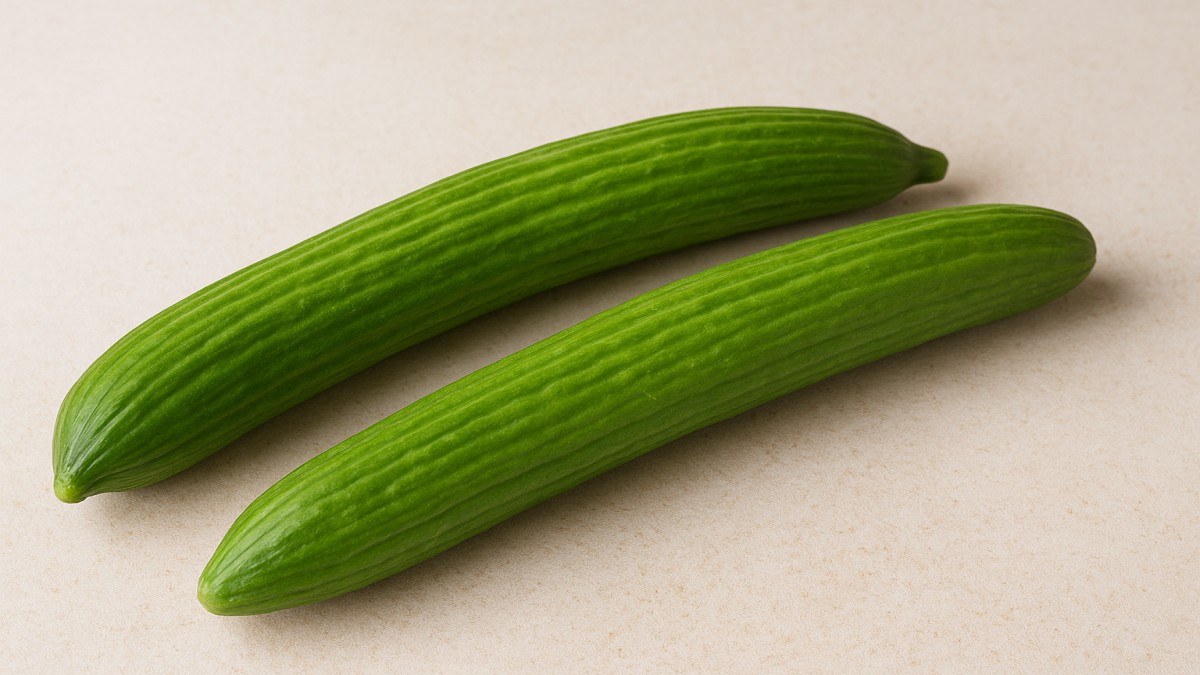
Armenian cucumbers are easy to spot:
- Shape: Long, slender, often curled or twisted.
- Skin: Light green with thin, ridged lines.
- Texture: Firm, crisp, and juicy.
- Flavor: Mild, slightly sweet, and never bitter — even with the skin on.
You don’t need to peel them, and their soft seeds make them perfect for slicing or eating whole.
Nutritional Value
If you’re looking for a low-calorie, hydrating snack, this is it. A 100-gram serving of Armenian cucumber provides:
- Calories: ~15
- Water: Over 95%
- Vitamins: A, C, and K
- Minerals: Potassium, magnesium, and calcium
- Fiber: A good dose for digestion
It’s a fantastic choice for those seeking hydration, detox, and gut health support — all in one crunchy bite.
Growing Armenian Cucumbers
You don’t have to be an expert gardener to grow Armenian cucumbers. They thrive in warm climates and can be trained to grow along trellises, saving garden space.
Steps to Grow:
- Plant seeds after the last frost.
- Choose a sunny spot with at least 6–8 hours of sunlight daily.
- Keep the soil loose and well-drained.
- Space the plants about 12 inches apart.
- Harvest when the cucumbers reach 12–18 inches for the best taste.
Soil and Water Requirements
Armenian cucumbers love slightly sandy soil that drains well. Add compost or organic fertilizer for richer growth.
Water them deeply but infrequently — overwatering can lead to root rot. The key is consistent moisture, especially during flowering and fruiting stages.
Harvesting and Storage
When ready to harvest, Armenian cucumbers should feel firm and slightly glossy. The best time to pick them is when they’re about 12–20 inches long. Larger ones may lose their crunch.
Storage Tip:
Wrap them in a paper towel and store them in a plastic bag in the refrigerator. They’ll stay fresh for up to a week.
Culinary Uses
This versatile vegetable is a cook’s dream! You can eat it raw, sautéed, or even pickled.
Conclusion
The Armenian cucumber is proof that simple foods can be extraordinary. Crisp, refreshing, and incredibly versatile, it’s more than just a salad ingredient — it’s a bridge between the familiar and the exotic. Whether you grow it, slice it, or pickle it, this humble vegetable adds a burst of freshness to any dish. So, next time you spot one at your local market, grab it — your taste buds will thank you!
FAQs
1. Is Armenian cucumber a real cucumber?
No, it’s technically a type of melon, but it tastes and looks just like a cucumber.
2. Can you eat the skin of Armenian cucumber?
Absolutely! The skin is thin and tender — no peeling needed.
3. How long does it take to grow Armenian cucumbers?
Usually around 55–70 days from seed to harvest.
4. What’s the best way to store Armenian cucumbers?
Keep them refrigerated in a slightly damp paper towel and plastic bag.
5. Can you pickle Armenian cucumbers?
Yes! They make excellent pickles — crunchy and flavorful.

Freelance Jobs for Beginners USA (Start with No Experience)

Side Hustle Ideas from Home USA (No Experience Needed) – Beginner’s Guide

Online Jobs from Home USA (Daily Pay) – Start Earning Instantly

Beton Celular Autoclavizat: The Future of Lightweight, Eco-Friendly Construction

Goblets: A Timeless Symbol of Elegance and Celebration

AI Tools for Making Money Online Free (Best 2026 Guide)

Passive Income Apps USA Free: Earn Money Effortlessly in 2026

How to Earn Money from Home Without Investment

ChatGPT Alternatives Free No Login (2026 Guide)

Everything You Need to Know About Koeas

Ishraq Time in Delhi: What It Is, When It Happens, and Why It Matters
Beton Celular Autoclavizat: The Future of Lightweight, Eco-Friendly Construction

Read OPM Manga Online: Where and How to Enjoy One Punch Man Legally

Technisches Gymnasium: Your Gateway to Engineering and Technology

Why Every Small Business Needs a Digital Marketing Agency
Goblets: A Timeless Symbol of Elegance and Celebration

Gold Shower: Nature’s Cascading Yellow Wonder

The Indian Bow: A Legacy of Precision, Power, and Tradition

Robert Provost: A Life of Leadership, Community, and Vision

Are Political Donations Tax Deductible?
Freelance Jobs for Beginners USA (Start with No Experience)
Side Hustle Ideas from Home USA (No Experience Needed) – Beginner’s Guide
Online Jobs from Home USA (Daily Pay) – Start Earning Instantly
Beton Celular Autoclavizat: The Future of Lightweight, Eco-Friendly Construction
Goblets: A Timeless Symbol of Elegance and Celebration
AI Tools for Making Money Online Free (Best 2026 Guide)
Passive Income Apps USA Free: Earn Money Effortlessly in 2026
How to Earn Money from Home Without Investment
ChatGPT Alternatives Free No Login (2026 Guide)
Everything You Need to Know About Koeas

 entertainment7 months ago
PYT Telegram: A Complete Guide to Understanding, Using, and Maximizing It

 entertainment7 months ago
OnionFlix: Everything You Need to Know About This Streaming Website
- others6 months ago
Nook vs Kindle: Which E-Reader Is Right for You?
- gaming7 months ago
Melisandre: The Enigmatic Priestess of Game of Thrones