Health
Biosensing and Bioelectronics: Bridging Biology and Technology for a Smarter Future

Introduction to Biosensing and Bioelectronics
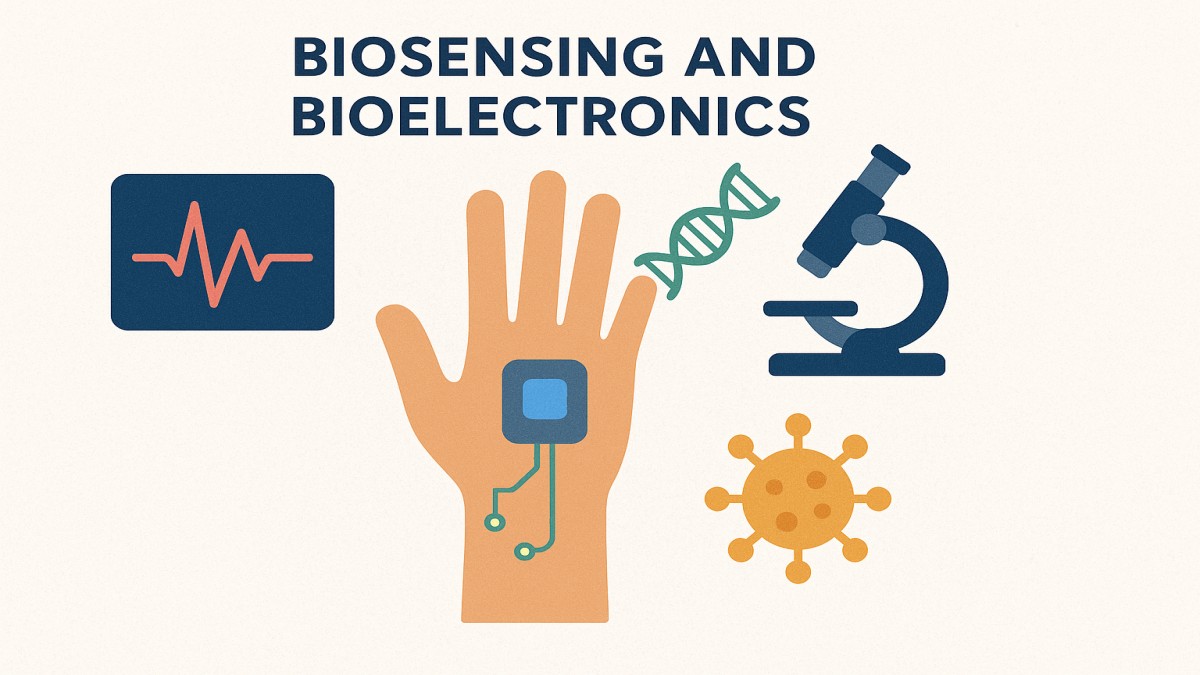
In a world where technology and biology are merging faster than ever, biosensing and bioelectronics stand at the forefront of innovation. These fields combine life sciences and engineering to detect, measure, and analyze biological processes with remarkable accuracy. From smartwatches that monitor your heart rate to advanced medical diagnostics that can detect diseases in minutes, biosensing is transforming how we interact with health, nature, and technology.
What Are Biosensors?
Definition and Function
A biosensor is a device that detects biological molecules—like glucose, proteins, or pathogens and converts that information into measurable electrical signals. Simply put, it’s a tiny analytical system that can tell you what’s happening inside your body or environment.
Core Components of a Biosensor
- Bioreceptor: A biological element such as enzymes, antibodies, or DNA that recognizes a specific substance.
- Transducer: Converts the biological response into a measurable electrical signal.
- Signal Processor: Interprets the signal and displays results, often through digital output.
Understanding Bioelectronics
Definition and Scope
Bioelectronics is a multidisciplinary field combining biology, physics, and electronics to create devices that interact with biological systems. These devices can sense, process, or even stimulate biological activities using electronic systems.
How It Connects Biology with Electronics
Imagine a bridge between living cells and microchips — that’s bioelectronics. It allows for real-time communication between biological systems and electronic devices, paving the way for innovations like bionic limbs, neural implants, and digital health sensors.
The Relationship Between Biosensing and Bioelectronics
While biosensing focuses on detecting biological substances, bioelectronics provides the hardware and signal processing that make sensing possible. Together, they form the backbone of modern diagnostic and monitoring systems used in healthcare, environmental science, and industry.
How Biosensors Work
Biological Recognition Elements
Biosensors rely on bioreceptors—like enzymes or antibodies—that bind specifically to the target analyte (the molecule to be detected).
Signal Transduction
Once the analyte binds, a transducer converts that interaction into an electrical, optical, or thermal signal.
Data Interpretation
The signal is then processed and displayed, providing a clear measurement of the target molecule or condition.
Types of Biosensors
1. Electrochemical Biosensors
These are the most common type, converting biochemical reactions into electrical signals. Example: glucose meters used by diabetics.
2. Optical Biosensors
Use light signals to detect changes in biological samples, often used in DNA analysis or pathogen detection.
3. Piezoelectric Biosensors
Detect mass changes on a sensor’s surface by measuring vibration frequency shifts.
4. Thermal Biosensors
Measure the heat released or absorbed during biochemical reactions.
Applications of Biosensing and Bioelectronics
Medical Diagnostics
Biosensors revolutionize diagnostics by providing rapid, accurate, and non-invasive testing. From blood sugar monitors to COVID-19 rapid tests, they enable real-time health monitoring.
Environmental Monitoring
They detect pollutants, toxins, and microorganisms in air, water, or soil — vital for early warning systems in environmental safety.
Food Safety and Quality Testing
Biosensors ensure the freshness, safety, and authenticity of food products by detecting contaminants like bacteria, pesticides, or allergens.
Industrial and Agricultural Uses
In agriculture, biosensors track soil nutrients, plant health, and disease outbreaks. Industrially, they monitor fermentation and biochemical processes.
Role in Healthcare
Glucose Monitoring
One of the most successful biosensing applications is the glucose biosensor used by millions of diabetics worldwide.
Conclusion
Biosensing and bioelectronics are revolutionizing the intersection of life and technology. From personalized medicine to environmental protection, they’re redefining what’s possible in the 21st century. As research continues, these innovations promise to make healthcare smarter, faster, and more accessible for everyone — bridging the gap between biology and technology in ways we’re only beginning to imagine.
FAQs
1. What is the main difference between biosensing and bioelectronics?
Biosensing focuses on detecting biological substances, while bioelectronics deals with the electronic systems that process and interpret those signals.
2. How are biosensors used in daily life?
They’re used in glucose monitors, fitness trackers, pregnancy tests, and even air quality sensors.
3. Are biosensors safe for the human body?
Yes, most biosensors are designed to be biocompatible and safe for both external and internal use.
4. What role does AI play in bioelectronics?
AI helps analyze biosensor data, enabling faster diagnostics and predictive health analytics.
5. What is the future of biosensing technology?
Future biosensors will be smaller, smarter, and fully integrated into wearables, implants, and IoT-based healthcare systems.

Beginner Guide to Making Money Online (2026 Step-by-Step Guide)

How to Earn Money Using AI Tools Free (2026 Beginner Guide)
Easy Ways to Make Money Online Today USA (2026 Guide)

Dobutamine: Uses, Mechanism, Dosage, and Side Effects

Nopdle Magazine: Redefining Creative Culture Through Curated Innovation

Shop Easter Basket: The Ultimate Guide to Perfect Easter Gifts

Best Apps to Make Money Online USA (2026 Guide)

How to Start Affiliate Marketing with No Money

Freelance Jobs for Beginners USA (Start with No Experience)

Side Hustle Ideas from Home USA (No Experience Needed) – Beginner’s Guide
Dobutamine: Uses, Mechanism, Dosage, and Side Effects

Ishraq Time in Delhi: What It Is, When It Happens, and Why It Matters

Beton Celular Autoclavizat: The Future of Lightweight, Eco-Friendly Construction

Read OPM Manga Online: Where and How to Enjoy One Punch Man Legally

Technisches Gymnasium: Your Gateway to Engineering and Technology
Why Every Small Business Needs a Digital Marketing Agency

Goblets: A Timeless Symbol of Elegance and Celebration
Nopdle Magazine: Redefining Creative Culture Through Curated Innovation

Gold Shower: Nature’s Cascading Yellow Wonder

The Indian Bow: A Legacy of Precision, Power, and Tradition
Beginner Guide to Making Money Online (2026 Step-by-Step Guide)
How to Earn Money Using AI Tools Free (2026 Beginner Guide)
Easy Ways to Make Money Online Today USA (2026 Guide)
Dobutamine: Uses, Mechanism, Dosage, and Side Effects
Nopdle Magazine: Redefining Creative Culture Through Curated Innovation
Shop Easter Basket: The Ultimate Guide to Perfect Easter Gifts
Best Apps to Make Money Online USA (2026 Guide)
How to Start Affiliate Marketing with No Money
Freelance Jobs for Beginners USA (Start with No Experience)
Side Hustle Ideas from Home USA (No Experience Needed) – Beginner’s Guide

 entertainment7 months ago
PYT Telegram: A Complete Guide to Understanding, Using, and Maximizing It

 entertainment7 months ago
OnionFlix: Everything You Need to Know About This Streaming Website
- others6 months ago
Nook vs Kindle: Which E-Reader Is Right for You?
- gaming7 months ago
Melisandre: The Enigmatic Priestess of Game of Thrones