others
Blue Lava – The Fascinating Phenomenon Explained

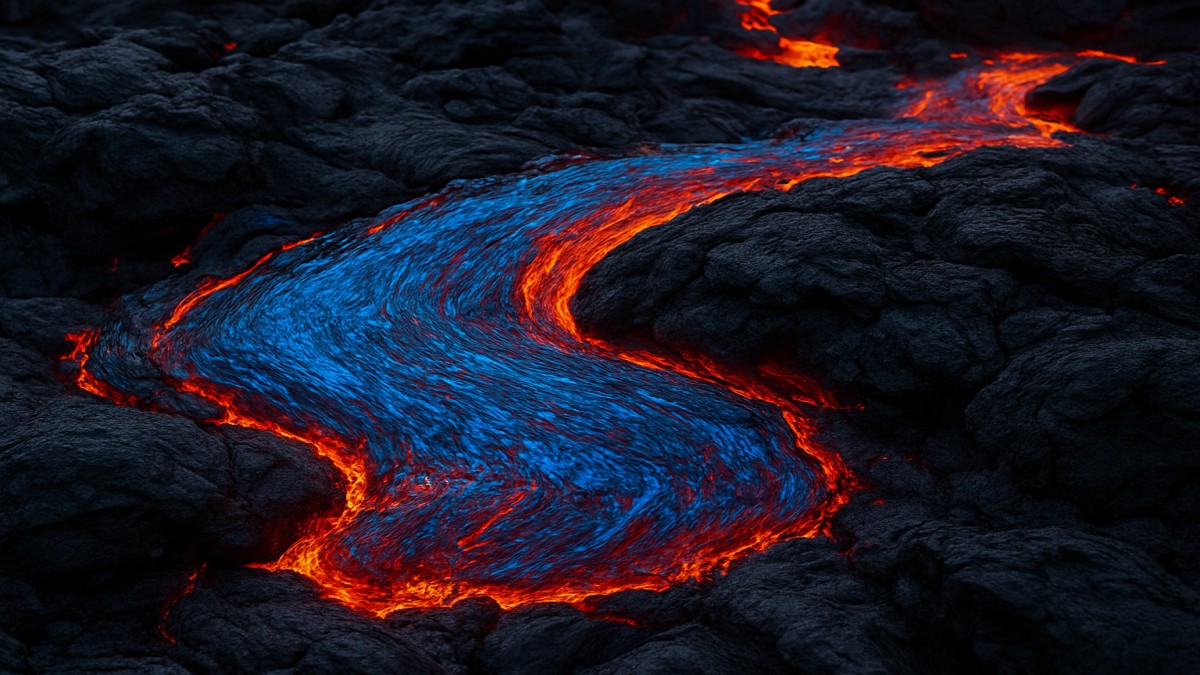
When you hear the phrase blue lava, it sounds like something straight out of a sci-fi movie or a fantasy novel. But this phenomenon is very real just not in the way most people imagine. Let’s dig into what makes blue lava so mesmerizing and why thousands of travelers and scientists are drawn to see it in person.
What Is Blue Lava?
Why It’s Not Actually Lava
Despite the name, blue lava isn’t really lava at all. Regular lava, even when extremely hot, stays within the red, orange, and yellow spectrum. Lava simply can’t be blue because of its chemical makeup and how it emits light.
The Chemical Reaction Behind the Color
The blue color comes from burning sulfur. When sulfur gases ignite at extremely high temperatures over 600°C (1112°F)—they burn with an intense electric-blue flame. These flames trick the eye into thinking the lava itself is blue.
Where Can You See Blue Lava?
The Famous Kawah Ijen Volcano
The most iconic and accessible location is Kawah Ijen, a volcano in Indonesia known for its massive sulfur deposits and active mining operations. Tourists often hike to the crater at night to see the brilliant blue flames.
Other Rare Locations
While Kawah Ijen is the most famous, sulfur combustion can also occur in:
- Ethiopia’s Dallol region
- Icelandic geothermal fields
However, these events are far less dramatic and rarely produce the same visual spectacle.
How Blue Lava Is Formed
High Sulfur Content
A volcano must have abundant sulfur gases for the phenomenon to occur.
Extremely High Temperatures
The gases must become hot enough to ignite. This doesn’t happen in every volcanic system.
The Role of Oxygen and Combustion
Once exposed to oxygen, the sulfur gases burst into blue flames as they escape cracks in the volcano’s surface.
Is Blue Lava Dangerous?
Toxic Sulfur Fumes
The sulfuric gases can be deadly. Visitors often wear gas masks to avoid inhaling dangerous fumes.
Heat and Flames
The flames are intensely hot, and the rocky terrain is unstable.
Geological Risks
Kawah Ijen is an active volcano, so eruptions, earthquakes, and landslides pose additional risks.
Why Do People Think It’s Real Lava?
Viral Photos and Misconceptions
Social media posts often label the flames as “blue lava,” which confuses viewers who assume the molten rock is glowing blue.
Optical Illusion in the Dark
The phenomenon is only visible at night, which enhances the illusion that the lava itself emits the blue glow.
How Photographers Capture Blue Lava
Long-Exposure Photography
To capture the intense blue glow, photographers often use long exposures that brighten the flames.
Night-Time Shooting Conditions
Bright daylight washes out the blue flame, so pictures must be taken in darkness.
Safety Precautions
Photographers need:
- Gas masks
- Heat-resistant clothing
- A knowledgeable local guide
The Science Behind the Blue Flame
Sulfur’s Combustion Temperature
Sulfur ignites above 360°C (680°F), but the dazzling blue visuals require temperatures much higher.
Why Blue Flames Appear Brighter at Night
Blue flames are dim by nature. The absence of light helps the flame stand out dramatically.
Can Blue Lava Occur Elsewhere Naturally?
Requirements for Blue Lava Formation
A volcano must have:
- High sulfur emissions
- Very hot vents
- Conditions promoting spontaneous combustion
Rarity of Sulfur-Rich Volcanoes
Few volcanoes meet all these requirements, which makes blue lava extremely rare.
Blue Lava vs Regular Lava
Differences in Temperature
Blue flames usually occur around 600–1,000°C, while lava can be between 700–1,200°C.
Differences in Chemical Composition
Lava is molten rock; blue lava is burning gas, not melted minerals.
Can Blue Lava Be Artificially Created?
Controlled Environments
Scientists can burn sulfur in labs to create blue flames, but nothing compares to the real volcanic spectacle.
Safety and Simulations
Artificial versions are used for education, but they lack the scale and intensity of Kawah Ijen.
Conclusion
Blue lava is one of nature’s rarest and most fascinating spectacles—not because the lava itself is blue, but because burning sulfur creates an otherworldly blue flame that dances across volcanic rock. Whether you’re a geology enthusiast, photographer, or curious traveler, understanding the science behind this phenomenon makes it even more awe-inspiring. And while breathtaking, it’s also dangerous, so proper preparation and respect for nature are essential.
FAQs
1. Is blue lava real?
Yes, but the lava isn’t blue—the flames from burning sulfur create the effect.
2. Can you see blue lava during the day?
No. The flames are too dim to be visible in daylight.
3. Is it safe to visit Kawah Ijen?
It can be, with the right gear, guide, and precautions.
4. Why does sulfur burn blue?
Its combustion emits light at a wavelength that appears bright blue to the human eye.
5. Can blue lava happen during an eruption?
It can accompany eruptions if sulfur gases ignite, but it’s still incredibly rare.

Dobutamine: Uses, Mechanism, Dosage, and Side Effects

Nopdle Magazine: Redefining Creative Culture Through Curated Innovation

Shop Easter Basket: The Ultimate Guide to Perfect Easter Gifts

Best Apps to Make Money Online USA (2026 Guide)

How to Start Affiliate Marketing with No Money

Freelance Jobs for Beginners USA (Start with No Experience)

Side Hustle Ideas from Home USA (No Experience Needed) – Beginner’s Guide

Online Jobs from Home USA (Daily Pay) – Start Earning Instantly

Beton Celular Autoclavizat: The Future of Lightweight, Eco-Friendly Construction

Goblets: A Timeless Symbol of Elegance and Celebration
Dobutamine: Uses, Mechanism, Dosage, and Side Effects

Ishraq Time in Delhi: What It Is, When It Happens, and Why It Matters
Beton Celular Autoclavizat: The Future of Lightweight, Eco-Friendly Construction

Read OPM Manga Online: Where and How to Enjoy One Punch Man Legally

Technisches Gymnasium: Your Gateway to Engineering and Technology

Why Every Small Business Needs a Digital Marketing Agency
Goblets: A Timeless Symbol of Elegance and Celebration
Nopdle Magazine: Redefining Creative Culture Through Curated Innovation

Gold Shower: Nature’s Cascading Yellow Wonder

The Indian Bow: A Legacy of Precision, Power, and Tradition
Dobutamine: Uses, Mechanism, Dosage, and Side Effects
Nopdle Magazine: Redefining Creative Culture Through Curated Innovation
Shop Easter Basket: The Ultimate Guide to Perfect Easter Gifts
Best Apps to Make Money Online USA (2026 Guide)
How to Start Affiliate Marketing with No Money
Freelance Jobs for Beginners USA (Start with No Experience)
Side Hustle Ideas from Home USA (No Experience Needed) – Beginner’s Guide
Online Jobs from Home USA (Daily Pay) – Start Earning Instantly
Beton Celular Autoclavizat: The Future of Lightweight, Eco-Friendly Construction
Goblets: A Timeless Symbol of Elegance and Celebration

 entertainment7 months ago
PYT Telegram: A Complete Guide to Understanding, Using, and Maximizing It

 entertainment7 months ago
OnionFlix: Everything You Need to Know About This Streaming Website
- others6 months ago
Nook vs Kindle: Which E-Reader Is Right for You?
- gaming7 months ago
Melisandre: The Enigmatic Priestess of Game of Thrones