food
Cane Sugarcane: Everything You Need to Know

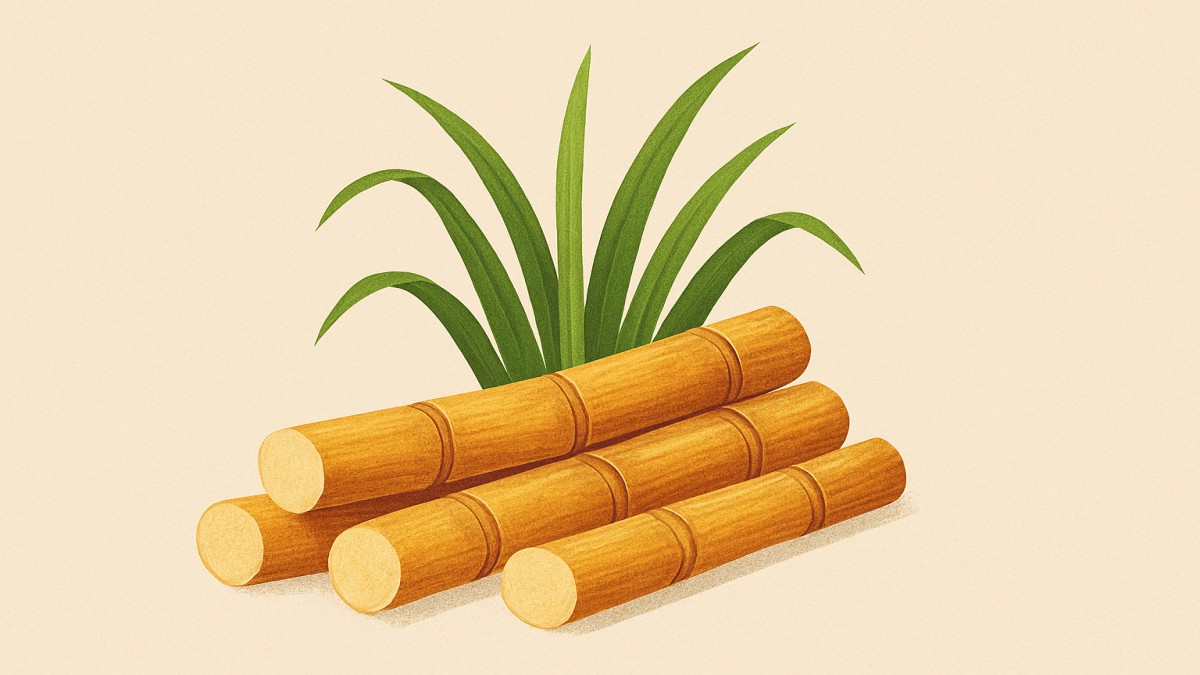
Cane Sugarcane is one of the world’s most valuable and widely grown crops, playing a major role in food production, biofuel development, and global economies. When people talk about “cane sugar,” they’re referring to the sugar extracted specifically from the tall, fibrous plant known as sugarcane. But what exactly is sugarcane, and how does it become the sweet crystals we use every day?
This article breaks down what sugarcane is, how cane sugar is produced, its benefits, uses, varieties, environmental impact, and more—clearly and simply.
What Is Sugarcane?
Sugarcane (scientific name Saccharum officinarum) is a tall perennial grass native to Southeast Asia and grown primarily in tropical and subtropical climates. It can reach heights of 10–20 feet and has thick stalks filled with a juicy, sugar-rich sap.
The plant thrives in:
- Warm temperatures
- Plenty of sunlight
- High rainfall or irrigation
- Fertile, moist soil
Countries like Brazil, India, China, Thailand, and Pakistan are some of the world’s leading sugarcane producers.
What Is Cane Sugar?
Cane sugar refers specifically to sugar extracted and refined from sugarcane stalks. Although sugar can also be produced from sugar beets, cane sugar is often preferred because of its natural sweetness, mild flavor, and versatile uses in cooking and manufacturing.
Common forms of cane sugar include:
- Raw cane sugar
- Brown sugar
- Demerara sugar
- Turbinado sugar
- Molasses
- Jaggery / panela
- Refined white sugar
Each form undergoes different levels of processing.
How Sugarcane Is Turned Into Sugar
The journey from sugarcane to table sugar involves several steps:
1. Harvesting
Sugarcane is cut manually or mechanically. Timing is important because the sweetness peaks at maturity.
2. Crushing
The stalks are washed and fed into large roller mills that crush them to extract sugarcane juice.
3. Clarification
The juice contains impurities, which are removed by heating and adding natural clarifying agents.
4. Evaporation
The purified juice is boiled until it thickens into a syrup.
5. Crystallization
Sugar crystals form when the syrup cools and undergoes controlled crystallization.
6. Separation
Centrifuges separate the crystals from the molasses.
7. Drying & Packaging
The crystals are dried and packaged as raw or refined sugar.
Molasses left over from processing is used in baking, rum making, and livestock feed.
Nutritional Profile of Cane Sugar
Cane sugar is primarily sucrose—a carbohydrate that provides quick energy. One teaspoon has about 16 calories, with no fat or protein.
Although natural, cane sugar should be consumed in moderation due to health risks associated with high sugar intake, such as weight gain, tooth decay, and increased risk of metabolic diseases.
Health Benefits of Sugarcane (the Plant)
While refined cane sugar has limited nutritional value, sugarcane juice and unrefined products like jaggery contain helpful nutrients including potassium, calcium, iron, magnesium, and antioxidants.
Some potential benefits include:
- Boosting hydration
- Supporting digestion
- Providing quick energy
- Offering mild antioxidant properties
Still, moderation is essential.
Conclusion
Cane sugarcane is more than just a plant—it’s a global agricultural powerhouse. From providing sweeteners and biofuel to supporting millions of jobs, sugarcane has shaped food industries, economies, and cultures around the world. While cane sugar itself should be enjoyed in moderation, sugarcane products like jaggery and sugarcane juice offer additional nutrients and cultural value.
Understanding how sugarcane becomes the sugar we use daily helps us appreciate both its benefits and its environmental importance.
FAQs About Cane Sugarcane
1. Is cane sugar healthier than regular white sugar?
Cane sugar and regular white sugar are nutritionally similar. Both are primarily sucrose and provide the same number of calories. The main difference is that less-refined cane sugars (like raw cane sugar or jaggery) contain trace minerals, but the amounts are too small to consider significant.
2. Can sugarcane juice improve hydration?
Yes. Sugarcane juice contains natural sugars, electrolytes like potassium, and plenty of water, making it a refreshing and hydrating drink—especially in hot climates. However, it should still be consumed in moderation due to its high sugar content.
3. Is sugarcane used to make anything besides sugar?
Absolutely. Sugarcane is used to make ethanol biofuel, paper products (from bagasse), animal feed, molasses, rum, and even biodegradable tableware. It’s an extremely versatile crop.
4. How long does it take for sugarcane to grow?
Sugarcane takes about 10–14 months to reach full maturity, depending on the climate and variety. In tropical regions, it may grow slightly faster due to higher temperatures and rainfall.
5. What is the difference between cane sugar and brown sugar?
Brown sugar can be made from cane sugar or beet sugar. Brown sugar contains molasses, which gives it a richer flavor and darker color. Cane sugar refers specifically to sugar derived from sugarcane and may be white, raw, or minimally processed.

Freelance Jobs for Beginners USA (Start with No Experience)

Side Hustle Ideas from Home USA (No Experience Needed) – Beginner’s Guide

Online Jobs from Home USA (Daily Pay) – Start Earning Instantly

Beton Celular Autoclavizat: The Future of Lightweight, Eco-Friendly Construction

Goblets: A Timeless Symbol of Elegance and Celebration

AI Tools for Making Money Online Free (Best 2026 Guide)

Passive Income Apps USA Free: Earn Money Effortlessly in 2026

How to Earn Money from Home Without Investment

ChatGPT Alternatives Free No Login (2026 Guide)

Everything You Need to Know About Koeas

Ishraq Time in Delhi: What It Is, When It Happens, and Why It Matters
Beton Celular Autoclavizat: The Future of Lightweight, Eco-Friendly Construction

Read OPM Manga Online: Where and How to Enjoy One Punch Man Legally

Technisches Gymnasium: Your Gateway to Engineering and Technology

Why Every Small Business Needs a Digital Marketing Agency
Goblets: A Timeless Symbol of Elegance and Celebration

Gold Shower: Nature’s Cascading Yellow Wonder

The Indian Bow: A Legacy of Precision, Power, and Tradition

Robert Provost: A Life of Leadership, Community, and Vision

Are Political Donations Tax Deductible?
Freelance Jobs for Beginners USA (Start with No Experience)
Side Hustle Ideas from Home USA (No Experience Needed) – Beginner’s Guide
Online Jobs from Home USA (Daily Pay) – Start Earning Instantly
Beton Celular Autoclavizat: The Future of Lightweight, Eco-Friendly Construction
Goblets: A Timeless Symbol of Elegance and Celebration
AI Tools for Making Money Online Free (Best 2026 Guide)
Passive Income Apps USA Free: Earn Money Effortlessly in 2026
How to Earn Money from Home Without Investment
ChatGPT Alternatives Free No Login (2026 Guide)
Everything You Need to Know About Koeas

 entertainment7 months ago
PYT Telegram: A Complete Guide to Understanding, Using, and Maximizing It

 entertainment7 months ago
OnionFlix: Everything You Need to Know About This Streaming Website
- others6 months ago
Nook vs Kindle: Which E-Reader Is Right for You?
- gaming7 months ago
Melisandre: The Enigmatic Priestess of Game of Thrones