food
Canned Lentils – The Ultimate Convenience Food for Healthy Living

Introduction to Canned Lentils
What Are Canned Lentils?
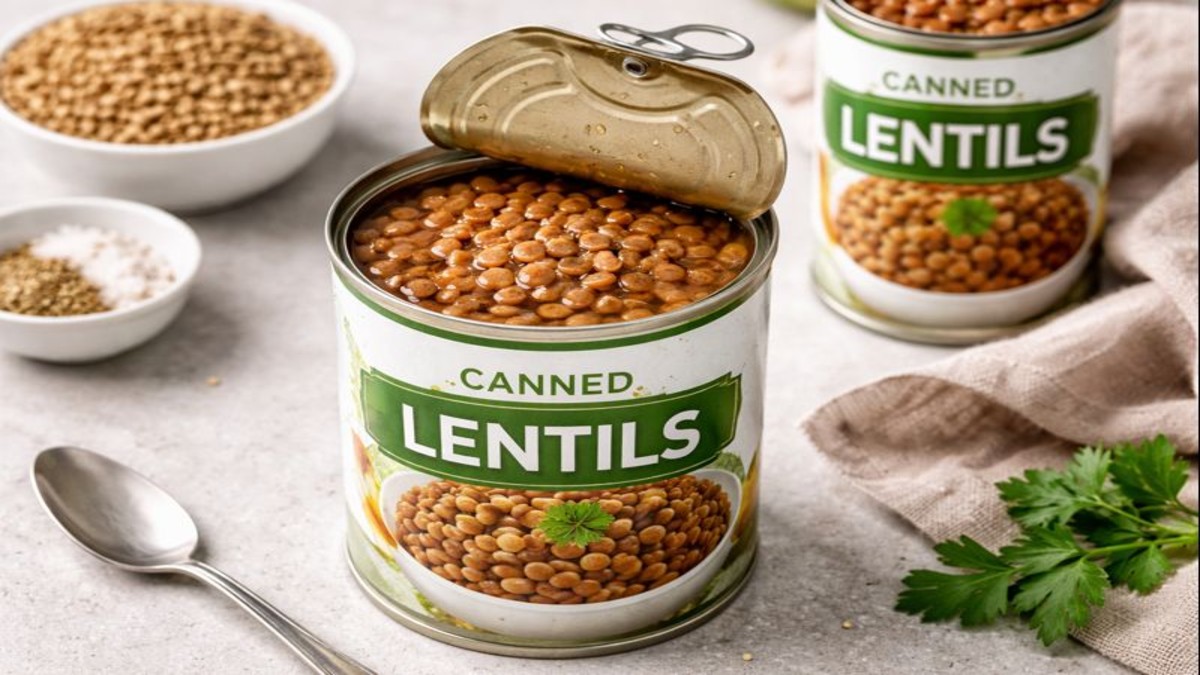
Canned lentils are pre-cooked lentils sealed in airtight cans to preserve freshness, flavor, and nutrients. They’re fully cooked and ready to use straight from the can. No soaking. No boiling. Just open, rinse, and you’re good to go.
Why Canned Lentils Are Gaining Popularity
Life is busy. And canned lentils are basically the fast lane to healthy eating. They deliver plant-based protein, fiber, and nutrients without the prep work. Think of them as your shortcut to wholesome meals on hectic days.
A Brief History of Lentils
Ancient Origins of Lentils
Lentils are one of the oldest cultivated foods on Earth, dating back over 9,000 years. Ancient civilizations relied on them as a staple protein—long before protein powders and energy bars existed.
Evolution from Dry Lentils to Canned Options
Traditionally, lentils were sold dried and required soaking and long cooking times. As food technology evolved, canning emerged as a way to make lentils more accessible and convenient.
Rise of Convenience Foods
Canned lentils became popular alongside other ready-to-eat foods, catering to modern lifestyles that value nutrition without sacrificing time.
How Canned Lentils Are Made
Harvesting and Sorting Lentils
Lentils are harvested, cleaned, and sorted to remove debris and damaged grains. Only high-quality lentils make it into cans.
Cooking and Canning Process
The lentils are cooked in water, sometimes with minimal salt, then sealed in cans and heat-processed to ensure safety and shelf stability.
Preservation and Shelf Stability
This process locks in nutrients while preventing bacterial growth, giving canned lentils a long shelf life without preservatives.
Types of Canned Lentils
Brown Lentils
Mild and earthy, brown lentils hold their shape well and are great for salads and side dishes.
Green Lentils
Slightly firmer with a peppery taste, green lentils work well in bowls and hearty meals.
Red Lentils
Softer and sweeter, red lentils are ideal for soups, dals, and purees.
Organic and Low-Sodium Varieties
Many brands now offer organic and low-sodium canned lentils for health-conscious consumers.
Nutritional Value of Canned Lentils
Protein Content
Canned lentils are packed with plant-based protein, making them ideal for vegetarians and vegans.
Fiber, Vitamins, and Minerals
They’re rich in dietary fiber, iron, folate, potassium, and magnesium—nutrients your body loves.
Calories and Macronutrient Breakdown
Low in fat and calories, canned lentils offer balanced nutrition that keeps you full and energized.
Health Benefits of Canned Lentils
Heart Health
The fiber and potassium in lentils help support healthy cholesterol levels and blood pressure.
Digestive Health
High fiber content promotes gut health and regular digestion.
Weight Management
Lentils are filling without being calorie-dense—perfect for mindful eating.
Blood Sugar Control
With a low glycemic index, canned lentils help maintain steady blood sugar levels.
Canned Lentils vs Dry Lentils
Convenience and Time-Saving
Canned lentils win hands down when time is tight. Dry lentils require planning; canned lentils don’t.
Taste and Texture Comparison
Dry lentils may have a slight edge in texture, but canned lentils are consistently tender and flavorful.
Nutritional Differences
Nutrient levels are similar, though rinsing canned lentils helps reduce sodium.
How to Use Canned Lentils in Cooking
Quick Salads and Bowls
Toss them with veggies, olive oil, and lemon for an instant meal.
Soups, Stews, and Curries
Add canned lentils to soups and curries to boost protein and texture.
Vegan and Vegetarian Recipes
From lentil tacos to veggie burgers, canned lentils are endlessly versatile.
Benefits of Cooking with Canned Lentils
Ready-to-Eat Convenience
They’re cooked and ready—no guesswork involved.
Consistent Quality
Each can delivers uniform texture and taste.
Perfect for Busy Lifestyles
Weeknight dinners, meal prep, last-minute guests—canned lentils have your back.
Common Concerns About Canned Lentils
Sodium Content
Some varieties contain added salt. Rinsing reduces sodium by up to 40%.
Texture Issues
Overcooked? Rarely. Most canned lentils maintain a pleasant bite.
BPA and Can Linings
Many brands now use BPA-free cans for peace of mind.
Conclusion
Why Canned Lentils Deserve a Spot in Your Pantry
Canned lentils are like a secret weapon in the kitchen—nutritious, affordable, and endlessly adaptable. Whether you’re cooking for health, convenience, or sustainability, they check every box.
FAQs
1. Are canned lentils healthy?
Yes, they’re rich in protein, fiber, and essential nutrients.
2. Should I rinse canned lentils before using them?
Rinsing helps reduce sodium and improves flavor.
3. Can canned lentils replace meat?
Absolutely. They’re a great plant-based protein alternative.
4. How long do canned lentils last after opening?
About 3–4 days when refrigerated in an airtight container.
5. Are canned lentils good for weight loss?
Yes, they’re filling, low in fat, and nutrient-dense.

Freelance Jobs for Beginners USA (Start with No Experience)

Side Hustle Ideas from Home USA (No Experience Needed) – Beginner’s Guide

Online Jobs from Home USA (Daily Pay) – Start Earning Instantly

Beton Celular Autoclavizat: The Future of Lightweight, Eco-Friendly Construction

Goblets: A Timeless Symbol of Elegance and Celebration

AI Tools for Making Money Online Free (Best 2026 Guide)

Passive Income Apps USA Free: Earn Money Effortlessly in 2026

How to Earn Money from Home Without Investment

ChatGPT Alternatives Free No Login (2026 Guide)

Everything You Need to Know About Koeas

Ishraq Time in Delhi: What It Is, When It Happens, and Why It Matters
Beton Celular Autoclavizat: The Future of Lightweight, Eco-Friendly Construction

Read OPM Manga Online: Where and How to Enjoy One Punch Man Legally

Technisches Gymnasium: Your Gateway to Engineering and Technology

Why Every Small Business Needs a Digital Marketing Agency
Goblets: A Timeless Symbol of Elegance and Celebration

Gold Shower: Nature’s Cascading Yellow Wonder

The Indian Bow: A Legacy of Precision, Power, and Tradition

Robert Provost: A Life of Leadership, Community, and Vision

Are Political Donations Tax Deductible?
Freelance Jobs for Beginners USA (Start with No Experience)
Side Hustle Ideas from Home USA (No Experience Needed) – Beginner’s Guide
Online Jobs from Home USA (Daily Pay) – Start Earning Instantly
Beton Celular Autoclavizat: The Future of Lightweight, Eco-Friendly Construction
Goblets: A Timeless Symbol of Elegance and Celebration
AI Tools for Making Money Online Free (Best 2026 Guide)
Passive Income Apps USA Free: Earn Money Effortlessly in 2026
How to Earn Money from Home Without Investment
ChatGPT Alternatives Free No Login (2026 Guide)
Everything You Need to Know About Koeas

 entertainment7 months ago
PYT Telegram: A Complete Guide to Understanding, Using, and Maximizing It

 entertainment7 months ago
OnionFlix: Everything You Need to Know About This Streaming Website
- others6 months ago
Nook vs Kindle: Which E-Reader Is Right for You?
- gaming7 months ago
Melisandre: The Enigmatic Priestess of Game of Thrones