Health
CBC With Differential: What It Is, How It Works, and Why It Matters

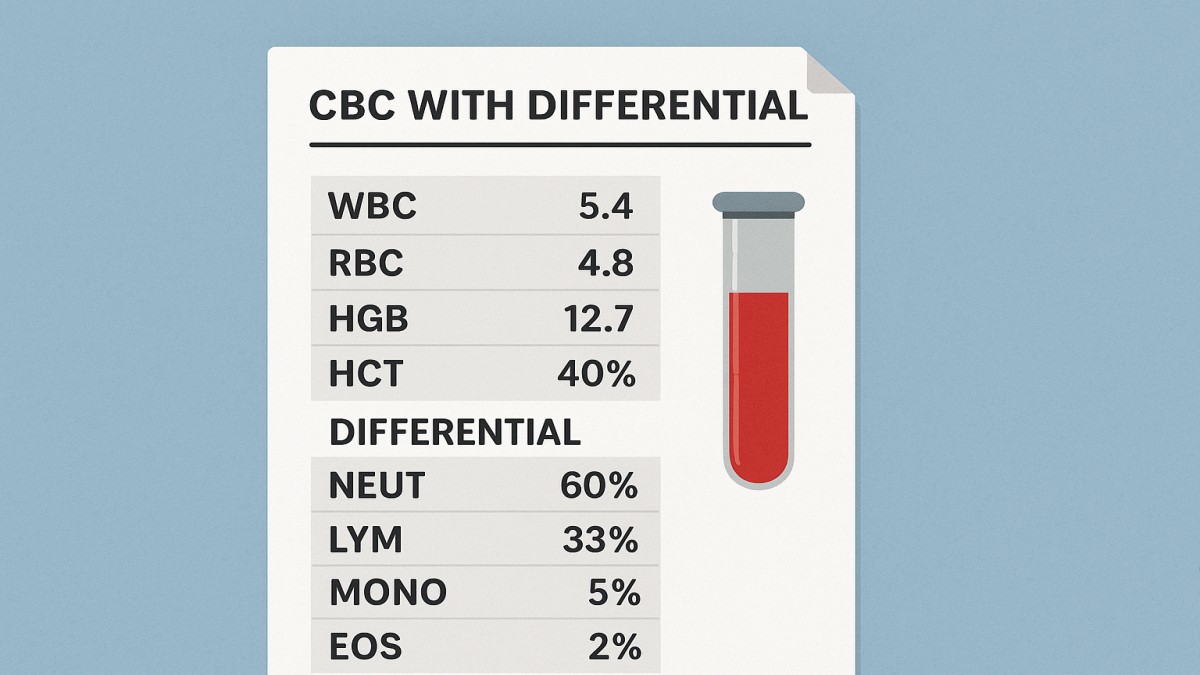
A CBC with differential is one of the most common—and most important blood tests you’ll ever come across. Even if you’ve never paid much attention to what your lab reports mean, chances are you’ve had this test done several times. Let’s break it down in a simple, conversational way so you can understand how it works and why it matters for your health.
Introduction to CBC With Differential
A Complete Blood Count (CBC) measures the major components of your blood. When you add the differential, the test becomes much more precise by examining each type of white blood cell individually.
Why doctors order this test
Doctors use this test to:
- Detect infections
- Evaluate immune system function
- Diagnose anemia
- Check for allergic responses
- Identify blood disorders or cancers
It’s like taking a quick snapshot of your overall health.
What makes it different from a standard CBC
A regular CBC tells you the total number of white blood cells. A CBC with differential breaks that number down into specific types, each of which has its own job.
Understanding the Components
Red Blood Cells (RBC)
These cells carry oxygen throughout your body. Low levels can make you feel tired or weak.
Hemoglobin and Hematocrit
Hemoglobin is the protein that carries oxygen, while hematocrit measures how much of your blood is made of red cells. Abnormal levels may point to anemia or dehydration.
White Blood Cells (WBC)
These are your infection fighters. The differential reveals which type increases when something goes wrong.
Platelets
Platelets help your blood clot. Too few can cause bleeding issues; too many can increase clotting risks.
What the Differential Measures
The differential focuses on five major types of white blood cells.
Neutrophils
Your body’s first responders to infection. High levels often mean a bacterial infection.
Lymphocytes
These cells fight viral infections and build long-term immunity.
Monocytes
Monocytes clean up dead cells and help fight chronic infections.
Eosinophils
These rise during allergies, asthma, and some parasitic infections.
Basophils
Although rare, they increase during allergic reactions and inflammation.
Absolute vs. percentage values
The report usually shows:
- Percentage (%) — proportion of each WBC type
- Absolute count — actual number of cells
Doctors rely more on absolute counts for accurate diagnosis.
Conditions a CBC With Differential Can Detect
Infections
High neutrophils = bacterial infection
High lymphocytes = viral infection
High eosinophils = allergies or parasites
Anemia Types
A CBC helps identify:
- Iron-deficiency anemia
- Vitamin B12 deficiency
- Chronic disease anemia
Autoimmune Disorders
Abnormal counts may signal lupus, rheumatoid arthritis, or chronic inflammation.
Allergies and asthma
Elevated eosinophils are a common sign.
Blood cancers
Leukemia and lymphoma often produce abnormal WBC patterns.
How the Test Is Performed
Sample collection
A small blood sample is drawn from a vein—usually the arm. It’s a quick, simple process.
Turnaround time
Most labs deliver results within a few hours to one day.
Risks and safety
The test is extremely safe, with only minor risks like:
- Light bruising
- Mild soreness
How to Read and Understand Your Results
High values
High WBCs usually indicate infection or inflammation. Elevated eosinophils may mean an allergic reaction. High platelets can point toward inflammation or clotting disorders.
Low values
Low WBCs can signal viral infections, immune disorders, or bone marrow problems. Low RBCs are typical in anemia.
When to be concerned
If levels are significantly out of range, your doctor may recommend further testing. But keep in mind—context matters. A single abnormal value doesn’t necessarily mean something serious.
Factors That May Affect Results
Medications
Steroids, antibiotics, and chemotherapy can shift WBC counts.
Lifestyle habits
Smoking, dehydration, or intense exercise may temporarily affect values.
Medical history
Chronic illnesses often influence blood counts.
When to Get a CBC With Differential
Symptoms that may require the test
You may need this test if you’re experiencing:
- Fever
- Fatigue
- Weakness
- Frequent infections
- Unusual bruising
Routine checkups
Many doctors include this test in your annual bloodwork to catch silent health issues early.
Conclusion
A CBC with differential is far more than a simple blood test—it’s a powerful tool that reveals vital information about your health. From checking for infections to detecting anemia or immune problems, this test provides a detailed picture of what’s happening inside your body. Understanding its components helps you stay informed and proactive about your well-being.
FAQs
1. Is fasting required for a CBC with differential?
No, fasting is not necessary.
2. How long does the test take?
The actual blood draw takes only a minute or two.
3. Can stress affect my results?
Yes, stress can temporarily raise white blood cell counts.
4. What should I do if my results are abnormal?
Follow up with your doctor—context and further tests may be needed.
5. Is this test safe for children?
Absolutely. It’s commonly used for people of all ages.

Dobutamine: Uses, Mechanism, Dosage, and Side Effects

Nopdle Magazine: Redefining Creative Culture Through Curated Innovation

Shop Easter Basket: The Ultimate Guide to Perfect Easter Gifts

Best Apps to Make Money Online USA (2026 Guide)

How to Start Affiliate Marketing with No Money

Freelance Jobs for Beginners USA (Start with No Experience)

Side Hustle Ideas from Home USA (No Experience Needed) – Beginner’s Guide

Online Jobs from Home USA (Daily Pay) – Start Earning Instantly

Beton Celular Autoclavizat: The Future of Lightweight, Eco-Friendly Construction

Goblets: A Timeless Symbol of Elegance and Celebration
Dobutamine: Uses, Mechanism, Dosage, and Side Effects

Ishraq Time in Delhi: What It Is, When It Happens, and Why It Matters
Beton Celular Autoclavizat: The Future of Lightweight, Eco-Friendly Construction

Read OPM Manga Online: Where and How to Enjoy One Punch Man Legally

Technisches Gymnasium: Your Gateway to Engineering and Technology

Why Every Small Business Needs a Digital Marketing Agency
Goblets: A Timeless Symbol of Elegance and Celebration
Nopdle Magazine: Redefining Creative Culture Through Curated Innovation

Gold Shower: Nature’s Cascading Yellow Wonder

Robert Provost: A Life of Leadership, Community, and Vision
Dobutamine: Uses, Mechanism, Dosage, and Side Effects
Nopdle Magazine: Redefining Creative Culture Through Curated Innovation
Shop Easter Basket: The Ultimate Guide to Perfect Easter Gifts
Best Apps to Make Money Online USA (2026 Guide)
How to Start Affiliate Marketing with No Money
Freelance Jobs for Beginners USA (Start with No Experience)
Side Hustle Ideas from Home USA (No Experience Needed) – Beginner’s Guide
Online Jobs from Home USA (Daily Pay) – Start Earning Instantly
Beton Celular Autoclavizat: The Future of Lightweight, Eco-Friendly Construction
Goblets: A Timeless Symbol of Elegance and Celebration

 entertainment7 months ago
PYT Telegram: A Complete Guide to Understanding, Using, and Maximizing It

 entertainment7 months ago
OnionFlix: Everything You Need to Know About This Streaming Website
- others6 months ago
Nook vs Kindle: Which E-Reader Is Right for You?
- gaming7 months ago
Melisandre: The Enigmatic Priestess of Game of Thrones