Health
The Dentate Line – A Complete Anatomical and Clinical Guide

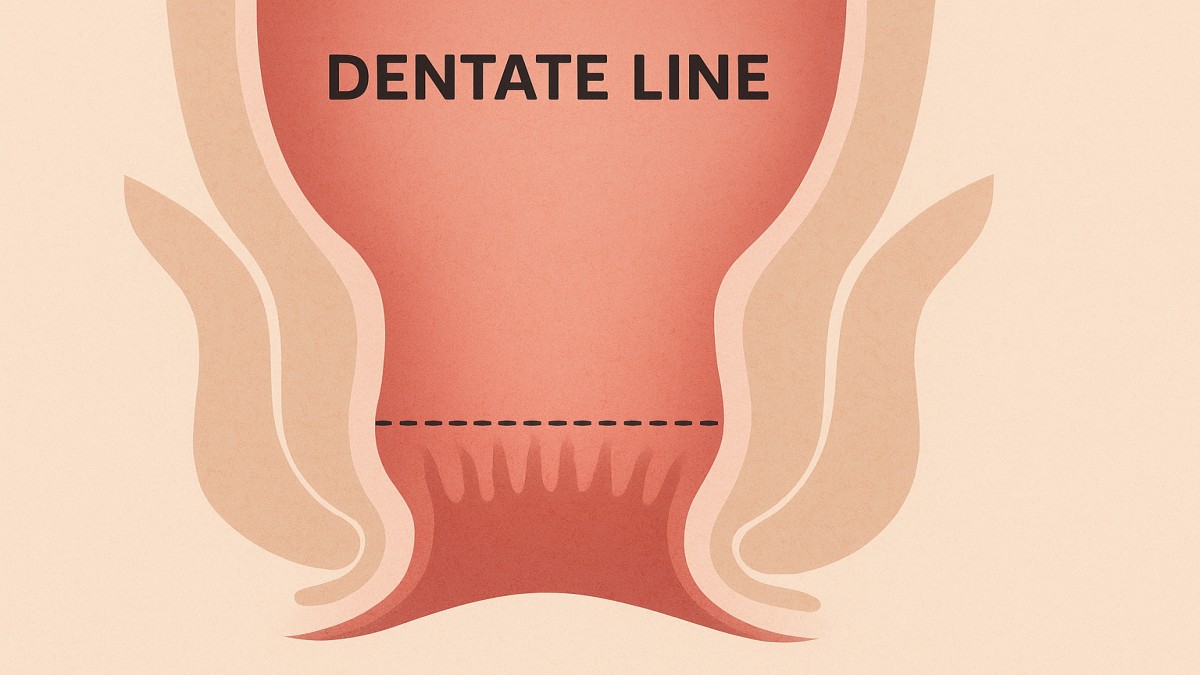
Introduction to the Dentate Line
The dentate line may be a tiny part of the human body, but it holds massive clinical importance. If you’ve ever wondered why some anal conditions are incredibly painful while others aren’t, the dentate line is the key. This line separates two completely different types of tissues, each with its own nerve supply and sensitivity.
What Is the Dentate Line?
The dentate line is a jagged boundary inside the anal canal located about 2 cm from the anal opening. It’s also known as the pectinate line. This line marks the transition between the upper and lower anal canal.
Why the Dentate Line Matters in Medicine
Doctors use the dentate line as a reference point to diagnose and understand various anorectal conditions. It plays a big role in determining pain, treatment approaches, and even the type of diseases that can occur.
Anatomy of the Dentate Line
Location in the Anal Canal
The dentate line sits deep inside the anal canal and divides it into two regions:
- Above the dentate line: Internal anal canal
- Below the dentate line: External anal canal
Structure and Appearance
It gets its “dentate” name from its tooth-like, uneven shape—almost like a zig-zag boundary.
Transition Between Two Tissue Types
Above the line is columnar epithelium, similar to the digestive tract. Below the line is stratified squamous epithelium, similar to skin. This switch is what changes sensation and function.
Functions of the Dentate Line
Sensory Differences Above and Below the Line
- Above the line: No pain, only pressure or stretching
- Below the line: Highly sensitive to pain, temperature, and touch
This explains why internal hemorrhoids are usually painless, while external ones can feel unbearable.
Role in Continence
The dentate line helps separate the areas controlled by different muscle groups, contributing to bowel control.
Vascular and Nerve Supply Differences
The vessels and nerves differ drastically above and below the line, influencing bleeding patterns and treatment choices.
Clinical Significance
Importance in Hemorrhoids
Internal Hemorrhoids
Located above the dentate line, they’re usually painless but can bleed.
External Hemorrhoids
Found below the line, they’re often very painful because of rich nerve supply.
Anal Fissures
Most fissures occur below the line, making them extremely painful.
Anal Cancer
Different cancer types occur depending on which side of the dentate line they originate from.
Fistulas and Abscesses
The origin of an abscess or fistula is often related to structures near the dentate line.
Pain Sensitivity and the Dentate Line
Why Pain Varies Above vs. Below the Line
Above the line, the tissue is not designed to feel pain—it’s the same tissue found in the intestines. Below it, the tissue is like skin, filled with sensory nerves.
Implications for Diagnosis and Treatment
A doctor can often tell where a problem is located simply based on whether it’s painful or not.
Conditions Related to the Dentate Line
Pruritus Ani
Itching occurs more often below the dentate line because the skin here is more reactive.
Thrombosed Hemorrhoids
These painful lumps occur below the dentate line due to trapped blood clots.
Infections and Inflammation
Bacterial or fungal infections often affect the tissue below the dentate line.
Diagnosis and Examination
Medical Tools Used
Doctors typically use:
- Anoscopy
- Sigmoidoscopy
- Physical exams
What Doctors Look For
They check for swelling, bleeding, tears, lumps, and infection signs around the dentate line.
Symptoms That Suggest Dentate Line Issues
- Sharp pain
- Bleeding
- Swelling
Conclusion
The dentate line may be small, but its impact on the human body is huge. From determining pain levels to guiding the diagnosis of hemorrhoids, fissures, and infections, this little anatomical landmark plays a critical role in anorectal health. By understanding how the dentate line works, you can better manage symptoms, prevent issues, and appreciate the complexity of your body’s design.
FAQs
1. Why is the dentate line clinically important?
It helps distinguish between painful and painless conditions due to different nerve supplies.
2. Are hemorrhoids above or below the dentate line more painful?
Below the line—they have more sensory nerves.
3. Can the dentate line be seen during a normal exam?
Only through specialized tools like an anoscope.
4. Does the dentate line affect bowel control?
Yes, it separates areas controlled by different muscles involved in continence.
5. What type of tissue is found above the dentate line?
Columnar epithelium, similar to the digestive tract.

Dobutamine: Uses, Mechanism, Dosage, and Side Effects

Nopdle Magazine: Redefining Creative Culture Through Curated Innovation

Shop Easter Basket: The Ultimate Guide to Perfect Easter Gifts

Best Apps to Make Money Online USA (2026 Guide)

How to Start Affiliate Marketing with No Money

Freelance Jobs for Beginners USA (Start with No Experience)

Side Hustle Ideas from Home USA (No Experience Needed) – Beginner’s Guide

Online Jobs from Home USA (Daily Pay) – Start Earning Instantly

Beton Celular Autoclavizat: The Future of Lightweight, Eco-Friendly Construction

Goblets: A Timeless Symbol of Elegance and Celebration
Dobutamine: Uses, Mechanism, Dosage, and Side Effects

Ishraq Time in Delhi: What It Is, When It Happens, and Why It Matters
Beton Celular Autoclavizat: The Future of Lightweight, Eco-Friendly Construction

Read OPM Manga Online: Where and How to Enjoy One Punch Man Legally

Technisches Gymnasium: Your Gateway to Engineering and Technology

Why Every Small Business Needs a Digital Marketing Agency
Goblets: A Timeless Symbol of Elegance and Celebration
Nopdle Magazine: Redefining Creative Culture Through Curated Innovation

Gold Shower: Nature’s Cascading Yellow Wonder

Robert Provost: A Life of Leadership, Community, and Vision
Dobutamine: Uses, Mechanism, Dosage, and Side Effects
Nopdle Magazine: Redefining Creative Culture Through Curated Innovation
Shop Easter Basket: The Ultimate Guide to Perfect Easter Gifts
Best Apps to Make Money Online USA (2026 Guide)
How to Start Affiliate Marketing with No Money
Freelance Jobs for Beginners USA (Start with No Experience)
Side Hustle Ideas from Home USA (No Experience Needed) – Beginner’s Guide
Online Jobs from Home USA (Daily Pay) – Start Earning Instantly
Beton Celular Autoclavizat: The Future of Lightweight, Eco-Friendly Construction
Goblets: A Timeless Symbol of Elegance and Celebration

 entertainment7 months ago
PYT Telegram: A Complete Guide to Understanding, Using, and Maximizing It

 entertainment7 months ago
OnionFlix: Everything You Need to Know About This Streaming Website
- others6 months ago
Nook vs Kindle: Which E-Reader Is Right for You?
- gaming7 months ago
Melisandre: The Enigmatic Priestess of Game of Thrones