Health
Hemosiderin: Understanding Its Role, Causes & Health Implications

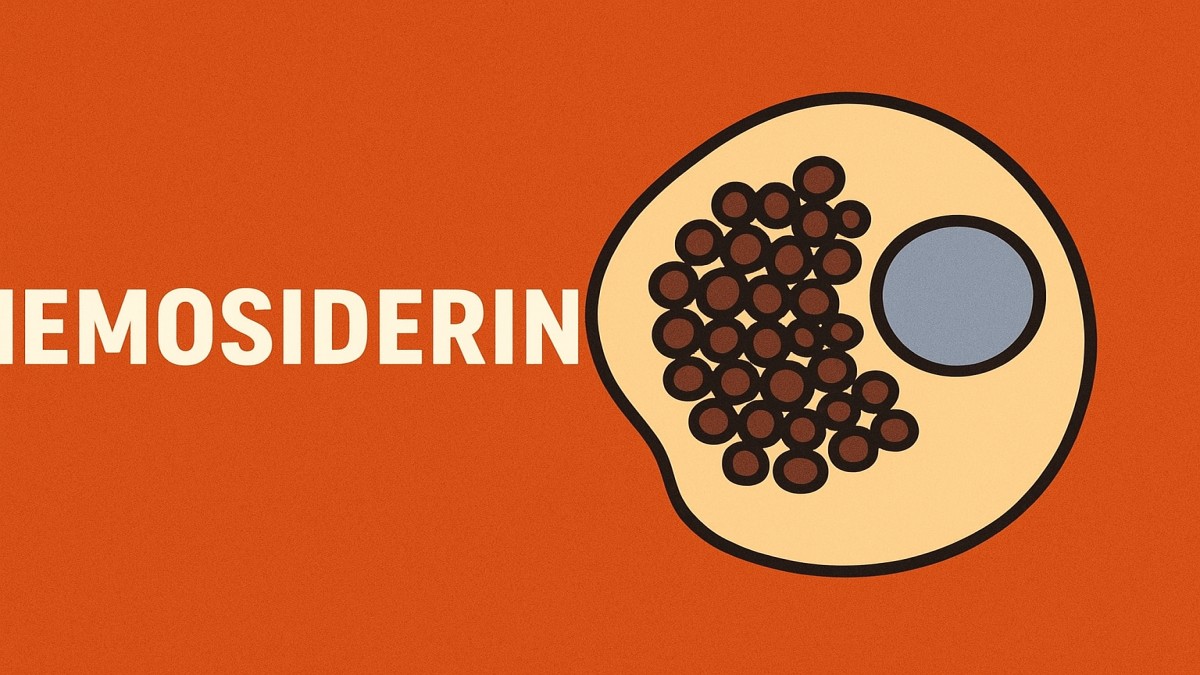
Introduction to Hemosiderin
What Is Hemosiderin?
Hemosiderin is a yellow-brown pigment the body creates when it stores excess iron. Think of it as the body’s backup storage unit for iron a little messy, not always organized, and sometimes a sign that something else is going on internally. When your system can’t properly manage iron, hemosiderin begins to accumulate in tissues such as the skin, lungs, liver, and kidneys.
Why Does the Body Produce It?
Hemosiderin is part of the body’s iron recycling process. When red blood cells break down, their iron is usually reused efficiently. But if there’s too much iron or too much cell destruction, the body stores that extra iron as hemosiderin to protect itself.
How Hemosiderin Forms in the Body
The Breakdown of Red Blood Cells
Every red blood cell has a lifespan of about 120 days. When it breaks down, iron is released. Normally, the body captures and recycles this iron smoothly.
Iron Storage and Mismanagement
When the recycling process is overwhelmed—either due to excessive breakdown or excessive iron intake—iron gets stored in tissues.
When Iron Overloads the System
Iron overload is more common than people think. Blood transfusions, metabolic disorders, and chronic inflammation can cause the body to store iron faster than it can use it.
Causes of Hemosiderin Buildup
Chronic Bleeding
Internal or repeated bleeding—like from bruising, injury, or gastrointestinal issues—can lead to hemosiderin deposits in tissues.
Blood Transfusions
Frequent transfusions introduce extra iron into the body. Since the body has no natural way to eliminate iron, hemosiderin forms as storage.
Hemolytic Disorders
Diseases that break down red blood cells too quickly cause iron overload. This leads to persistent hemosiderin formation.
Organ Damage and Inflammation
Organs under stress or inflammation may store more hemosiderin because iron isn’t being processed properly.
Symptoms Associated With Hemosiderin Deposits
Skin Discoloration
Brownish or rust-colored patches—especially on the lower legs—often indicate hemosiderin staining from chronic venous insufficiency.
Organ Dysfunction
If iron accumulates in major organs, it can interfere with their normal function. The lungs, liver, and kidneys are most commonly affected.
Fatigue and Weakness
Iron overload interferes with cellular health, often causing chronic tiredness.
Diagnosing Hemosiderin Accumulation
MRI Scans
MRI imaging can detect iron deposits in organs. It’s one of the most accurate diagnostic tools.
Tissue Biopsy
A small tissue sample may be examined under a microscope to identify hemosiderin granules.
Blood Tests and Iron Levels
Tests like ferritin, transferrin saturation, and serum iron provide clues about iron overload or deficiency.
Health Conditions Linked to Hemosiderin
Hemosiderosis
A condition where iron buildup occurs without causing major organ damage—usually due to excessive bleeding or transfusions.
Hemochromatosis
A genetic disorder where the body absorbs too much iron from food, leading to hemosiderin buildup.
Chronic Venous Insufficiency
Poor blood flow in the legs causes red blood cells to leak out and break down, leaving hemosiderin deposits that stain the skin.
Pulmonary Hemosiderosis
Iron deposits form in the lungs, often causing coughing, difficulty breathing, and chronic inflammation.
Treatment Options
Managing Iron Levels
Medications called chelators can bind excess iron and help remove it from the body.
Treating Underlying Conditions
Whether the cause is bleeding, anemia, or circulatory issues, fixing the root problem is the key to reducing hemosiderin.
Lifestyle Modifications
A balanced diet, reduced iron supplementation, and improved circulation can help prevent further iron accumulation.
Prevention Tips
Monitoring Iron Intake
Avoid excessive iron supplements unless prescribed by a doctor.
Early Treatment of Bleeding Disorders
Identifying and managing chronic bleeding early reduces the risk of hemosiderin buildup.
Healthy Circulatory Habits
Regular exercise, leg elevation, and compression stockings improve blood flow and reduce hemosiderin staining.
Conclusion
Hemosiderin is a normal byproduct of iron recycling, but chronic buildup can signal deeper health issues. Whether it’s linked to bleeding, iron overload, or circulatory problems, understanding hemosiderin helps you take control of your health. With proper diagnosis and treatment, many complications can be prevented.
FAQs
1. Is hemosiderin dangerous?
Not always. Small deposits are normal, but large accumulations can indicate iron overload or organ damage.
2. Can hemosiderin staining go away?
It may fade over time, but chronic staining often requires treating the underlying cause.
3. What does hemosiderin in the lungs mean?
It indicates pulmonary hemosiderosis, where iron is deposited in lung tissues due to bleeding or inflammation.
4. How do doctors test for hemosiderin?
Through MRI scans, biopsies, and blood tests that measure iron levels.
5. Can diet affect hemosiderin levels?
Yes. Limiting excess iron intake and avoiding unnecessary supplements can reduce further buildup.

Dobutamine: Uses, Mechanism, Dosage, and Side Effects

Nopdle Magazine: Redefining Creative Culture Through Curated Innovation

Shop Easter Basket: The Ultimate Guide to Perfect Easter Gifts

Best Apps to Make Money Online USA (2026 Guide)

How to Start Affiliate Marketing with No Money

Freelance Jobs for Beginners USA (Start with No Experience)

Side Hustle Ideas from Home USA (No Experience Needed) – Beginner’s Guide

Online Jobs from Home USA (Daily Pay) – Start Earning Instantly

Beton Celular Autoclavizat: The Future of Lightweight, Eco-Friendly Construction

Goblets: A Timeless Symbol of Elegance and Celebration
Dobutamine: Uses, Mechanism, Dosage, and Side Effects

Ishraq Time in Delhi: What It Is, When It Happens, and Why It Matters
Beton Celular Autoclavizat: The Future of Lightweight, Eco-Friendly Construction

Read OPM Manga Online: Where and How to Enjoy One Punch Man Legally

Technisches Gymnasium: Your Gateway to Engineering and Technology

Why Every Small Business Needs a Digital Marketing Agency
Goblets: A Timeless Symbol of Elegance and Celebration
Nopdle Magazine: Redefining Creative Culture Through Curated Innovation

Gold Shower: Nature’s Cascading Yellow Wonder

The Indian Bow: A Legacy of Precision, Power, and Tradition
Dobutamine: Uses, Mechanism, Dosage, and Side Effects
Nopdle Magazine: Redefining Creative Culture Through Curated Innovation
Shop Easter Basket: The Ultimate Guide to Perfect Easter Gifts
Best Apps to Make Money Online USA (2026 Guide)
How to Start Affiliate Marketing with No Money
Freelance Jobs for Beginners USA (Start with No Experience)
Side Hustle Ideas from Home USA (No Experience Needed) – Beginner’s Guide
Online Jobs from Home USA (Daily Pay) – Start Earning Instantly
Beton Celular Autoclavizat: The Future of Lightweight, Eco-Friendly Construction
Goblets: A Timeless Symbol of Elegance and Celebration

 entertainment7 months ago
PYT Telegram: A Complete Guide to Understanding, Using, and Maximizing It

 entertainment7 months ago
OnionFlix: Everything You Need to Know About This Streaming Website
- others6 months ago
Nook vs Kindle: Which E-Reader Is Right for You?
- gaming7 months ago
Melisandre: The Enigmatic Priestess of Game of Thrones