
business
How to Start a Junk Removal Business: A Simple Step-by-Step Guide

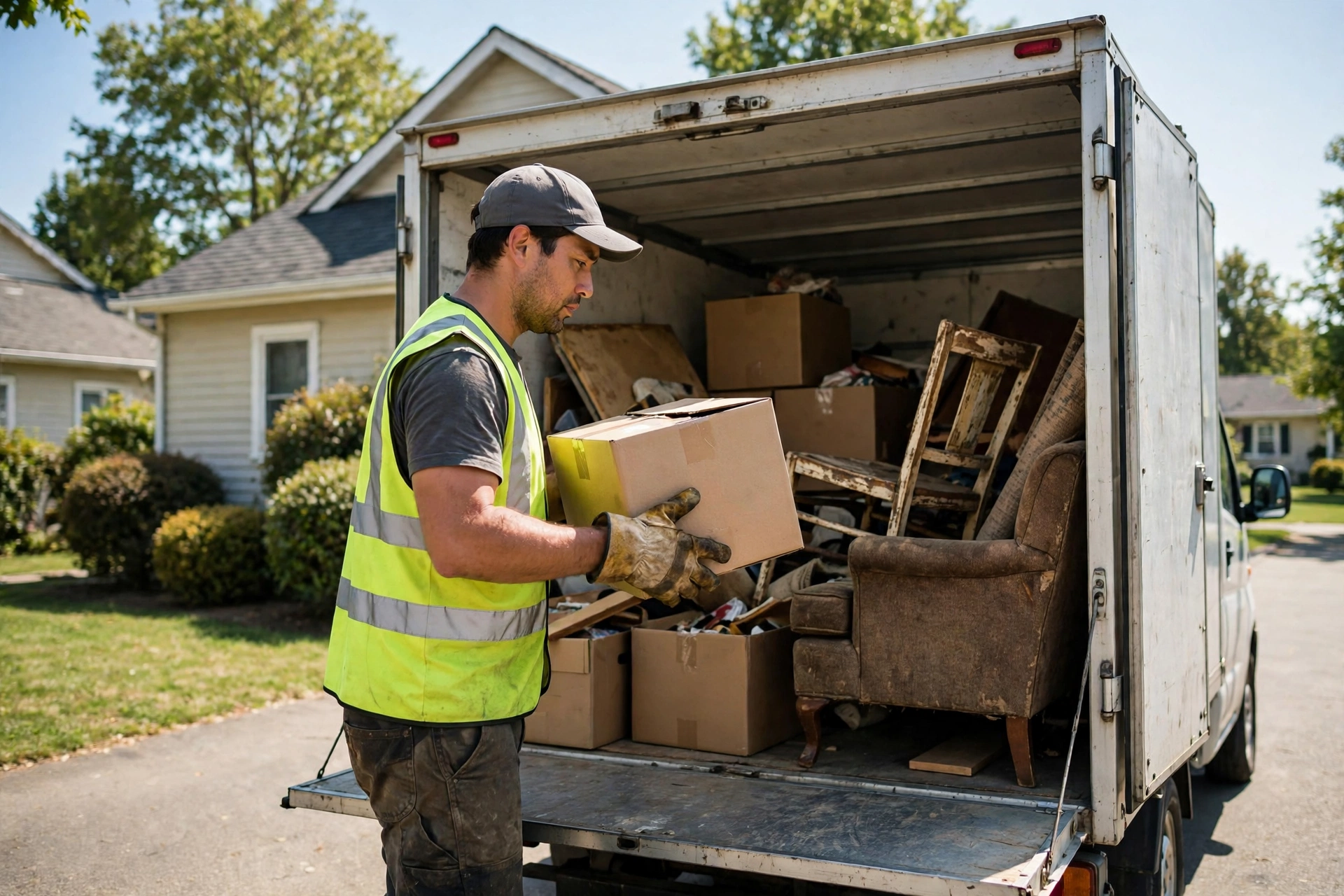
Almost every home, office, and building site has stuff it needs rid of: an old sofa, a broken fridge, boxes of clutter, garden waste, or rubble from a small renovation. Someone has to take it away, and that someone can be you. If you are thinking about starting a junk removal business, this guide walks you through the whole thing, one simple step at a time.
Junk removal is practical, hands-on work with low startup costs and steady demand. You do not need a shop or a degree. You need a reliable vehicle, the right basic kit, and customers who trust you to turn up and clear the mess. The steps below cover how to start a junk removal business, from the first plan to the first paying customer.
What a Junk Removal Business Actually Does
A junk removal business collects unwanted items from homes and workplaces and takes them to the right place: recycling centres, donation points, or a licensed tip. Jobs range from a single old mattress to a full house clearance after a move or a renovation.
Most jobs take one to three hours. A small flat clearance might take under an hour, while a full garage clear-out or a builder’s clean-up can take most of the day. You set your own hours, you choose the jobs you take, and you get paid when the work is done.
Is Junk Removal a Good Business to Start?
Yes, for the right person. People always have things to throw away, and many cannot move heavy items themselves or do not own a van. Demand stays steady all year, with busy spells around house moves, spring cleaning, and renovation season.
It suits someone who likes physical work, driving, and meeting different people every day. Before you spend any money, do a little homework on starting a junk removal business: look at what other removal firms in your area charge, count how many already serve your town, and talk to local homeowners and landlords about what they struggle to get rid of. If your area is full of removers, pick a nearby area with fewer rivals, or offer something extra, like same-day collection or evening slots.
Step 1: Write a Simple Junk Removal Business Plan
Every new business needs a plan, even a short one. A junk removal business plan does not have to be a long document. One or two pages are enough if they answer the right questions.
Write down who your customers will be: homeowners, landlords, letting agents, builders, or offices. Note what you will charge, what your monthly costs will be, and how many jobs you need each week to cover them. Add a simple goal for your first three months, such as thirty completed jobs or a set amount of income.
Your plan also helps you decide what to buy first and what can wait. A second vehicle can wait. A dependable first vehicle cannot. Keep the plan on paper and check it once a month. When the numbers change, update the plan.
Step 2: Choose Your Services
Decide what you will take and what you will not. Most beginners start with household junk: furniture, appliances, boxes, garden waste, and general clutter. Some also take builder’s waste, office clearances, and shed or garage clear-outs.
Be clear about what you will not handle, such as hazardous chemicals, asbestos, or medical waste. Those need specialist handling, and taking them without the right setup can cause serious trouble. A clear service list protects you and helps customers know exactly what to expect.
Step 3: Get Your Junk Removal Equipment
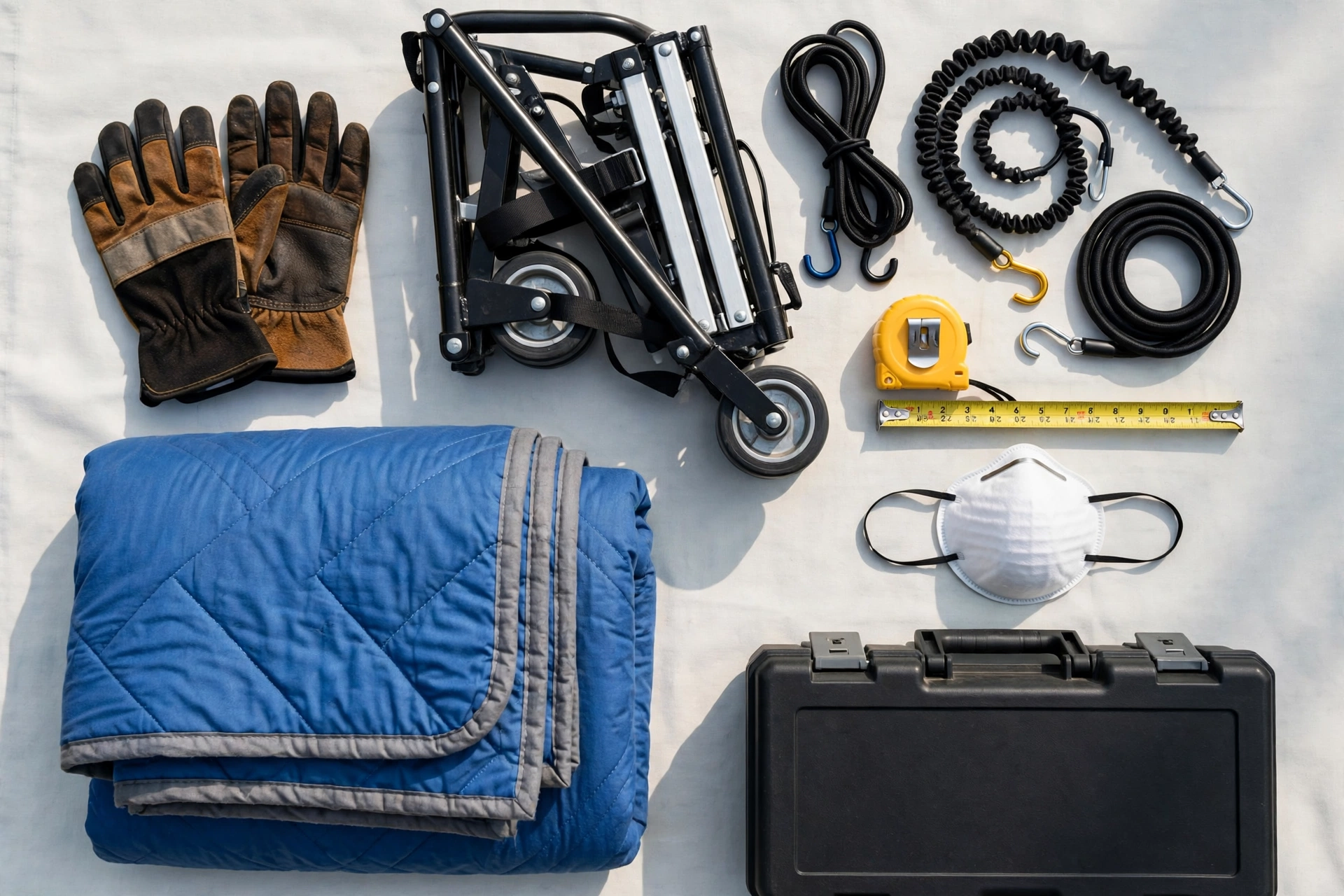
Your kit is the heart of the business, so choose it with care. Junk removal equipment starts simple: strong work gloves, a hand truck trolley, moving blankets, bungee cords, a tape measure, and a dust mask. These basics let you move heavy items safely and protect both the goods and the customer’s home.
As jobs grow, you may add a sack truck with stair climbers, a set of straps, a shovel and broom for the final sweep, and a small toolkit for taking apart furniture that will not fit through a door. Buy sturdy kit once rather than cheap kit twice, and clean and check it after every job so it lasts for years.
Step 4: Sort Out Your Vehicle
Your vehicle is your workshop on wheels, so it matters more than anything else. A junk removal truck can be a small box truck, a tipper, or a large van with a trailer. Most beginners start with a used van or a small truck they can afford outright, then upgrade once the jobs are coming in.
When you compare vehicles, check the load size, fuel costs, and how easy it is to load at kerb height. A vehicle that is too small means two trips for one job, which eats your profit. A vehicle that is too big costs more to run and is harder to park on narrow streets. Pick the size that fits the jobs you plan to take, and keep your junk removal truck clean and tidy: it is a moving advert for your business.
Step 5: Sort Out Junk Removal Business Insurance
Insurance is not exciting, but it protects your business. Junk removal business insurance usually covers damage to a customer’s home or belongings, and injury to you or someone else while you work. Some policies also cover your vehicle and kit if they are stolen.
Ask at least two insurers for a quote and compare what each policy covers. Check the excess, which is the amount you pay yourself before the insurer pays. A cheap policy with a huge excess may not help you when something goes wrong.
Keep your insurance papers in the vehicle or on your phone. Some letting agents, landlords, and offices will ask to see proof of cover before they let you start work. Having it ready makes you look professional and trustworthy.
Step 6: Work Out Your Junk Removal Pricing
Pricing is where many beginners guess, and guessing costs money. Look at what other removers charge in your area, then set your prices so you cover your costs and earn a fair wage. Junk removal pricing is usually based on how much space the load takes up in the vehicle, plus the disposal fee at the tip and your time.
Learning how to price junk removal jobs well is a skill worth building early. Visit the local tip, find out the disposal fee per load, and add your fuel, time, and a fair margin. Many removers charge by the quarter-load, half-load, or full load, which is easy for customers to understand. Others charge per item for single pieces like a sofa or a fridge. Pick one method, keep it simple, and print it on your leaflet or website so customers know what to expect.
Do not set your prices too low just to win jobs. Cheap prices attract customers who leave when a cheaper remover appears. Fair prices, good work, and a friendly manner keep customers for years.
Step 7: Check Local Rules and Permits
Rules matter in this trade. Before your first paid job, check what your area asks of anyone who carries waste for others. In many places you need a waste carrier permit or registration, and you must take waste only to licensed disposal sites. Fly-tipping, dumping waste anywhere unofficial, is illegal and can end a new business before it starts.
Keep a simple record of every load: where you picked it up, what it was, and where you took it. Good records protect you if anyone ever asks, and they make your tax return easier too.
Step 8: Count the Junk Removal Business Startup Cost
A realistic junk removal business startup cost is lower than many trades, but it still needs a clear list. Add up the vehicle, fuel, insurance, basic kit, a phone, and a simple website or leaflets. Then add a small buffer for the first month, when jobs may be slow.
Many beginners start part-time, keeping another income while the first customers come in. That takes the pressure off and lets you grow at a pace you can afford. Keep your receipts from day one: every cost is part of your records and your tax return.
Step 9: Find Your First Customers
Your first customers will usually come from people you know, local notice boards, and free listings online. Tell friends, family, and neighbours what you do, and ask them to pass your number on. A simple flyer through local doors, with your phone number and a short list of what you take, still works well.
Ask every happy customer for a short review and permission to share it. Reviews build trust fast, and trust is what turns a one-off job into repeat calls and referrals. Answer the phone quickly, turn up when you say you will, and leave the place swept clean. In this trade, reliability is your best advert.
Step 10: Decide About a Franchise or Going Solo
As you research, you will see big brand names offering a junk removal franchise. A franchise gives you a known name, training, and a proven system, but it costs a joining fee and usually a share of your income every month. Going solo costs less and gives you full control, but you build your name from scratch.
For most beginners, starting solo with a clear plan is the cheaper path. Before signing for a junk removal franchise, compare its fees and monthly share against what going solo would cost you. If you later want to grow faster, you can look at a franchise with real trading figures behind you. Either way, the daily work is the same: good kit, fair prices, and customers who call you back.
How to Grow Once You Are Running
Once the jobs are steady, growth is about small steps. Starting a junk removal business is the easy part; growing it takes steady habits. Add a second vehicle only when the first is booked out most days. Take on a helper for big clearances rather than turning jobs away. Keep a simple list of regular customers, such as landlords and builders, and check in with them every few months.
Learn from every job. If a certain type of clearance keeps coming up, add it to your service list. If a price is not covering your costs, raise it and explain why. A business that learns from its own numbers lasts far longer than one that guesses.
Common Mistakes to Avoid
The most common mistake is undercharging. A price that looks cheap to the customer can leave you paying for fuel and disposal fees out of your own pocket. Always count the disposal fee before you quote.
The second mistake is overpromising. If you cannot take a job on a given day, say so and offer the next available day. A customer who waits one day is far happier than one who waits all day for a remover who never arrives.
The third mistake is skipping the paperwork. Keep records of every job, every receipt, and every disposal. Clean records make tax time simple and protect you if a question ever comes up about a load.
Frequently Asked Questions
How much money do I need to start a junk removal business?
It depends on the vehicle. If you already own a suitable van or truck, you can start with a few hundred pounds or dollars of kit, insurance, and advertising. If you need to buy a vehicle, that is the biggest cost, so start with a reliable used one and upgrade later.
Do I need experience to start?
No formal experience is needed, but practical sense helps. You should be comfortable lifting, driving a loaded vehicle, and talking to customers. A short course on safe lifting and waste handling is a smart first step.
How do I find customers in the first month?
Start local. Tell people you know, put up flyers, list your service on free local sites, and ask every customer for a review. Landlords, letting agents, and small builders are good regular customers to approach once you have a few jobs behind you.
What should I charge for a small job?
Base it on load size plus disposal fees. A single item like a sofa is usually a flat fee, while a full load is priced by the space it takes in your vehicle. Check the local tip fee first, then add your time and fuel so every job earns a fair margin.
Is junk removal a good side business?
Yes. Many people start part-time at weekends, when house clearances and moves are busiest. Once the work fills your spare days, you can decide whether to go full-time.

How to Start a Junk Removal Business: A Simple Step-by-Step Guide

How to Start a Pest Control Business: Simple Steps That Win Your First Customers

How to Start a Carpet Cleaning Business: Simple Steps

How to Start a Gutter Cleaning Business: Simple Steps That Turn Your Ladder Into Income

How to Start a House Painting Business: Simple Steps That Turn Your Painting Skills Into Income

How to Start a Window Cleaning Business: Simple Steps That Turn Your Skills Into Income

How to Start a Pet Grooming Business: Simple Steps That Turn Your Love of Animals Into Income

How to Start a Car Detailing Business: Simple Steps That Turn Your Skills Into Income

How to Start a Pressure Washing Business: A Simple Guide That Gets You Your First Customers

How to Start a Lawn Mowing Business: Simple Steps That Turn Mowing Into Income

How to Repurpose Blog Content for Social Media Without Starting From Scratch

How to Write a Simple Business Plan for Your Small Business: A Practical Guide That Gets You Started

How to Create a Small Business Content Marketing Plan That Actually Gets Results

How to Get More Clients for Your Business: Simple Ways That Actually Work
How to Handle Customer Complaints in a Small Business: A Calm, Practical Guide That Turns Problems Into Loyalty

How to Write a Professional Business Email That Gets a Reply
How to Create a Content Calendar for a Small Business
How to Set Up a Simple Referral Program for Your Small Business: A Beginner’s Guide That Brings in New Customers

How to Set SMART Goals for a Small Business: A Practical Guide That Actually Works

Branding Tips for Small Businesses: A Simple Guide That Makes You Memorable
How to Start a Junk Removal Business: A Simple Step-by-Step Guide
How to Start a Pest Control Business: Simple Steps That Win Your First Customers
How to Start a Carpet Cleaning Business: Simple Steps
How to Start a Gutter Cleaning Business: Simple Steps That Turn Your Ladder Into Income
How to Start a House Painting Business: Simple Steps That Turn Your Painting Skills Into Income
How to Start a Window Cleaning Business: Simple Steps That Turn Your Skills Into Income
How to Start a Pet Grooming Business: Simple Steps That Turn Your Love of Animals Into Income
How to Start a Car Detailing Business: Simple Steps That Turn Your Skills Into Income
How to Start a Pressure Washing Business: A Simple Guide That Gets You Your First Customers
How to Start a Lawn Mowing Business: Simple Steps That Turn Mowing Into Income

 entertainment1 year ago
PYT Telegram: A Complete Guide to Understanding, Using, and Maximizing It

 entertainment1 year ago
OnionFlix: Everything You Need to Know About This Streaming Website
- education1 year ago
How to Become a Software Engineer: A Complete Guide
- others1 year ago
Nook vs Kindle: Which E-Reader Is Right for You?





