others
Miswak Toothbrush: Natural Oral Care for a Healthier Smile

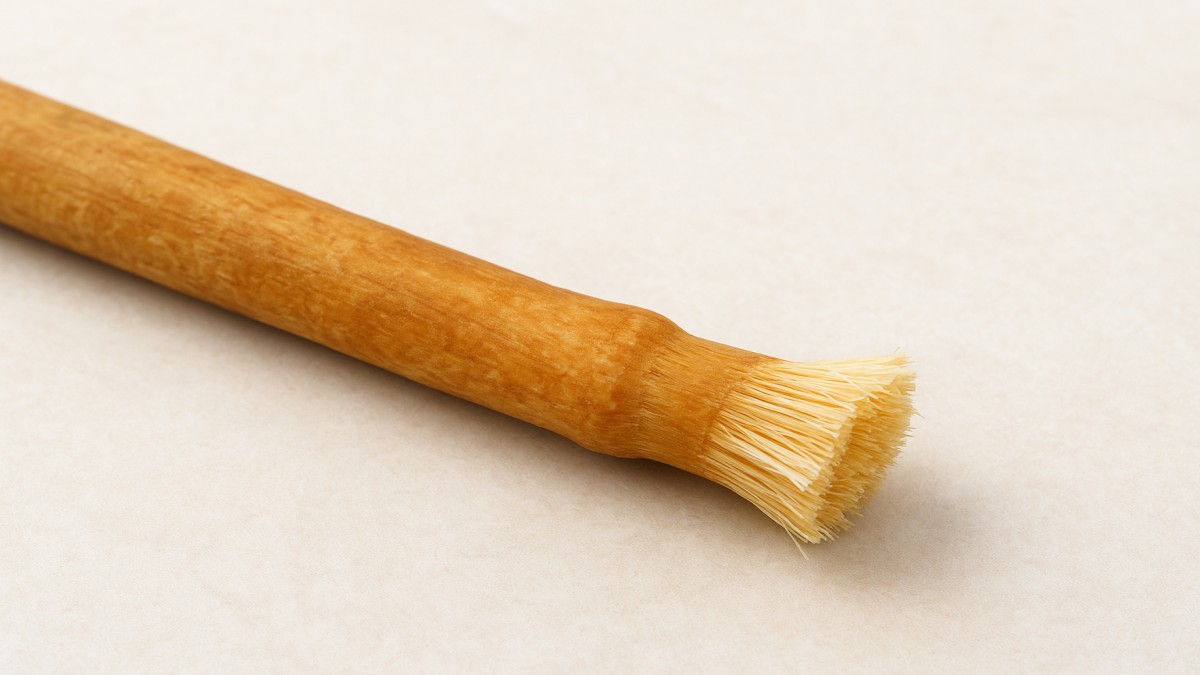
In the age of electric toothbrushes and chemical-based toothpaste, the miswak toothbrush stands out as a timeless natural tool for superior oral hygiene. Used for thousands of years, this simple twig from the Salvadora persica tree continues to be a trusted alternative to modern oral care not just for its convenience, but for its scientifically proven benefits.
What Is a Miswak Toothbrush?
A miswak is a natural teeth-cleaning stick made from the roots or branches of the Salvadora persica tree, commonly known as the “toothbrush tree.” It works like a natural toothbrush, containing its own built-in toothpaste through the plant’s bioactive compounds.
Why Miswak Is Popular Worldwide
People love miswak because it is:
- Chemical-free
- Eco-friendly
- Portable
- Effective against oral bacteria
- A part of cultural and religious traditions
It’s the perfect combination of nature and practicality.
Origin and History of Miswak
The Salvadora persica Tree
This tree grows in:
- Middle East
- Africa
- South Asia
Its branches contain natural cleansing and antibacterial properties.
Historical and Cultural Importance
Islamic Tradition
Using miswak is highly recommended in Islam as a Sunnah of the Prophet Muhammad (PBUH), making it a beloved practice worldwide.
Ancient Civilizations
Miswak use dates back to ancient Egyptians, Greeks, and Babylonians long before modern toothbrushes were invented.
Physical Characteristics of Miswak
Appearance
Miswak sticks are usually light brown, 10–20 cm long, and pencil-like in shape.
Texture and Fibers
Once chewed, the end forms soft bristles that work like a toothbrush head, gently cleaning teeth and gums.
Composition of Miswak
Natural Antibacterial Compounds
Miswak contains substances like:
- Salvadorine
- Trimethylamine
These help kill harmful bacteria.
Fluoride Content
Miswak naturally contains fluoride, which protects tooth enamel.
Essential Oils and Minerals
It includes:
- Calcium
- Silica
- Sulfur compounds
All contributing to strong teeth and fresh breath.
Benefits of Using a Miswak Toothbrush
Natural Antimicrobial Properties
Miswak fights bacteria responsible for plaque, gingivitis, and cavities.
Strengthens Gums
Its gentle fibers massage gums, improving blood circulation.
Prevents Tooth Decay
Fluoride and antibacterial agents work together to prevent decay.
Eliminates Bad Breath
The aromatic oils in miswak keep breath fresh for hours.
Eco-Friendly and Sustainable
Unlike plastic toothbrushes, miswak is fully biodegradable.
How to Use a Miswak
Preparing the Stick
- Trim 1–2 cm from one end.
- Chew the tip until it becomes soft and fibrous.
Brushing Technique
Brush:
- Up and down
- In circular motions
- Along the gums
- Over the tongue
Frequency of Use
Most people use miswak 2–3 times per day. Some carry it in their pockets for use anytime.
Comparison with Modern Toothbrushes
Effectiveness
Studies show miswak can be as effective or even more effective than regular toothbrushes in reducing plaque.
Convenience
Miswak requires no toothpaste and is easy to carry.
Environmental Impact
Modern toothbrushes contribute to plastic waste, while miswak is completely sustainable.
Miswak in Modern Dentistry
Scientific Studies
Research published in dental journals highlights miswak’s antibacterial and plaque-reducing effects.
Recognition by Dental Associations
Many dentists recommend miswak as a natural complement to modern oral care routines.
Choosing the Right Miswak
Freshness and Texture
A good miswak is:
- Moist
- Flexible
- Aromatic
- Free of cracks
Flavor and Variety
Some miswak sticks come flavored with mint or clove, though natural miswak is always best.
Storage and Maintenance
Keeping Miswak Clean
Store it in a dry, clean pouch. Avoid leaving it open or wet for long periods.
When to Replace It
Replace the miswak or trim the tip every 3–5 days depending on wear.
Myths and Misconceptions
Miswak vs. Toothpaste
Miswak has natural “built-in” toothpaste, but you can still use both if preferred.
Miswak Alone Is Enough?
Miswak is effective, but proper technique is essential. Consistency matters more than the tool.
Conclusion
The miswak toothbrush is a powerful reminder that sometimes the simplest solutions are the most effective. This natural teeth-cleaning stick offers antibacterial protection, strengthens gums, prevents cavities, and keeps the environment clean—all without chemicals or plastic. Whether used for religious, cultural, or health reasons, miswak remains a reliable tool for achieving a healthier smile.
FAQs
1. How often should I use a miswak?
2–3 times daily, or whenever you need a quick clean.
2. Does miswak replace toothpaste?
It can, but some prefer to use both.
3. Can children use miswak?
Yes, under supervision to ensure correct use.
4. Is miswak better than a regular toothbrush?
Both are effective, but miswak offers natural antibacterial benefits.
5. How long does a miswak stick last?
Typically 1–2 weeks depending on usage.

Dobutamine: Uses, Mechanism, Dosage, and Side Effects

Nopdle Magazine: Redefining Creative Culture Through Curated Innovation

Shop Easter Basket: The Ultimate Guide to Perfect Easter Gifts

Best Apps to Make Money Online USA (2026 Guide)

How to Start Affiliate Marketing with No Money

Freelance Jobs for Beginners USA (Start with No Experience)

Side Hustle Ideas from Home USA (No Experience Needed) – Beginner’s Guide

Online Jobs from Home USA (Daily Pay) – Start Earning Instantly

Beton Celular Autoclavizat: The Future of Lightweight, Eco-Friendly Construction

Goblets: A Timeless Symbol of Elegance and Celebration
Dobutamine: Uses, Mechanism, Dosage, and Side Effects

Ishraq Time in Delhi: What It Is, When It Happens, and Why It Matters
Beton Celular Autoclavizat: The Future of Lightweight, Eco-Friendly Construction

Read OPM Manga Online: Where and How to Enjoy One Punch Man Legally

Technisches Gymnasium: Your Gateway to Engineering and Technology

Why Every Small Business Needs a Digital Marketing Agency
Goblets: A Timeless Symbol of Elegance and Celebration
Nopdle Magazine: Redefining Creative Culture Through Curated Innovation

Gold Shower: Nature’s Cascading Yellow Wonder

The Indian Bow: A Legacy of Precision, Power, and Tradition
Dobutamine: Uses, Mechanism, Dosage, and Side Effects
Nopdle Magazine: Redefining Creative Culture Through Curated Innovation
Shop Easter Basket: The Ultimate Guide to Perfect Easter Gifts
Best Apps to Make Money Online USA (2026 Guide)
How to Start Affiliate Marketing with No Money
Freelance Jobs for Beginners USA (Start with No Experience)
Side Hustle Ideas from Home USA (No Experience Needed) – Beginner’s Guide
Online Jobs from Home USA (Daily Pay) – Start Earning Instantly
Beton Celular Autoclavizat: The Future of Lightweight, Eco-Friendly Construction
Goblets: A Timeless Symbol of Elegance and Celebration

 entertainment7 months ago
PYT Telegram: A Complete Guide to Understanding, Using, and Maximizing It

 entertainment7 months ago
OnionFlix: Everything You Need to Know About This Streaming Website
- others6 months ago
Nook vs Kindle: Which E-Reader Is Right for You?
- gaming7 months ago
Melisandre: The Enigmatic Priestess of Game of Thrones