Health
Understanding Occlusal: Meaning, Importance, and Dental Applications

Introduction
Occlusal. If you’ve ever visited a dentist and heard them talk about your “occlusion,” they’re referring to how your upper and lower teeth come together. The term occlusal plays a crucial role in dental health, affecting everything from chewing efficiency to jaw comfort. Understanding what occlusal means and how it impacts your oral health—can help prevent a wide range of dental and jaw issues in the long run.
What Does Occlusal Mean?
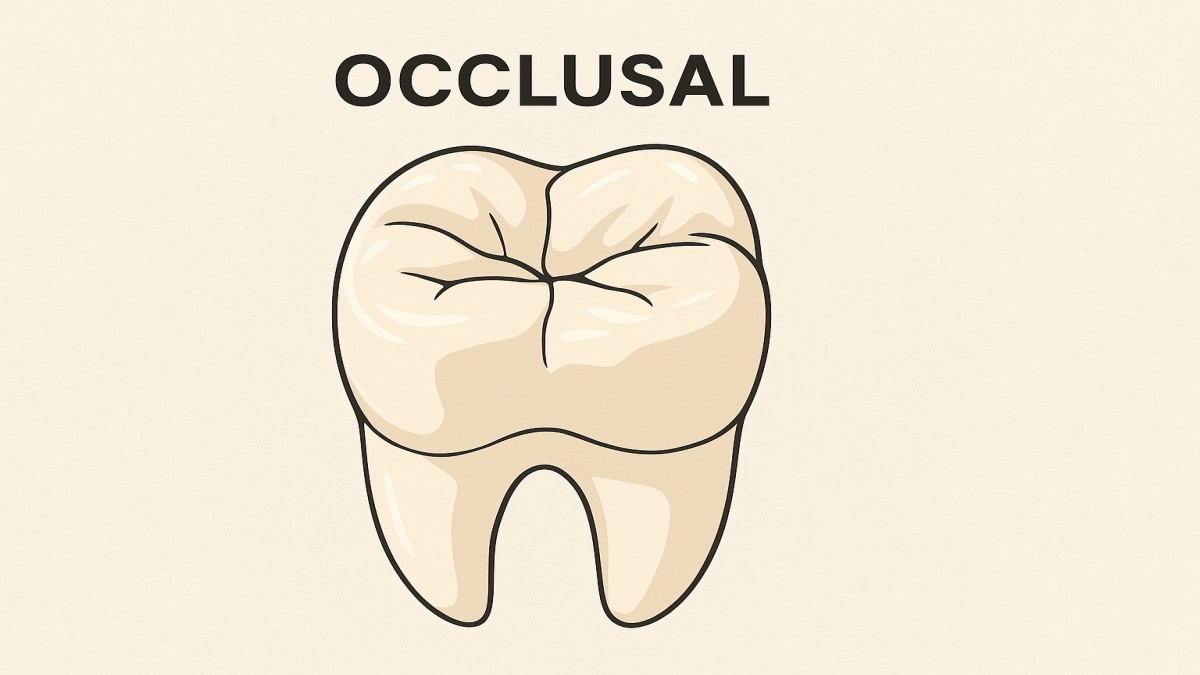
The word “occlusal” refers to anything related to occlusion, which is the contact between teeth when the jaws close. In simpler terms, it’s the way your upper and lower teeth fit together when you bite or chew. Occlusal surfaces are the parts of the teeth that come into contact during these actions—typically the flat, chewing surfaces of molars and premolars.
Understanding Occlusion in Dentistry
In dentistry, occlusion is a critical concept because it directly affects how teeth function, wear, and align. A correct occlusal relationship ensures that pressure during biting and chewing is evenly distributed. However, when this balance is off, it can lead to malocclusion, discomfort, and long-term dental problems.
Dentists evaluate occlusion to check how well teeth meet, whether any interferences occur, and how jaw movements impact the bite.
Types of Occlusal Relationships
1. Centric Occlusion
This is the natural position where your upper and lower teeth make maximum contact when your jaw is in its most relaxed, closed position. It’s the most stable and reproducible bite position.
2. Static Occlusion
Static occlusion refers to how your teeth align when the jaw is closed and not moving—essentially a “snapshot” of your bite.
3. Dynamic Occlusion
Dynamic occlusion looks at how your teeth interact during jaw movements such as speaking, chewing, or grinding. Proper dynamic occlusion ensures that teeth slide smoothly without causing wear or discomfort.
Occlusal Surfaces Explained
The occlusal surface is the flat, top part of back teeth—molars and premolars—that comes into contact with opposing teeth. These surfaces contain cusps, fissures, and grooves that help grind and crush food. The health and shape of these surfaces are vital for efficient chewing and preventing food impaction or premature tooth wear.
Why Occlusion Matters in Dentistry
A balanced occlusion is essential for overall oral health because it affects multiple aspects of the mouth and jaw, including:
- Chewing efficiency
- Speech clarity
- Jaw joint (TMJ) function
- Distribution of biting forces
- Tooth wear and alignment
An uneven or misaligned bite can lead to pain, sensitivity, and even changes in facial appearance over time.
Common Occlusal Problems
1. Malocclusion
Malocclusion is a misalignment between the upper and lower teeth when the jaws close. Common types include overbite, underbite, crossbite, and open bite. It can affect chewing, cause speech problems, and even lead to aesthetic concerns.
2. Bruxism (Teeth Grinding)
Bruxism involves unconscious grinding or clenching of the teeth, often during sleep. It puts excessive stress on the occlusal surfaces, leading to enamel wear, cracks, and jaw pain.
3. Occlusal Trauma
This occurs when excessive force is applied to a tooth or group of teeth. It can result from high fillings, misaligned crowns, or habitual grinding, leading to tooth mobility or pain.
Signs and Symptoms of Occlusal Issues
- Frequent tooth sensitivity or pain while chewing
- Jaw discomfort or clicking sounds (TMJ symptoms)
- Uneven or excessive tooth wear
- Headaches or facial pain
- Difficulty in biting or chewing
- Shifting teeth or changes in bite alignment
If you notice these signs, it’s crucial to consult your dentist for a bite analysis or occlusal evaluation.
Conclusion
The term occlusal may sound technical, but it’s a fundamental part of your dental well-being. From how you chew to how your jaw functions, your occlusion affects nearly every aspect of oral health. An imbalanced bite can cause significant discomfort, yet with proper diagnosis, adjustment, and preventive care, it’s entirely manageable. Whether through restorative, orthodontic, or preventive measures, maintaining proper occlusal balance ensures a lifetime of healthy, pain-free smiles.
FAQs
1. What does occlusal mean in dentistry?
Occlusal refers to the contact between upper and lower teeth during biting or chewing.
2. What is an occlusal surface?
It’s the chewing surface of the molars and premolars that contact opposing teeth.
3. How can occlusal problems affect health?
They can cause headaches, jaw pain, tooth wear, and even TMJ disorders.
4. What is occlusal adjustment?
It’s a procedure to reshape tooth surfaces for an even and comfortable bite.
5. How can I prevent occlusal issues?
Regular dental visits, avoiding grinding, and correcting bite problems early can help maintain a healthy occlusion.

Freelance Jobs for Beginners USA (Start with No Experience)

Side Hustle Ideas from Home USA (No Experience Needed) – Beginner’s Guide

Online Jobs from Home USA (Daily Pay) – Start Earning Instantly

Beton Celular Autoclavizat: The Future of Lightweight, Eco-Friendly Construction

Goblets: A Timeless Symbol of Elegance and Celebration

AI Tools for Making Money Online Free (Best 2026 Guide)

Passive Income Apps USA Free: Earn Money Effortlessly in 2026

How to Earn Money from Home Without Investment

ChatGPT Alternatives Free No Login (2026 Guide)

Everything You Need to Know About Koeas

Ishraq Time in Delhi: What It Is, When It Happens, and Why It Matters
Beton Celular Autoclavizat: The Future of Lightweight, Eco-Friendly Construction

Read OPM Manga Online: Where and How to Enjoy One Punch Man Legally

Technisches Gymnasium: Your Gateway to Engineering and Technology

Why Every Small Business Needs a Digital Marketing Agency
Goblets: A Timeless Symbol of Elegance and Celebration

Gold Shower: Nature’s Cascading Yellow Wonder

The Indian Bow: A Legacy of Precision, Power, and Tradition

Robert Provost: A Life of Leadership, Community, and Vision

Are Political Donations Tax Deductible?
Freelance Jobs for Beginners USA (Start with No Experience)
Side Hustle Ideas from Home USA (No Experience Needed) – Beginner’s Guide
Online Jobs from Home USA (Daily Pay) – Start Earning Instantly
Beton Celular Autoclavizat: The Future of Lightweight, Eco-Friendly Construction
Goblets: A Timeless Symbol of Elegance and Celebration
AI Tools for Making Money Online Free (Best 2026 Guide)
Passive Income Apps USA Free: Earn Money Effortlessly in 2026
How to Earn Money from Home Without Investment
ChatGPT Alternatives Free No Login (2026 Guide)
Everything You Need to Know About Koeas

 entertainment7 months ago
PYT Telegram: A Complete Guide to Understanding, Using, and Maximizing It

 entertainment7 months ago
OnionFlix: Everything You Need to Know About This Streaming Website
- others6 months ago
Nook vs Kindle: Which E-Reader Is Right for You?
- gaming7 months ago
Melisandre: The Enigmatic Priestess of Game of Thrones