food
Pearl Millet: Nutrition, Benefits, Uses, and More

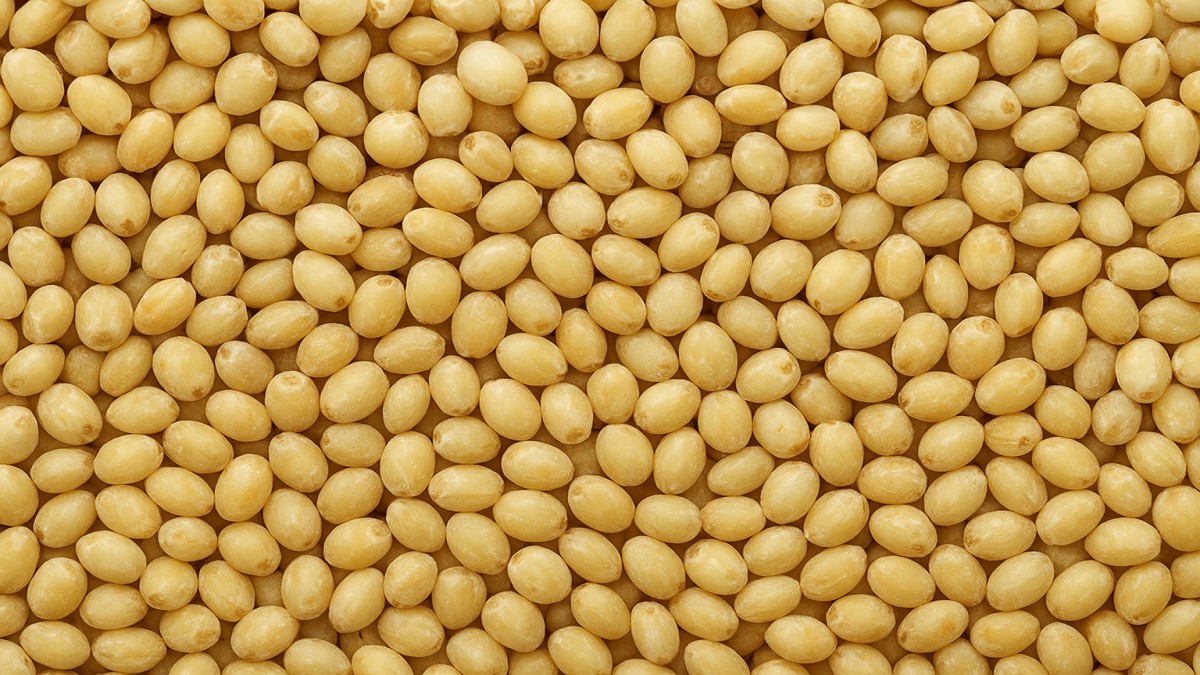
Introduction to Pearl Millet
What is Pearl Millet?
Pearl millet, also known as Pennisetum glaucum, is a nutrient-rich cereal grain widely consumed across Africa and Asia. In India, it is commonly called “bajra,” and it serves as a staple food for millions. Its earthy flavor and impressive nutritional profile make it one of the world’s most valuable ancient grains.
Origin and History
Pearl millet has been cultivated for over 4,000 years. It originated in Africa and gradually spread to India, where it became a key crop due to its ability to survive extreme conditions. Today, it remains a vital food source in arid and semi-arid regions.
Nutritional Value of Pearl Millet
Macronutrients
Pearl millet is packed with essential nutrients. It contains:
- High carbohydrates for energy
- Moderate protein levels
- Healthy fats
This combination makes it ideal for sustained energy throughout the day.
Vitamins and Minerals
Pearl millet is particularly rich in:
- Iron
- Magnesium
- Phosphorus
- B vitamins
These nutrients support everything from oxygen transport to nerve function.
Fiber and Antioxidants
With its high fiber content, pearl millet aids digestion and keeps you fuller for longer. Its antioxidants help fight free radicals, protecting your body from oxidative stress.
Health Benefits of Pearl Millet
Supports Digestive Health
Because pearl millet is fiber-rich, it helps prevent constipation and supports a healthy gut environment. It also promotes smooth bowel movement.
Helps Manage Diabetes
Pearl millet has a low glycemic index, meaning it releases glucose slowly. This helps stabilize blood sugar levels, making it an excellent choice for people with diabetes or insulin resistance.
Boosts Heart Health
The magnesium and potassium in pearl millet support heart function, help regulate blood pressure, and reduce the risk of cardiovascular diseases.
Strengthens Bones
Thanks to its high phosphorus and calcium content, pearl millet helps maintain strong bones and teeth. It is especially beneficial for children and older adults.
Enhances Immunity
The antioxidants, vitamins, and minerals found in pearl millet help strengthen the immune system, making the body more resistant to infections.
Culinary Uses of Pearl Millet
Traditional Dishes
Pearl millet is used to prepare:
- Bajra roti
- Millet porridge
- Flatbreads
- Fermented beverages
These dishes are staples in rural households across India and Africa.
Modern Recipes
Today, pearl millet is gaining popularity in:
- Millet-based pancakes
- Energy bars
- Millet salads
- Gluten-free baked goods
Its versatility allows it to adapt to both traditional and contemporary diets.
Tips for Cooking Pearl Millet
To get the best results:
- Soak the grains before cooking
- Roast the flour for richer flavor
- Store in airtight containers
Pearl Millet vs Other Grains
Pearl Millet vs Wheat
Pearl millet is gluten-free, making it suitable for those with gluten intolerance, while wheat is not.
Pearl Millet vs Rice
Rice lacks fiber and essential minerals compared to millet, making millet a healthier alternative.
Pearl Millet vs Sorghum
Both are nutrient-rich, but pearl millet offers more iron and protein.
Pearl Millet in Agriculture
Climate Resilience
Pearl millet is one of the most drought-resistant crops. It thrives in harsh climates where other grains fail.
Soil Requirements
It grows best in sandy or loamy soil and requires minimal irrigation and fertilizer.
Global Production
India, Nigeria, and Niger are among the top producers of pearl millet worldwide.
Possible Side Effects and Precautions
Allergies
Though rare, some individuals may be allergic to millet. Symptoms may include itching and digestive discomfort.
Goitrogenic Effects
Like other millets, pearl millet contains goitrogens, which may interfere with thyroid function if consumed in excess. Moderation is key.
How to Store Pearl Millet
Whole Grain Storage
Store whole grains in a cool, dry place away from sunlight to prevent spoilage.
Flour Storage
Pearl millet flour tends to turn rancid quickly. Refrigeration or freezing is recommended to maintain freshness.
Conclusion
Pearl millet is a powerful, nutrient-dense grain that offers a wide range of health benefits. From supporting digestion to boosting heart health and immunity, it truly stands out as a superfood. Whether you cook it traditionally or incorporate it into modern recipes, pearl millet is a wholesome addition to your diet. Its resilience in farming also makes it vital for food security. Enjoy it regularly for a healthier lifestyle!
FAQs
1. Is pearl millet gluten-free?
Yes, pearl millet is completely gluten-free and ideal for those with gluten intolerance.
2. Can diabetics eat pearl millet daily?
Absolutely. Its low glycemic index helps manage blood sugar levels.
3. What does pearl millet taste like?
It has a mild, slightly nutty flavor and pairs well with both savory and sweet dishes.
4. Is pearl millet good for weight loss?
Yes, its high fiber keeps you full longer, reducing overeating.
5. Can pearl millet be eaten at night?
Yes, it is easily digestible and suitable for meals at any time of the day.

Freelance Jobs for Beginners USA (Start with No Experience)

Side Hustle Ideas from Home USA (No Experience Needed) – Beginner’s Guide

Online Jobs from Home USA (Daily Pay) – Start Earning Instantly

Beton Celular Autoclavizat: The Future of Lightweight, Eco-Friendly Construction

Goblets: A Timeless Symbol of Elegance and Celebration

AI Tools for Making Money Online Free (Best 2026 Guide)

Passive Income Apps USA Free: Earn Money Effortlessly in 2026

How to Earn Money from Home Without Investment

ChatGPT Alternatives Free No Login (2026 Guide)

Everything You Need to Know About Koeas

Ishraq Time in Delhi: What It Is, When It Happens, and Why It Matters
Beton Celular Autoclavizat: The Future of Lightweight, Eco-Friendly Construction

Read OPM Manga Online: Where and How to Enjoy One Punch Man Legally

Technisches Gymnasium: Your Gateway to Engineering and Technology

Why Every Small Business Needs a Digital Marketing Agency
Goblets: A Timeless Symbol of Elegance and Celebration

Gold Shower: Nature’s Cascading Yellow Wonder

The Indian Bow: A Legacy of Precision, Power, and Tradition

Robert Provost: A Life of Leadership, Community, and Vision

Are Political Donations Tax Deductible?
Freelance Jobs for Beginners USA (Start with No Experience)
Side Hustle Ideas from Home USA (No Experience Needed) – Beginner’s Guide
Online Jobs from Home USA (Daily Pay) – Start Earning Instantly
Beton Celular Autoclavizat: The Future of Lightweight, Eco-Friendly Construction
Goblets: A Timeless Symbol of Elegance and Celebration
AI Tools for Making Money Online Free (Best 2026 Guide)
Passive Income Apps USA Free: Earn Money Effortlessly in 2026
How to Earn Money from Home Without Investment
ChatGPT Alternatives Free No Login (2026 Guide)
Everything You Need to Know About Koeas

 entertainment7 months ago
PYT Telegram: A Complete Guide to Understanding, Using, and Maximizing It

 entertainment7 months ago
OnionFlix: Everything You Need to Know About This Streaming Website
- others6 months ago
Nook vs Kindle: Which E-Reader Is Right for You?
- gaming7 months ago
Melisandre: The Enigmatic Priestess of Game of Thrones