food
Rice Farmland: The Backbone of Global Food Security

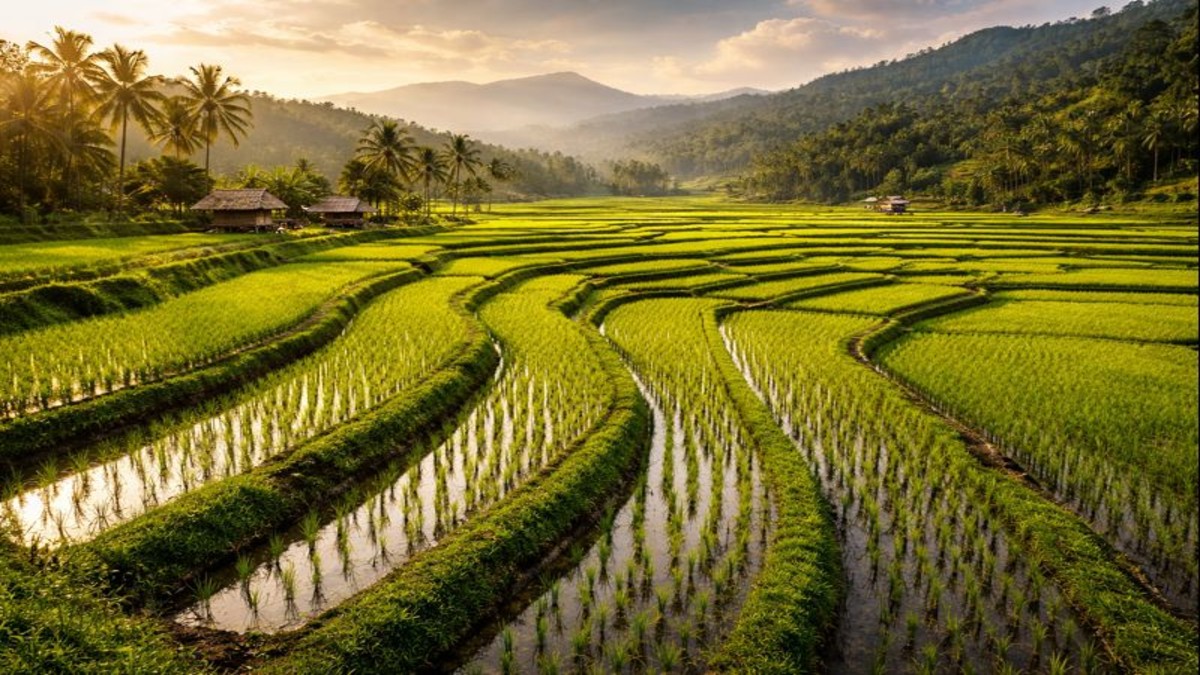
Rice farmland plays a vital role in feeding more than half of the world’s population. From lush green paddies stretching across Asia to carefully managed fields in Africa and the Americas, rice farms are more than just agricultural land—they are lifelines for billions of people. Let’s explore what rice farmland is, how it works, and why it matters so much to our planet and our plates.
What Is Rice Farmland?
Rice farmland refers to agricultural land specifically prepared and managed for growing rice. Unlike many other crops, rice is often cultivated in flooded fields known as paddy fields. These shallow, water-filled plots create the perfect environment for rice plants to thrive while keeping weeds and pests under control.
Rice farmland can be found in lowlands, river deltas, terraces on hillsides, and even coastal plains. Each region adapts rice farming techniques based on climate, soil, and water availability.
Types of Rice Farmland
Rice is grown under different farming systems, each suited to local conditions:
- Irrigated Rice Fields
These are the most common and productive rice farmlands. Water is carefully controlled using canals, dikes, and pumps. - Rainfed Lowland Fields
These rely mainly on rainfall. Yields can vary depending on weather patterns. - Upland Rice Farms
Rice is grown on dry land without flooding, similar to wheat or maize farming. - Terraced Rice Fields
Built on hillsides, terraces prevent soil erosion and make efficient use of water. Famous examples include the rice terraces of Southeast Asia.
How Rice Farmland Is Prepared
Preparing rice farmland is a detailed process that ensures healthy crop growth:
- Land leveling to ensure even water distribution
- Plowing and puddling to soften soil and reduce water loss
- Seedling transplantation or direct seeding
- Flooding to suppress weeds and stabilize temperatures
This preparation may look simple, but it requires experience, timing, and careful planning.
Importance of Water in Rice Farming
Water is the heart of rice farmland. Traditional rice varieties grow best in standing water, which helps control weeds and provides nutrients. However, water management is becoming increasingly important due to climate change and water scarcity.
Modern rice farms now use techniques like alternate wetting and drying (AWD) to save water while maintaining yields. This approach reduces water use and lowers greenhouse gas emissions.
Soil and Climate Requirements
Rice farmland thrives in:
- Clay or loamy soils that retain water
- Warm temperatures (20–35°C)
- High humidity
- Abundant sunlight
These conditions explain why rice is dominant in tropical and subtropical regions.
Rice Farmland and Food Security
Rice farmland is crucial for global food security. In many countries, rice is eaten daily and provides a major share of calories and nutrition. Millions of small-scale farmers depend on rice fields for income, making rice farming both a food and economic system.
When rice farmland is damaged by floods, droughts, or pests, entire communities can face food shortages. Protecting and improving rice farmland is therefore a global priority.
Environmental Impact of Rice Farmland
Rice farming has both positive and negative environmental effects.
Positive impacts:
- Supports biodiversity in wetland ecosystems
- Helps recharge groundwater
- Provides habitats for fish, birds, and insects
Challenges:
- Methane emissions from flooded fields
- High water consumption
- Soil degradation if poorly managed
Sustainable rice farming practices aim to balance productivity with environmental care.
Modern Technology in Rice Farmland
Today’s rice farmland is evolving with technology:
- High-yield rice varieties
- Precision irrigation systems
- Drones for monitoring crops
- Soil testing and data-based fertilization
These innovations help farmers produce more rice using fewer resources, which is essential for a growing global population.
Conclusion
Rice farmland is much more than fields of green plants—it is the foundation of food security, rural livelihoods, and cultural identity for billions of people. As the world faces climate and population challenges, protecting and improving rice farmland is essential. With smart farming practices and sustainable management, rice fields will continue to nourish the world for centuries to come.
FAQs About Rice Farmland
1. Why is rice grown in flooded fields?
Flooded fields help control weeds, regulate temperature, and improve nutrient availability for rice plants.
2. Which countries have the most rice farmland?
Countries like China, India, Indonesia, Bangladesh, and Vietnam have some of the largest areas of rice farmland.
3. Is rice farming harmful to the environment?
It can be if poorly managed, but sustainable practices greatly reduce environmental impact.
4. Can rice be grown without flooding?
Yes, upland rice and modern techniques allow rice to grow with less or no standing water.
5. How does climate change affect rice farmland?
Climate change can cause droughts, floods, and temperature stress, all of which can reduce rice yields.

Freelance Jobs for Beginners USA (Start with No Experience)

Side Hustle Ideas from Home USA (No Experience Needed) – Beginner’s Guide

Online Jobs from Home USA (Daily Pay) – Start Earning Instantly

Beton Celular Autoclavizat: The Future of Lightweight, Eco-Friendly Construction

Goblets: A Timeless Symbol of Elegance and Celebration

AI Tools for Making Money Online Free (Best 2026 Guide)

Passive Income Apps USA Free: Earn Money Effortlessly in 2026

How to Earn Money from Home Without Investment

ChatGPT Alternatives Free No Login (2026 Guide)

Everything You Need to Know About Koeas

Ishraq Time in Delhi: What It Is, When It Happens, and Why It Matters
Beton Celular Autoclavizat: The Future of Lightweight, Eco-Friendly Construction

Read OPM Manga Online: Where and How to Enjoy One Punch Man Legally

Technisches Gymnasium: Your Gateway to Engineering and Technology

Why Every Small Business Needs a Digital Marketing Agency
Goblets: A Timeless Symbol of Elegance and Celebration

Gold Shower: Nature’s Cascading Yellow Wonder

The Indian Bow: A Legacy of Precision, Power, and Tradition

Robert Provost: A Life of Leadership, Community, and Vision

Are Political Donations Tax Deductible?
Freelance Jobs for Beginners USA (Start with No Experience)
Side Hustle Ideas from Home USA (No Experience Needed) – Beginner’s Guide
Online Jobs from Home USA (Daily Pay) – Start Earning Instantly
Beton Celular Autoclavizat: The Future of Lightweight, Eco-Friendly Construction
Goblets: A Timeless Symbol of Elegance and Celebration
AI Tools for Making Money Online Free (Best 2026 Guide)
Passive Income Apps USA Free: Earn Money Effortlessly in 2026
How to Earn Money from Home Without Investment
ChatGPT Alternatives Free No Login (2026 Guide)
Everything You Need to Know About Koeas

 entertainment7 months ago
PYT Telegram: A Complete Guide to Understanding, Using, and Maximizing It

 entertainment7 months ago
OnionFlix: Everything You Need to Know About This Streaming Website
- others6 months ago
Nook vs Kindle: Which E-Reader Is Right for You?
- gaming7 months ago
Melisandre: The Enigmatic Priestess of Game of Thrones