others
Rutile – Properties, Uses, and Industrial Importance

Introduction to Rutile
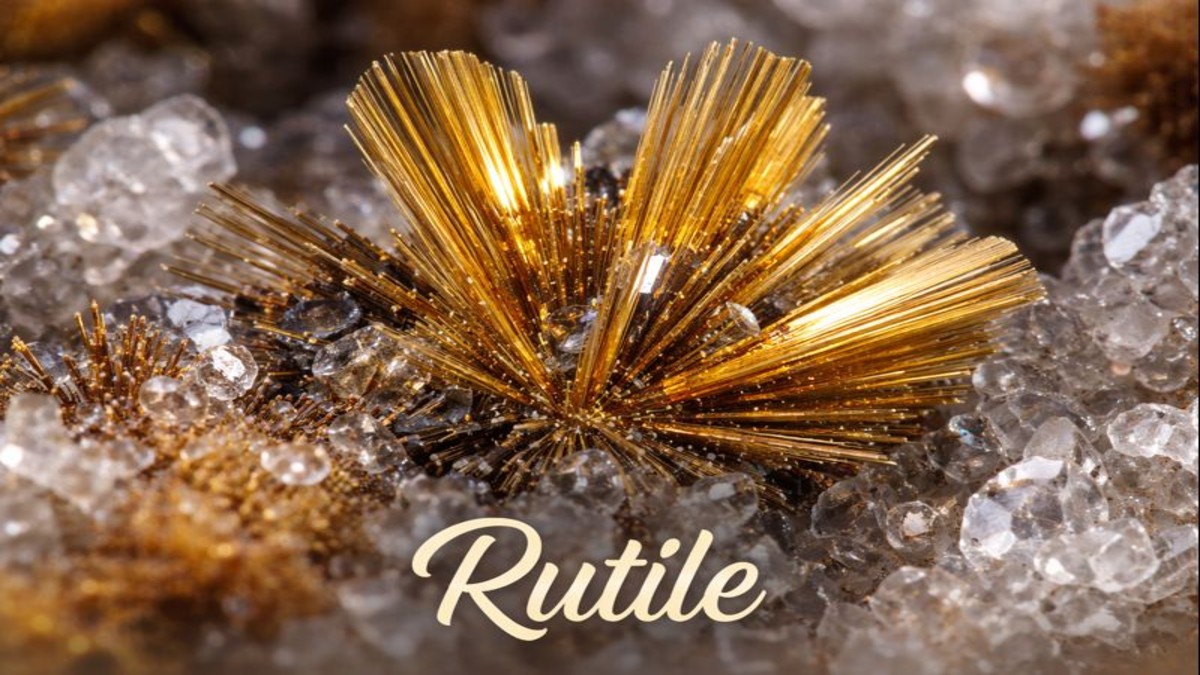
Rutile is a naturally occurring mineral and one of the most important sources of titanium. Known for its brilliant luster and reddish-brown to black color, it plays a massive role in industries ranging from aerospace engineering to cosmetics. If you’ve ever used sunscreen, paint, or flown in an aircraft, chances are rutile contributed to it in some way.
What is Rutile?
Rutile is a mineral made primarily of titanium dioxide (TiO₂). With its high refractive index and durability, it’s a key ingredient in producing titanium metal and white pigments.
Natural Occurrence
Rutile commonly forms in igneous and metamorphic rocks and also accumulates in beach sands and placer deposits. These concentrated deposits are where most commercial mining takes place.
Physical and Chemical Properties
Crystal Structure and Composition
Rutile crystallizes in a tetragonal structure and contains around 95% titanium dioxide. Its high melting point and strong atomic bonding make it ideal for high-performance applications.
Color Variations and Appearance
Although rutile is typically reddish-brown or black, it can appear golden or even transparent in gemstone quality. These gem-quality pieces are sometimes cut and polished for jewelry.
Formation of Rutile in Nature
Igneous and Metamorphic Origins
Rutile develops when rocks undergo intense heat and pressure. Over time, these conditions transform minerals and concentrate titanium into rutile crystals.
Placer Deposits and Mining Locations
Rutile often washes into shorelines, forming rich placer deposits. These coastal deposits are mined due to their accessibility and high purity.
Major Applications of Rutile
Titanium Dioxide Production
Rutile is the primary raw material used to manufacture titanium dioxide, a compound famous for its brightness, durability, and non-toxicity.
Pigments and Paint Manufacturing
If a product needs a bright, lasting white finish—like paper, paint, or plastic—titanium dioxide from rutile is often behind it. It provides opacity, brightness, and UV resistance.
Aerospace and Industrial Uses
Titanium metal derived from rutile is lightweight, corrosion-resistant, and extremely strong. This makes it ideal for jet engines, spacecraft components, and medical implants.
Rutile in Technology and Modern Innovations
Welding and Metallurgical Applications
Rutile is used to coat welding electrodes because it stabilizes the arc and improves the overall welding finish. It ensures cleaner welds and reduced spatter.
Optical and Electronic Uses
Due to its refractive properties, rutile is used in optical instruments and even research technologies. Synthetic rutile crystals are also used in electronics and photonic devices.
Economic Value and Global Demand
Leading Producers and Market Trends
Rutile remains in high demand due to its role in manufacturing titanium metal and pigments. Industries worldwide rely on steady availability to maintain production standards.
Why Rutile Remains in High Demand
From household products to cutting-edge technology, rutile supports daily living and innovation. Its combination of performance, safety, and versatility gives it lasting economic importance.
Environmental and Sustainability Factors
Mining Impact
As with many minerals, rutile extraction affects local ecosystems. Responsible mining practices are necessary to reduce erosion and habitat disruption.
Responsible Sourcing Efforts
Environmental regulations and sustainability certifications are helping ensure rutile production remains more eco-friendly and socially accountable.
Comparison With Other Titanium Minerals
Rutile vs Ilmenite
Ilmenite contains less titanium dioxide and requires additional processing, while rutile offers higher purity and efficiency.
Rutile vs Anatase
Both are forms of titanium dioxide, but rutile is more stable and suitable for industrial use, whereas anatase is often used in coatings and specialized chemical processes.
Conclusion
Rutile may look like an ordinary mineral at first glance, but its influence reaches across countless industries. From aerospace engineering and technological innovation to everyday products like paint and sunscreen, rutile plays a vital role. Its durability, stability, and high titanium content make it an irreplaceable resource in the modern world.
FAQs
1. What is rutile mainly used for?
Rutile is primarily used for producing titanium dioxide and titanium metal.
2. Where is rutile found?
It is found in igneous and metamorphic rocks and concentrated coastal placer deposits.
3. Why is rutile important in industry?
Its purity, high melting point, and stability make it ideal for aerospace, pigments, welding, and electronics.
4. Is rutile used in everyday products?
Yes, it is used in paint, cosmetics, paper, plastics, and sunscreens.
5. How is rutile different from ilmenite?
Rutile contains more titanium dioxide and requires less processing, making it more valuable.

Dobutamine: Uses, Mechanism, Dosage, and Side Effects

Nopdle Magazine: Redefining Creative Culture Through Curated Innovation

Shop Easter Basket: The Ultimate Guide to Perfect Easter Gifts

Best Apps to Make Money Online USA (2026 Guide)

How to Start Affiliate Marketing with No Money

Freelance Jobs for Beginners USA (Start with No Experience)

Side Hustle Ideas from Home USA (No Experience Needed) – Beginner’s Guide

Online Jobs from Home USA (Daily Pay) – Start Earning Instantly

Beton Celular Autoclavizat: The Future of Lightweight, Eco-Friendly Construction

Goblets: A Timeless Symbol of Elegance and Celebration
Dobutamine: Uses, Mechanism, Dosage, and Side Effects

Ishraq Time in Delhi: What It Is, When It Happens, and Why It Matters
Beton Celular Autoclavizat: The Future of Lightweight, Eco-Friendly Construction

Read OPM Manga Online: Where and How to Enjoy One Punch Man Legally

Technisches Gymnasium: Your Gateway to Engineering and Technology

Why Every Small Business Needs a Digital Marketing Agency
Goblets: A Timeless Symbol of Elegance and Celebration
Nopdle Magazine: Redefining Creative Culture Through Curated Innovation

Gold Shower: Nature’s Cascading Yellow Wonder

The Indian Bow: A Legacy of Precision, Power, and Tradition
Dobutamine: Uses, Mechanism, Dosage, and Side Effects
Nopdle Magazine: Redefining Creative Culture Through Curated Innovation
Shop Easter Basket: The Ultimate Guide to Perfect Easter Gifts
Best Apps to Make Money Online USA (2026 Guide)
How to Start Affiliate Marketing with No Money
Freelance Jobs for Beginners USA (Start with No Experience)
Side Hustle Ideas from Home USA (No Experience Needed) – Beginner’s Guide
Online Jobs from Home USA (Daily Pay) – Start Earning Instantly
Beton Celular Autoclavizat: The Future of Lightweight, Eco-Friendly Construction
Goblets: A Timeless Symbol of Elegance and Celebration

 entertainment7 months ago
PYT Telegram: A Complete Guide to Understanding, Using, and Maximizing It

 entertainment7 months ago
OnionFlix: Everything You Need to Know About This Streaming Website
- others6 months ago
Nook vs Kindle: Which E-Reader Is Right for You?
- gaming7 months ago
Melisandre: The Enigmatic Priestess of Game of Thrones