
business
Turn Winter Into Income: How to Start a Snow Removal Business

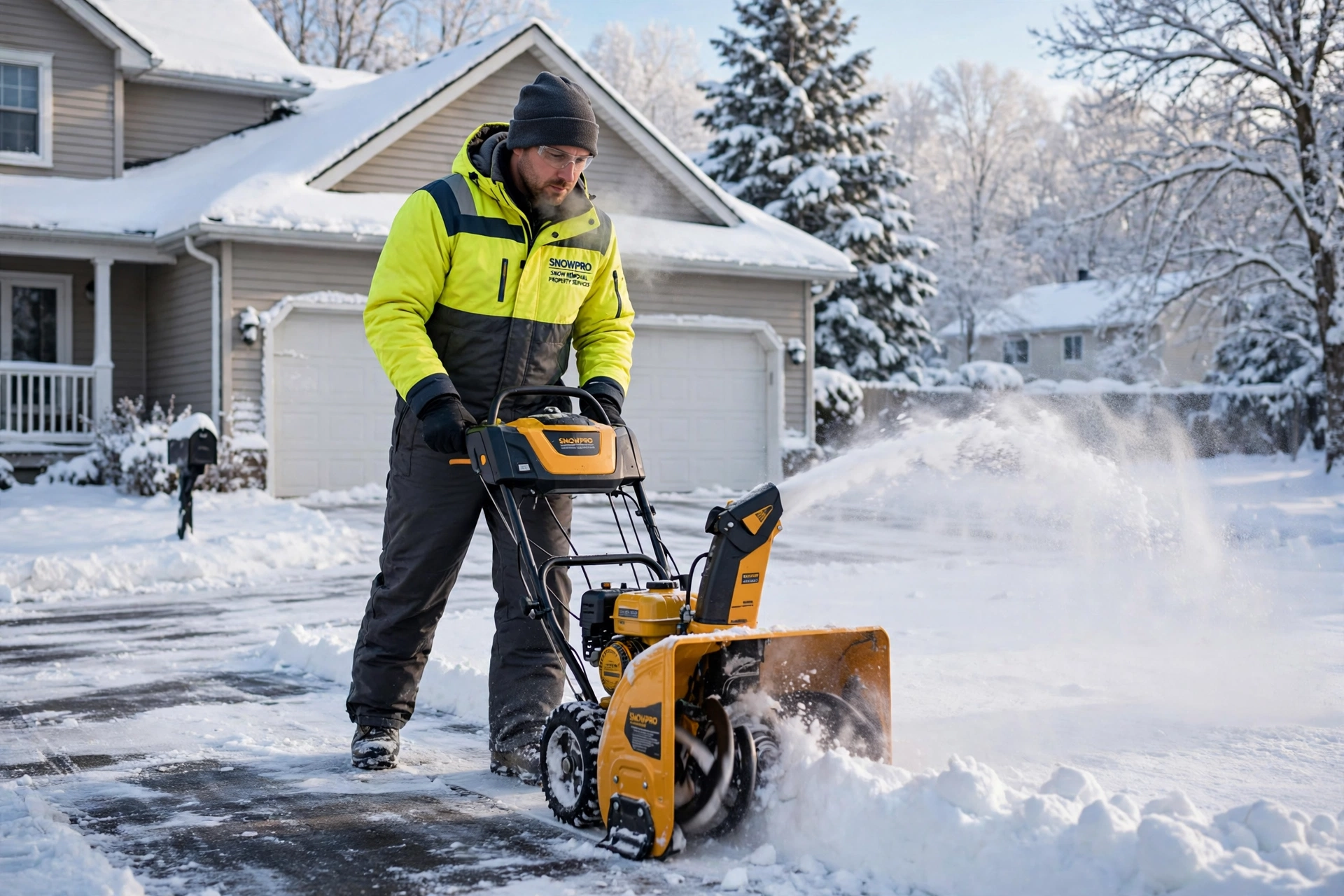
When the first snow falls, driveways disappear, pavements turn slippery, and shop owners need their car parks cleared before opening time. Someone has to do that work, and that someone can be you. If you are wondering how to start a snow removal business, the good news is that it is one of the simplest seasonal businesses to begin. You do not need a shop, a degree, or a large team. You need reliable equipment, a clear plan, and customers who trust you to turn up when the snow does.
This guide walks you through the whole process, from the first idea to your first paid job, in simple steps you can follow even if you have never run a business before.
What Is a Snow Removal Business?
A snow removal business clears snow and ice from driveways, pavements, car parks, and walkways so homes and businesses can keep moving safely through winter. Jobs range from a single driveway cleared with a shovel to a whole car park cleared with a plow, and most customers want the work done early in the morning, before they leave for work or open their shop.
Most jobs take between thirty minutes and a few hours. A small driveway might take twenty minutes with a snow blower, while a large commercial car park can take most of the morning. You set your own hours, you choose the jobs you take, and you get paid when the work is done. Many snow removal businesses also offer de-icing and salting, which keeps paths safe after the snow has been cleared.
Is a Snow Removal Business a Good Idea?
Yes, for the right person it is a strong choice. Snow is predictable in one important way: every winter, in snowy areas, people need it cleared. Homeowners, landlords, shops, offices, and schools all need clear, safe access, and many of them cannot clear heavy snow themselves or do not own the right equipment.
Learning how to start a snow removal business also suits people who like physical work outdoors and do not mind early mornings. The season is short but busy, which means you can earn a good income in a few months and use the rest of the year for other work. Some owners run a snow removal business in winter and a lawn care or landscaping business in summer, using the same customers and the same vehicle all year round.
Before you begin, be honest about your area. A snow removal business only works where snow falls regularly. If your town gets just one light snowfall a year, there will not be enough work. If it snows several times each winter, demand will be steady.
Step 1: Write a Simple Snow Removal Business Plan
Every new business needs a plan, even a short one. A snow removal business plan does not have to be a long document. One or two pages is enough if it answers the right questions.
Write down who your customers will be: homeowners, landlords, letting agents, shops, offices, or schools. Note what you will charge, what your monthly costs will be, and how many jobs you need each week to cover them. Add a simple goal for your first winter, such as twenty regular customers or a set amount of income.
Your plan also helps you decide what to buy first and what can wait. A second snow blower can wait. A dependable first machine cannot. Keep the plan on paper and check it once a month during the season. When the numbers change, update the plan.
Step 2: Decide Your Services
Decide what you will clear and what you will not. Most beginners start with residential snow removal: driveways, walkways, steps, and pavements outside homes. Some also take on small commercial jobs, such as shop fronts and small car parks.
Be clear about what you will not handle, such as clearing snow from roofs or working on steep, dangerous surfaces. Those jobs need specialist skills and equipment, and taking them without the right setup can cause serious trouble. A clear service list protects you and helps customers know exactly what to expect.
Think about extra services that earn money between snowfalls. De-icing and salting paths, spreading grit on car parks, and clearing ice from steps are all services customers ask for, and they keep you earning even when no fresh snow has fallen.
Step 3: Pick a Name People Can Remember
A good name helps customers remember you and recommend you. When you look for a name for your snow removal business, the best ones are short, easy to spell, and clear about what you do. Names that include your town or area can help too, because customers often search for snow clearing near them.
Before you settle on a name, check three things:
- No other local business is already using it.
- The matching domain name is available for your website.
- The name is free on the social media pages you plan to use.
Avoid names that are hard to pronounce or spell, and skip clever puns that nobody understands. A simple name like “BrightSnow Clearance” or “Your Town Snow Removal” is easy to remember and easy to find online. Once you choose, use the same name everywhere: your vehicle, your invoices, your website, and your business cards.
Step 4: Register Your Business and Check Local Rules
Before you take paid jobs, set up the legal side properly. Register as a sole trader or form a small company, depending on what suits you, and keep your business money separate from your personal money from day one.
Check whether you need a licence or permit for snow clearing work in your area. Rules differ by location. Some places ask for a general business licence, while others have rules about where cleared snow can be piled and how much salt can be spread near drains and waterways. A quick check with your local council or licensing office will tell you what applies to you.
Other paperwork worth sorting early includes:
- A simple contract or job sheet for each customer
- A clear cancellation and payment policy
- Records of every job, invoice, and expense for tax time
Getting this right at the start saves you stress later and shows customers that you run a proper, trustworthy business.
Step 5: Get Insurance Before Your First Job
Insurance is one of the most important steps when you start a snow removal business. Cover for a snow removal business protects you if something goes wrong on a job, for example if a customer slips on a path you cleared or your plow damages a driveway.
At minimum, look at public liability cover, which protects you against claims from customers and members of the public. If you carry expensive machines in your vehicle, equipment cover is worth considering too. If you later hire a helper, you will also need employers’ liability cover.
Shop around and compare a few quotes. The cheapest policy is not always the best, so check what each policy actually covers and what it excludes. Keep your policy documents safe and renew on time, because working without cover is a risk you do not need.
Step 6: Gather Your Snow Removal Equipment
Good snow removal equipment saves your back, protects your customers’ property, and makes every job faster. Start with the basics: a sturdy snow shovel, a snow blower, ice melt or grit, a salt spreader, warm waterproof clothing, gloves, and a torch for early-morning jobs.
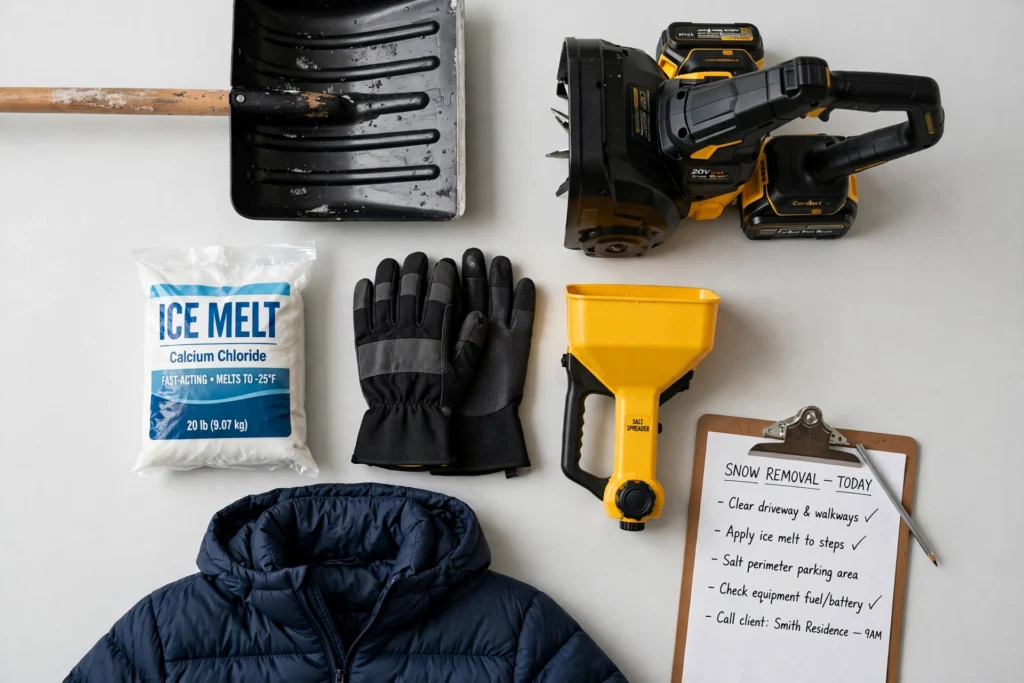
Buy quality machines first, because cheap ones break down in the middle of a snowstorm, which is exactly when you need them most. A single-stage snow blower suits small driveways, while a two-stage blower handles deep snow and larger areas. Keep spare fuel, spare shear pins, and a basic tool kit in the vehicle so a small fault does not end your working day.
Keep a checklist in the vehicle so nothing gets left behind at a customer’s home. Over time you can add specialist items such as a roof rake, a walk-behind salt spreader, or a bigger blower, but the basics will carry your first season.
Step 7: Choose Your Vehicle: A Snow Removal Truck
Your vehicle is your workshop on wheels, so it matters more than anything else. A snow removal truck can be a pickup with a plow fitted to the front, or a large van carrying a snow blower and shovels. Most beginners start with a reliable used pickup or van they can afford outright, then upgrade once the jobs are coming in.
A pickup with a plow is the classic setup for a snow plow business, because it clears large driveways and car parks quickly. A van is a good choice if most of your jobs are residential snow removal for small driveways, where a snow blower does the work and the van simply carries your kit.
When you compare vehicles, check the load size, fuel costs, and how easy it is to load in the dark and cold. A vehicle that is too small means two trips for one job, which eats your income. A vehicle that is too big costs more to run and is harder to park on narrow snowy streets. Pick the size that fits the jobs you plan to take, and keep your snow removal truck clean and tidy: it is a moving advert for your business.
Step 8: Learn How to Price Snow Removal Jobs
Pricing is where many beginners guess, and guessing costs money. Learning how to price snow removal jobs well is a skill worth building early. Look at what other snow clearing firms in your area charge, then set your prices so you cover your costs and earn a fair wage.
Most snow removal businesses charge in one of three ways:
- Per visit: a flat fee each time you clear a driveway or car park. Simple and easy for customers to understand.
- Per season: a fixed price for the whole winter, covering every snowfall. Customers like knowing the cost upfront, and you get steady income.
- Per hour: useful for large or unusual jobs where you cannot see the work first.
When you set your price, count everything: fuel, wear on your machines, ice melt, travel time, and your own time. A clear written quote protects you and the customer. Never quote a price for a job you have not seen, unless the customer sends clear photos of the area. A long steep driveway takes far longer than a short flat one, and your price should reflect that.
Do not set your prices too low just to win jobs. Cheap prices attract customers who leave when a cheaper clearer appears. Fair prices, good work, and a friendly manner keep customers for years.
Step 9: Win Snow Removal Contracts and Find Your First Customers
Your first customers will usually come from people you already know, local notice boards, and free listings online. Tell friends, family, and neighbours what you do, and ask them to pass your number on. A simple flyer through local doors, with your phone number and a short list of what you clear, still works well.
Seasonal snow removal contracts are the backbone of a snow removal business. Offer homeowners and small businesses a fixed-price contract for the whole winter, so they know their driveway or car park will be cleared after every snowfall without calling you each time. Contracts give you guaranteed income and a planned route, which makes each snowy morning far more efficient.
Ask every happy customer for a short review and permission to share it. Reviews build trust fast, and trust is what turns a one-off job into repeat calls and referrals. Good snow removal marketing does not need a big budget: a tidy van, a simple website, and honest reviews bring more work than any expensive advert. Answer the phone quickly, turn up when you say you will, and leave the path clear and safe. In this trade, reliability is your best advert.
Step 10: Hire Help When the Snow Gets Heavy
There comes a point when one pair of hands is not enough. A heavy snowfall can bring more calls in one morning than a single person can handle, and customers who wait all day for a clearer who never arrives will not call again.
If your diary is full every time it snows, it may be time to hire a helper. Start with part-time help on snowy days before committing to a full-time employee. When you do hire, learn how to pay employees small business owners need to follow the rules in your area: register as an employer, keep proper payroll records, and pay on time. A reliable helper who turns up in bad weather, works carefully, and treats customers well is worth every penny, because they let you take on more jobs and earn more.
Common Mistakes to Avoid
New snow removal owners often make the same few mistakes. Avoid these and you will be ahead of most beginners:
- Undercharging: low prices feel helpful at first, but they leave no room for fuel, machine repairs, quiet weeks, or holidays.
- No written quote: always confirm the price and scope in writing before you start.
- Skipping insurance: one accident without cover can wipe out a whole season of earnings.
- No contracts: working only on call-outs means you never know how much work tomorrow will bring. Seasonal contracts give you a steady base.
- Ignoring the forecast: check the weather every evening and plan your route before the snow falls, so you are ready at dawn instead of scrambling.
How Much Can You Earn?
Earnings vary with your area, your prices, and how many snowfalls your town gets each winter. A snow removal business working full time through a snowy winter with a steady list of contract customers can earn a comfortable seasonal income, especially once repeat customers and referrals fill the diary. The first winter is usually the slowest, so keep your costs low and focus on building a good reputation.
Your income grows as your reputation grows. Customers pay more for a clearer they trust, and they recommend that clearer to everyone they know. Reliability, tidy work, and clear communication are what turn a new snow removal business into the first call in the neighbourhood when the snow starts falling.
Frequently Asked Questions
Do I need experience to start a snow removal business?
No formal experience is needed, but practical sense helps. You should be comfortable working outdoors in cold weather, driving in snow, and handling a snow blower safely. A short course on safe lifting and machine handling is a smart first step.
How much does it cost to start a snow removal business?
Most people start with a snow blower, shovels, ice melt, and a vehicle they already own, plus insurance and a small advertising budget. Because you can work from home and buy machines as jobs pay for them, the starting costs stay modest compared with most other businesses.
What is the best vehicle for snow removal?
A pickup with a plow suits larger jobs and car parks, while a van carrying a snow blower suits small residential driveways. A snow removal truck with a plow fitted clears big areas fastest, but the right choice depends on the jobs you plan to take.
Should I offer seasonal contracts or charge per visit?
Seasonal contracts give you steady, guaranteed income and a planned route, which most owners prefer. Per-visit pricing is simpler for one-off customers. Many businesses offer both: contracts for regular customers and per-visit prices for everyone else.
Is a snow removal business only for winter?
The work itself is seasonal, but the business does not have to be. Many owners use the same customers and vehicle for summer work such as lawn care or landscaping, so the business earns all year round.
Final Thoughts
Learning how to start a snow removal business is mostly about taking small, sensible steps in the right order. Write a simple plan, choose your services, pick a clear name, sort out your registration and insurance, gather good equipment, set fair prices, and then tell everyone you know that you are open for work.
You do not need to be perfect on day one. You need to be reliable, honest, and good at the jobs you take on. Do that consistently, and the reviews, referrals, and repeat customers will follow. Winter comes every year — now go and make it pay.

Turn Winter Into Income: How to Start a Snow Removal Business

How to Start a Handyman Business: Simple Steps That Turn Your Skills Into Income

How to Start a Moving Company: Simple Steps That Win Your First Jobs

How to Start a Junk Removal Business: A Simple Step-by-Step Guide

How to Start a Pest Control Business: Simple Steps That Win Your First Customers

How to Start a Carpet Cleaning Business: Simple Steps

How to Start a Gutter Cleaning Business: Simple Steps That Turn Your Ladder Into Income

How to Start a House Painting Business: Simple Steps That Turn Your Painting Skills Into Income

How to Start a Window Cleaning Business: Simple Steps That Turn Your Skills Into Income

How to Start a Pet Grooming Business: Simple Steps That Turn Your Love of Animals Into Income

How to Repurpose Blog Content for Social Media Without Starting From Scratch

How to Write a Simple Business Plan for Your Small Business: A Practical Guide That Gets You Started

How to Create a Small Business Content Marketing Plan That Actually Gets Results

How to Get More Clients for Your Business: Simple Ways That Actually Work
How to Handle Customer Complaints in a Small Business: A Calm, Practical Guide That Turns Problems Into Loyalty
How to Create a Content Calendar for a Small Business

How to Write a Professional Business Email That Gets a Reply
How to Set Up a Simple Referral Program for Your Small Business: A Beginner’s Guide That Brings in New Customers

How to Set SMART Goals for a Small Business: A Practical Guide That Actually Works

Branding Tips for Small Businesses: A Simple Guide That Makes You Memorable
Turn Winter Into Income: How to Start a Snow Removal Business
How to Start a Handyman Business: Simple Steps That Turn Your Skills Into Income
How to Start a Moving Company: Simple Steps That Win Your First Jobs
How to Start a Junk Removal Business: A Simple Step-by-Step Guide
How to Start a Pest Control Business: Simple Steps That Win Your First Customers
How to Start a Carpet Cleaning Business: Simple Steps
How to Start a Gutter Cleaning Business: Simple Steps That Turn Your Ladder Into Income
How to Start a House Painting Business: Simple Steps That Turn Your Painting Skills Into Income
How to Start a Window Cleaning Business: Simple Steps That Turn Your Skills Into Income
How to Start a Pet Grooming Business: Simple Steps That Turn Your Love of Animals Into Income

 entertainment1 year ago
PYT Telegram: A Complete Guide to Understanding, Using, and Maximizing It

 entertainment1 year ago
OnionFlix: Everything You Need to Know About This Streaming Website
- education1 year ago
How to Become a Software Engineer: A Complete Guide
- others1 year ago
Nook vs Kindle: Which E-Reader Is Right for You?





