
business
How to Start a Handyman Business: Simple Steps That Turn Your Skills Into Income

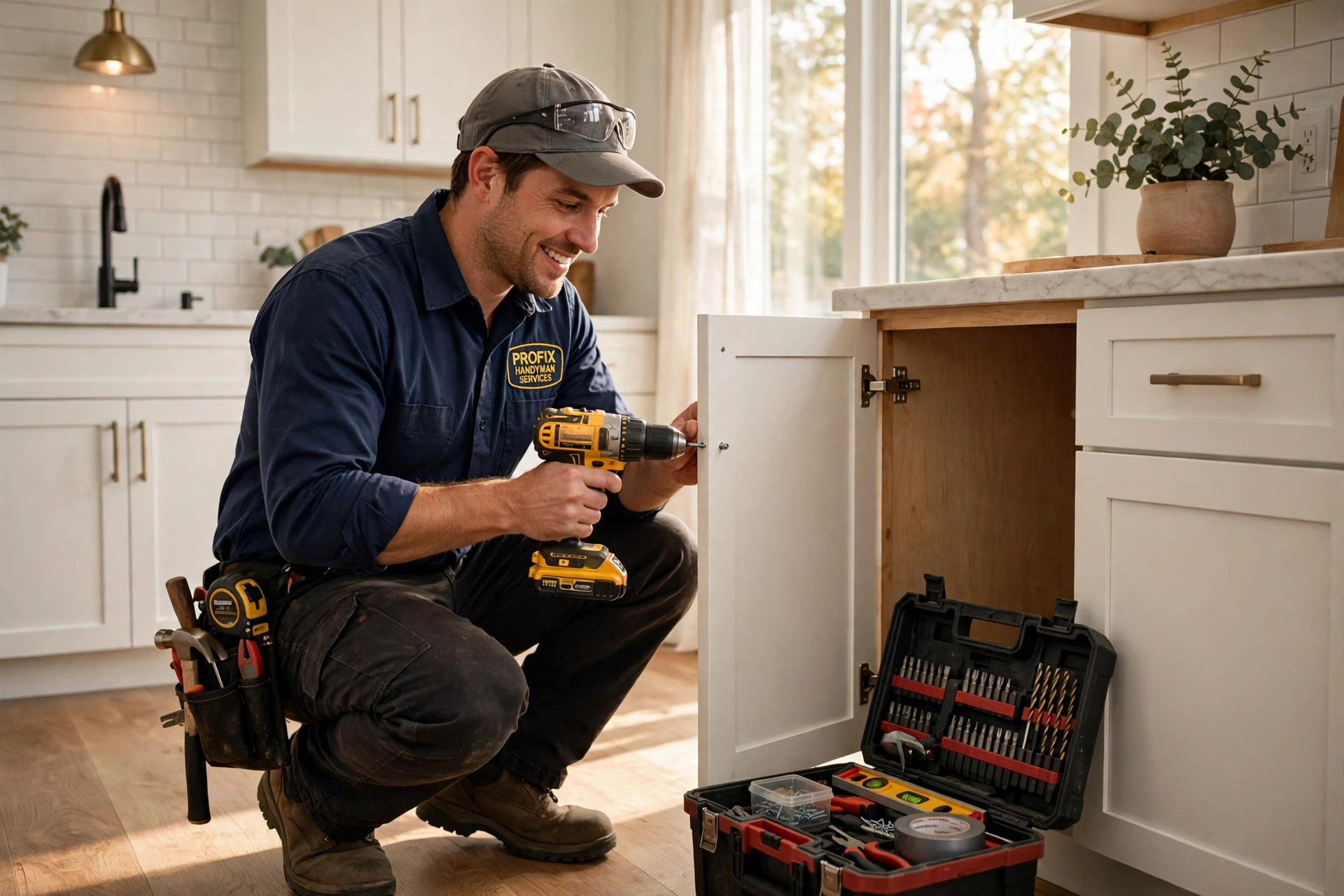
If you are good with your hands and enjoy fixing things, learning how to start a handyman business could be one of the smartest moves you make. Homeowners always need someone reliable to fix a leaking tap, hang a shelf, repair a door or patch a wall, and many of them would rather pay a trusted local handyman than wait weeks for a big contractor.
The good news is that starting a handyman business does not need a shop, a big team or a huge budget. You can start small, work from home, and grow job by job. This guide walks you through every step, from planning and naming your business to pricing jobs and winning your first customers.
What Is a Handyman Business?
A handyman business offers small repair, maintenance and improvement jobs for homes and small offices. Unlike a specialist plumber or electrician, a handyman handles a wide mix of everyday tasks: fixing doors and windows, assembling furniture, painting a room, replacing a light fitting, repairing fences, sealing a bath, or putting up shelves.
Most handyman jobs take a few hours, not days, which means you can fit several jobs into one week and get paid quickly. Customers love the convenience, and that steady demand is what makes this such a practical business to start.
Is Starting a Handyman Business a Good Idea?
Yes, for the right person it is a strong choice. Demand for home repairs stays steady in every season because homes always need looking after. The work is local, repeat customers are common, and your costs stay low because you do not need expensive premises.
Starting a handyman business also suits people who like variety. No two days are the same: one morning you might be fixing a garden gate, and by the afternoon you could be fitting a new kitchen tap. If you enjoy solving problems and meeting people, this business rewards both.
Before you begin, be honest about your skills. You do not need to know everything on day one, but you should be confident with basic tools and common household repairs. Jobs that need a licensed gas engineer or a qualified electrician should always go to a specialist.
Step 1: Learn the Skills and Decide Your Services
The first step in starting a handyman business is deciding what you will actually offer. Write down every repair or improvement task you can already do well. Then think about which of those tasks local homeowners ask for most often.
Popular handyman services include:
- Door, window and lock repairs
- Flat-pack furniture assembly
- Painting, decorating and minor plastering
- Shelving, curtain rails and TV mounting
- Leaking taps, toilet fixes and basic plumbing repairs
- Fence, decking and garden gate repairs
- Caulking, sealing and tiling touch-ups
- Drywall patching and small carpentry jobs
Choose a clear set of services and say so on your website and flyers. Customers book faster when they can see exactly what you do. You can always add new services later as your skills grow.
Step 2: Write a Simple Handyman Business Plan
Every new business needs a plan, even a one-person handyman business. A handyman business plan does not need to be long or complicated. One or two pages is enough, as long as it answers the important questions.
Your plan should cover:
- Your services: the jobs you will offer and the ones you will not touch.
- Your customers: homeowners, landlords, letting agents or small offices in your area.
- Your prices: your hourly rate, call-out fee and minimum charge.
- Your costs: tools, fuel, insurance, phone and advertising.
- Your goals: how many jobs you want each week and how much you want to earn.
Writing it down forces you to think through the numbers before you spend anything. It also helps you spot gaps, such as a service you planned to offer but have no tools for yet. Revisit your plan every few months and update it as the business grows.
Step 3: Pick a Name for Your Handyman Business
A good name helps customers remember you and recommend you. When you look at handyman business names, the best ones are short, easy to spell, and clear about what you do. Names that include your town or area can help too, because customers often search for a handyman near them.
Before you settle on a name, check three things:
- No other local business is already using it.
- The matching domain name is available for your website.
- The name is free on the social media pages you plan to use.
Avoid names that are hard to pronounce or spell, and skip clever puns that nobody understands. A simple name like “BrightFix Handyman” or “Your Town Handyman Services” is easy to remember and easy to find online. Once you choose, use the same name everywhere: your van, your invoices, your website and your business cards.
Step 4: Register Your Business and Get a Handyman Business License
Before you take paid jobs, set up the legal side properly. Register as a sole trader or form a small company, depending on what suits you, and keep your business money separate from your personal money from day one.
You should also check whether you need a handyman business license in your area. Rules differ by location. Some places ask for a general business license, while others require a contractor license for jobs above a certain value. A quick check with your local council or licensing office will tell you what applies to you.
Other paperwork worth sorting early includes:
- A simple contract or job sheet for each customer
- A clear cancellation and payment policy
- Records of every job, invoice and expense for tax time
Getting this right at the start saves you stress later and shows customers that you run a proper, trustworthy business.
Step 5: Get Handyman Business Insurance
Insurance is one of the most important steps when you start a handyman business. Handyman business insurance protects you if something goes wrong on a job, for example if you accidentally damage a customer’s floor or a tool injures someone.
At minimum, look at public liability cover, which protects you against claims from customers and members of the public. If you carry expensive tools in your van, tool cover is worth considering too. If you later hire a helper, you will also need employers’ liability cover.
Shop around and compare a few quotes. The cheapest policy is not always the best, so check what each policy actually covers and what it excludes. Keep your policy documents safe and renew on time, because working without cover is a risk you do not need.
Step 6: Gather Your Tools and Set Up Your Van
You probably already own many of the tools you need. A handyman’s basic kit includes a cordless drill, a good set of screwdrivers, a hammer, a spirit level, a tape measure, pliers, a wrench, a handsaw, a step ladder and a sturdy toolbox. Add specialist tools only when a job pays for them.
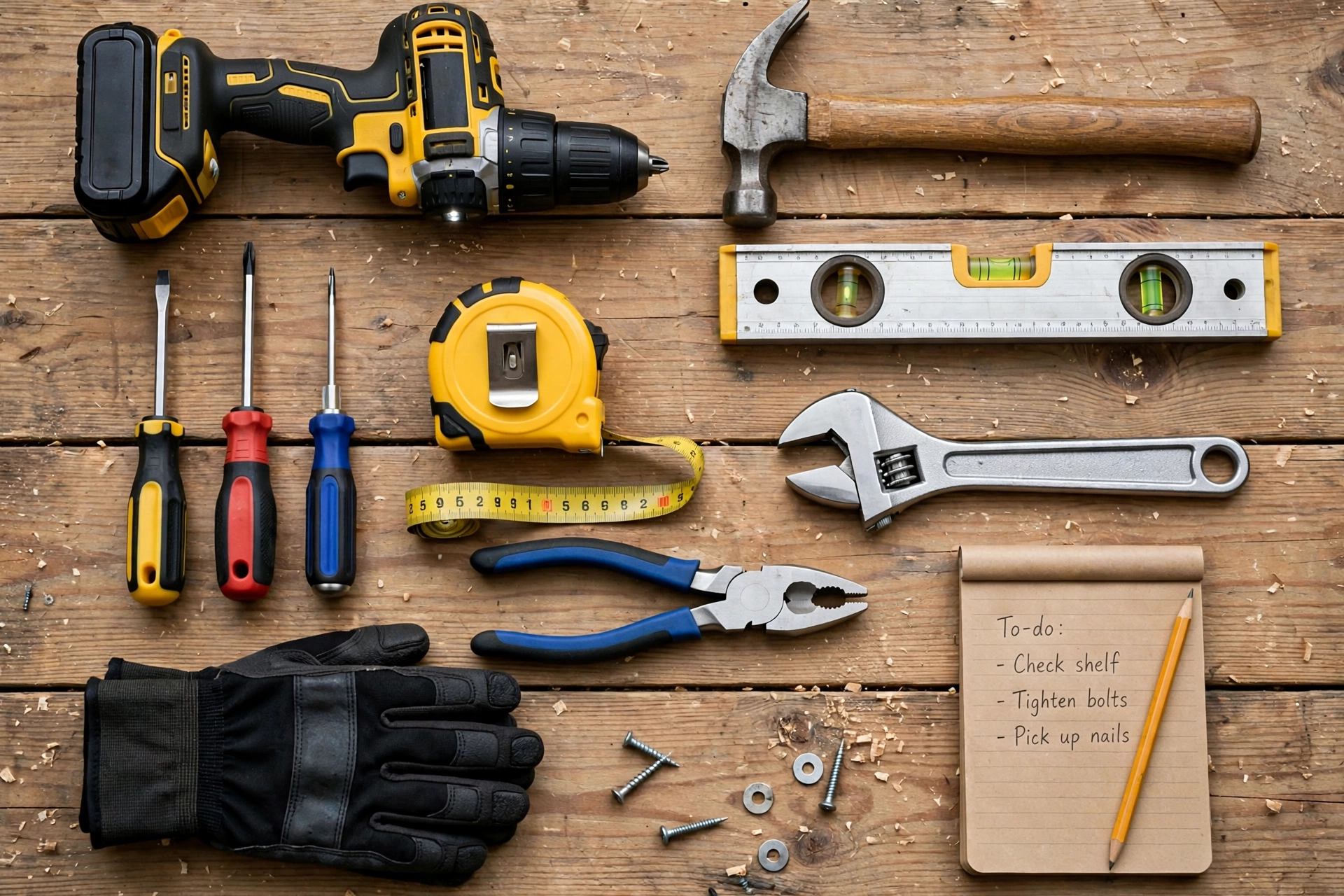
Your vehicle matters too. A reliable van or large car with room for tools and materials is ideal. Keep it clean and organised, because customers notice. A tidy van with your business name on the side is also free advertising every time you drive through a neighbourhood.
Keep a small stock of common supplies in the van: screws, wall plugs, sealant, filler, sandpaper and tape. Having these to hand means you can finish more jobs in a single visit, which customers appreciate.
Step 7: Work Out How to Price Handyman Jobs
Pricing is where many new handymen struggle, so take time to get it right. Learning how to price handyman jobs fairly means covering your costs, paying yourself properly, and still winning work.
Most handymen charge in one of two ways:
- Hourly rate: simple and fair for small jobs. Set a minimum charge, for example one hour, so short visits are still worth your time.
- Fixed quote: better for bigger jobs where you can see the work first. Always visit the property or ask for clear photos before quoting.
When you set your rate, add up your real costs: fuel, tools, insurance, phone, advertising and your own time. Then check what other local handymen charge so your prices sit in a sensible range. Never be the cheapest in town just to win work, because low prices attract difficult customers and leave you no profit.
Always give the price in writing before you start, and confirm whether materials are included. Clear pricing builds trust and prevents arguments when the invoice arrives.
Step 8: Find Your First Customers
Your first jobs usually come from people you already know. Tell friends, family and neighbours that you are starting a handyman business, and ask them to spread the word. A simple post on local community groups and social media can bring your first enquiries within days.
Other ways to find customers include:
- A Google Business Profile so nearby customers can find you on maps and search
- Flyers and business cards in local shops, cafés and noticeboards
- A simple website listing your services, prices and contact details
- Local trade directories and job platforms
- Asking letting agents and landlords if they need a reliable handyman
Whatever you do, answer the phone quickly and reply to messages the same day. Many customers choose the handyman who responds first, not the cheapest one.
Step 9: Keep Customers Coming Back
One-off jobs pay the bills, but repeat customers build a business. After every job, leave the area tidy, explain what you fixed, and let the customer know how to reach you next time. A quick follow-up message a few days later asking if everything is still working well makes a strong impression.
Happy customers are also your best advertising. Ask them to leave a review on Google or your social media page, and ask if they know anyone else who needs help around the house. A short, honest review from a real customer is worth more than any paid advert.
Consider offering a simple maintenance check for regular customers, such as a yearly visit to look at gutters, seals, doors and fences. Small repeat jobs like these keep your diary full between bigger projects.
Step 10: Hire Help When You Grow
There comes a point when one pair of hands is not enough. If you are turning jobs away or your waiting list is weeks long, it may be time to hire a helper. Start with part-time help on busy days before committing to a full-time employee.
When you do hire, learn how to pay employees small business owners need to follow the rules in your area: register as an employer, keep proper payroll records, and pay on time. A reliable helper who turns up, works carefully and treats customers well is worth every penny, because they let you take on more jobs and earn more.
Common Mistakes to Avoid
New handymen often make the same few mistakes. Avoid these and you will be ahead of most beginners:
- Saying yes to every job: turn down work outside your skills, especially gas and complex electrical work.
- Undercharging: low prices feel helpful at first, but they leave no room for costs, quiet weeks or holidays.
- No written quote: always confirm the price and scope in writing before you start.
- Skipping insurance: one accident without cover can wipe out months of earnings.
- Ignoring paperwork: keep every invoice and receipt, or tax time becomes a nightmare.
How Much Can You Earn?
Earnings vary with your area, your rate and how many jobs you complete each week. A handyman working full time with a steady flow of jobs can earn a comfortable living, especially once repeat customers and referrals fill the diary. The first few months are usually the slowest, so keep your costs low and focus on building a good reputation.
Your income grows as your reputation grows. Customers pay more for a handyman they trust, and they recommend that handyman to everyone they know. Reliability, tidy work and clear communication are what turn a new handyman into the first call in the neighbourhood.
Frequently Asked Questions
Do I need a license to start a handyman business?
It depends on where you live. Some areas ask for a general business license, and some require a contractor license for larger jobs. Check with your local council or licensing office before you take paid work, so you start on the right side of the rules.
How much does it cost to start a handyman business?
Most people start with tools they already own, a vehicle, insurance and a small advertising budget. Because you can work from home and buy tools as jobs pay for them, the starting costs stay modest compared with most other businesses.
What services can a handyman offer?
A handyman typically offers small repairs and improvements: fixing doors and windows, assembling furniture, painting, shelving, basic plumbing fixes, fence repairs and drywall patching. Jobs that need a licensed gas engineer or qualified electrician should go to a specialist.
How do I price handyman jobs?
Charge an hourly rate with a minimum charge for small jobs, or a fixed written quote for larger jobs. Cover your real costs, check local rates, and always confirm the price in writing before you start work.
Do I need insurance for a handyman business?
Yes. Public liability cover protects you if you damage a customer’s property or someone is injured while you work. It is one of the first things you should arrange, and many customers will ask whether you are insured before they book you.
Final Thoughts
Learning how to start a handyman business is mostly about taking small, sensible steps in the right order. Choose your services, write a simple plan, pick a clear name, sort out your registration and insurance, set fair prices, and then tell everyone you know that you are open for work.
You do not need to be perfect on day one. You need to be reliable, honest and good at the jobs you take on. Do that consistently, and the reviews, referrals and repeat customers will follow. Your skills can pay your bills — now go and put them to work.

Turn Winter Into Income: How to Start a Snow Removal Business

How to Start a Handyman Business: Simple Steps That Turn Your Skills Into Income

How to Start a Moving Company: Simple Steps That Win Your First Jobs

How to Start a Junk Removal Business: A Simple Step-by-Step Guide

How to Start a Pest Control Business: Simple Steps That Win Your First Customers

How to Start a Carpet Cleaning Business: Simple Steps

How to Start a Gutter Cleaning Business: Simple Steps That Turn Your Ladder Into Income

How to Start a House Painting Business: Simple Steps That Turn Your Painting Skills Into Income

How to Start a Window Cleaning Business: Simple Steps That Turn Your Skills Into Income

How to Start a Pet Grooming Business: Simple Steps That Turn Your Love of Animals Into Income

How to Repurpose Blog Content for Social Media Without Starting From Scratch

How to Write a Simple Business Plan for Your Small Business: A Practical Guide That Gets You Started

How to Create a Small Business Content Marketing Plan That Actually Gets Results

How to Get More Clients for Your Business: Simple Ways That Actually Work
How to Handle Customer Complaints in a Small Business: A Calm, Practical Guide That Turns Problems Into Loyalty
How to Create a Content Calendar for a Small Business

How to Write a Professional Business Email That Gets a Reply
How to Set Up a Simple Referral Program for Your Small Business: A Beginner’s Guide That Brings in New Customers

How to Set SMART Goals for a Small Business: A Practical Guide That Actually Works

Branding Tips for Small Businesses: A Simple Guide That Makes You Memorable
Turn Winter Into Income: How to Start a Snow Removal Business
How to Start a Handyman Business: Simple Steps That Turn Your Skills Into Income
How to Start a Moving Company: Simple Steps That Win Your First Jobs
How to Start a Junk Removal Business: A Simple Step-by-Step Guide
How to Start a Pest Control Business: Simple Steps That Win Your First Customers
How to Start a Carpet Cleaning Business: Simple Steps
How to Start a Gutter Cleaning Business: Simple Steps That Turn Your Ladder Into Income
How to Start a House Painting Business: Simple Steps That Turn Your Painting Skills Into Income
How to Start a Window Cleaning Business: Simple Steps That Turn Your Skills Into Income
How to Start a Pet Grooming Business: Simple Steps That Turn Your Love of Animals Into Income

 entertainment1 year ago
PYT Telegram: A Complete Guide to Understanding, Using, and Maximizing It

 entertainment1 year ago
OnionFlix: Everything You Need to Know About This Streaming Website
- education1 year ago
How to Become a Software Engineer: A Complete Guide
- others1 year ago
Nook vs Kindle: Which E-Reader Is Right for You?





