
business
First Cut, Full Crew: How to Start a Tree Trimming Business

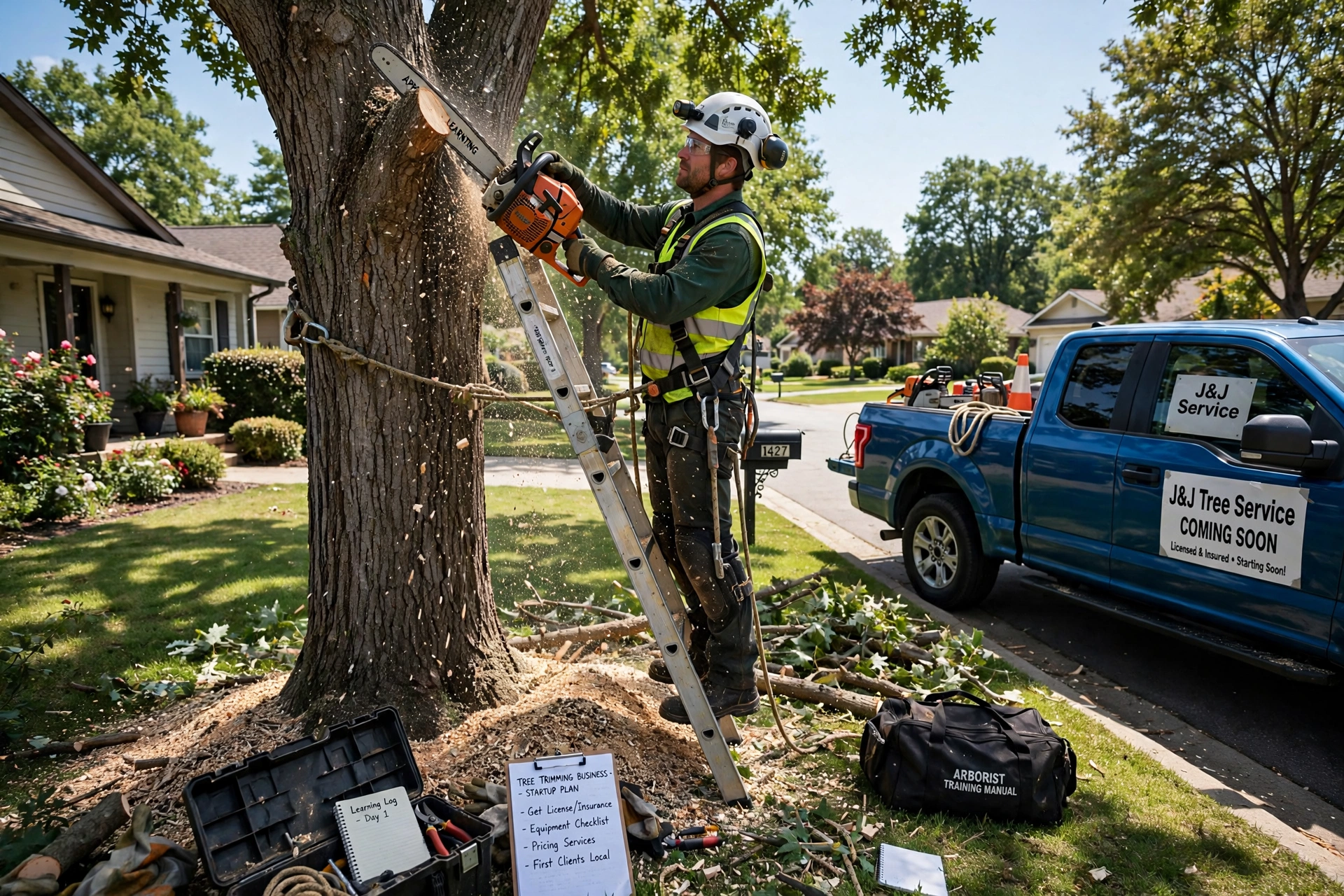
Every street has a tree that needs attention. A branch hangs over a roof after a storm, a maple blocks the light from a kitchen window, or an old oak leans a little too close to a driveway. Homeowners notice these problems every day, and most of them would rather pay a professional than climb a ladder with a chainsaw themselves. That steady, local demand is what makes learning how to start a tree trimming business such a practical way into self-employment.
Tree work is honest, physical work with visible results. You arrive, the garden looks overgrown and risky, and by the time you leave it looks tidy and safe. Customers can see exactly what they paid for, and happy customers tell their neighbours. If you have looked into how to start a tree service business and wondered whether it is possible without a big loan, the answer is yes — with the right skills, the right cover and a sensible first year. The trade also rewards skill and care: the crews that last are the ones that work safely, price fairly and turn up when they say they will.
This guide walks through the whole journey, from your first day learning the trade to hiring your first crew member. Follow the steps in order and you will build a business that earns from its first season and keeps growing.
1. Get Real Experience Before You Charge for It
Tree work is one of the few trades where a mistake can hurt someone badly, so your first step is not buying a chainsaw. It is learning the job properly. Spend time working with an established crew, even if the pay is modest at first. You will learn how to read a tree, how to judge which branches are safe to cut, how to rig a heavy limb down without damaging a roof, and how to work as part of a team on the ground.
Formal training helps too. The International Society of Arboriculture offers the Certified Arborist credential, which is widely respected and needs about three years of full-time experience in tree care. You do not need the certificate on day one, but aiming for it shows customers you take the craft seriously. A chainsaw safety course is worth taking before your first paid job, and first-aid training is just as important when you work at height.
This is also the stage to study the business side. Talk to working arborists about what a job really costs, what insurance they carry and how they find customers. The answers will shape every decision that follows, and they are the reason starting a tree trimming business with field experience behind you is so much safer than starting cold.
2. Choose the Services You Will Offer First
A new tree business cannot do everything on day one, and it should not try. The smartest start is trimming and pruning only. This work needs the least equipment, carries the lowest risk and brings repeat customers, because healthy trees need regular attention. That focus is what makes starting a tree trimming business on trimming alone such a sensible first step. Most of your early income will come from residential tree trimming, where homeowners book you once or twice a year to keep their gardens safe and tidy.
Once trimming is steady, you can add the bigger services one at a time. A tree removal business handles whole trees that are dead, diseased or dangerously placed, but it needs heavier gear, more insurance and a trained crew, so it is a second-year goal for most beginners. A stump grinding business is a natural add-on, because every removal leaves a stump and customers usually want it gone. It needs one specialist machine, which you can rent by the day until the work justifies buying one.
Commercial tree service work for offices, schools and housing estates pays well and brings larger contracts, but it usually asks for proof of insurance, safety records and references first. Build your reputation on home gardens, collect reviews, and let the commercial contracts come when you can show a track record.
3. Write a One-Page Tree Service Business Plan
A business plan does not need to be a fifty-page document. One page is enough if it answers the questions that actually matter. Start with your services and your prices, then your costs: fuel, chainsaw maintenance, insurance, advertising and your own wages. Work out how many jobs a week you need at your average price to cover those costs and still make a profit.
Your tree service business plan should also name your first target area. Tree work is local, so pick a neighbourhood you can reach in twenty minutes and learn it well. Note the local competitors, what they charge and what they do badly. If nobody in your area answers the phone quickly or clears up properly after a job, those two habits alone can win you customers.
Keep the plan on your phone and read it once a month. When a decision comes up, such as whether to buy a chipper or take on a second worker, check it against the plan instead of guessing. A small plan you actually use beats a big plan that sits in a drawer.
4. Register the Business and Sort Your Paperwork
Before your first paid job, make the business official. Choose a business name that is simple, easy to spell and easy to remember, then check that nobody else in your area is already using it. Register the business, get a tax number, and open a separate bank account so business money never mixes with your personal money.
Licences and permits for tree work are local, and the rules change from one town to the next. Some areas ask for a general business licence, others ask for a permit before you work on street trees or trees with a protection order. Check with your local council before you take a booking, because cutting a protected tree without permission can bring a heavy fine. A quick phone call now saves an expensive problem later.
This is also the moment to set up simple records. A notebook or a basic spreadsheet is enough at the start: every quote, every job, every expense. Clean records make tax time painless and show a bank or a lender that your business is real.
5. Get the Right Tree Trimming Business Insurance
Insurance is not optional in this trade. Tree work involves height, heavy wood, power lines and other people’s property, and one accident can cost more than a year of income. At minimum, you need general liability cover, which pays if you damage a customer’s house, car or fence. Ask your insurer what a typical claim looks like and make sure your cover limit is high enough for the houses you work around.
Tree trimming business insurance usually needs more than the basic policy. If you hire anyone, even for a single day, you will need workers’ compensation cover. If you drive a truck full of gear, that vehicle needs commercial cover, not a personal policy. Some customers, especially schools and property managers, will ask to see your insurance certificate before they book, so keep a copy on your phone.
Get quotes from two or three insurers who understand tree work, not just general trades. The cheapest policy is rarely the best one here. Read what is excluded, ask about height limits and make sure climbing work is covered. Good insurance is expensive, but it is what lets you sleep at night after a long day up a tree.
6. Buy the Gear That Pays for Itself
Your kit is your workshop, and buying the right gear in the right order keeps your costs down. Start with a reliable professional chainsaw, a pole saw for high branches, climbing rope and harness, a helmet with ear and eye protection, gloves and sturdy boots. These are the tools you will use on every single job, so buy quality and look after them.

A chipper turns branches into mulch and saves endless trips to the tip, but a new one costs a small fortune. Rent one by the day until you have enough work to justify buying, and ask the hire company about a weekly rate if you have a busy week. The same rule applies to a stump grinding business add-on: rent the grinder by the day until the jobs justify buying one. The same applies to a bucket truck: hire it for the tall jobs and keep your own truck simple. A dependable pickup or small flatbed, a trailer for brush and a set of ropes and rigging gear will carry you through your first year.
Safety gear is never the place to save money. Helmets, harnesses and ropes wear out, and worn gear fails without warning. Inspect everything before each job, replace anything damaged at once and keep a simple checklist in the truck so nothing gets skipped on a busy morning.
7. Price Every Job for Profit, Not Just for the Win
Pricing is where most new tree businesses quietly fail. It is tempting to quote low to win the job, but a cheap quote that loses money on fuel, wear and your time is worse than no job at all. Before you quote, work out your true cost: your time on site, travel, fuel, chainsaw wear, disposal fees and a share of your insurance. Add a real profit margin on top. If the number feels high, remember that customers are paying for skill and safety, not just for someone with a saw.
Homeowners often ask how much does tree trimming cost, and the honest answer is that it depends on the tree. A small fruit tree might take an hour, while a large oak over a roof could take a full day with a crew of three. Give a written quote after you have seen the tree in person, and explain what the price includes: the cutting, the clean-up and the disposal. Customers trust a clear quote far more than a quick guess over the phone.
Never quote a removal or a large trimming job without visiting the site. Photos hide power lines, weak branches and awkward access. A ten-minute visit protects your price and your reputation, and it is also your best chance to win the customer in person.
8. Set Up Simple Systems for Quotes and Invoices
A tree business runs on paper as much as on saws. Set up a simple system for quotes, invoices and payments before you get busy, because the busiest weeks are the worst time to invent one. A basic invoicing app on your phone can send a quote from the customer’s driveway, take a deposit and remind you who still owes money.
Keep your quotes consistent. List the work, the price, the clean-up and the payment terms in the same format every time. When a customer compares your quote with two others, a clear and professional quote stands out even if your price is a little higher.
Track your jobs in a simple diary or scheduling app. Note the address, the work agreed, the price and any special details, such as a locked gate or a dog in the garden. Small details like these are what make a customer feel looked after, and looked-after customers are the ones who book you again next year.
9. Win Your First Customers Close to Home
If you are wondering how to start a tree trimming business without spending a fortune on advertising, start here: your first customers are probably within a few streets of your own home. Start with a Google Business Profile, because most people search for a tree trimmer on their phone and call the first business that looks trustworthy. Add clear photos of your work, your service area and your phone number, and ask every happy customer to leave a review.
Leaflets still work in this trade. A simple flyer through doors on streets with mature trees, especially after a storm, can bring calls the same week. Focus on streets where residential tree trimming is visibly needed — overgrown canopies and branches near roofs — and your flyer will feel personal, not generic. Talk to local gardeners, roofers and estate agents too: they meet homeowners with tree problems all the time, and a friendly introduction can send you steady work.
Word of mouth is the cheapest advertising there is. Turn up on time, protect the lawn, rake up every twig and leave the garden tidier than you found it. Customers remember the clean-up as much as the cutting, and a tidy finish is the reason one job turns into five.
10. Hire Help and Grow Into a Full Crew
You cannot safely climb alone, so your first hire matters more than any piece of equipment. Look for someone with ground experience who is keen to learn climbing, or a trained climber who wants steady work. Pay fairly, train properly and never rush a new worker into a job they are not ready for.
As the crew grows, your role changes. You will spend less time in the tree and more time quoting, scheduling and checking work. That is normal, and it is the sign of a business rather than a job. With two or three workers, you can take on the larger jobs that a tree removal business handles every day, from storm-damaged trees to full garden clearances, and keep working when one person is away. A small crew can also bid for a commercial tree service contract once it has the insurance and references to show.
Grow at a pace your cash flow can support. A second truck, a chipper or a full-time climber should pay for itself from work you already have, not from work you hope to win. The crews that last ten years are the ones that grew one careful step at a time.
Five Mistakes That Sink New Tree Crews
Quoting without seeing the tree. Photos hide power lines, rot and bad access. Visit the site or the quote will cost you money.
Skipping insurance to save money. One damaged roof can end a business that has no cover. Insurance is a cost of trading, not an optional extra.
Working alone at height. Tree work needs a second person on the ground. Never climb without someone who can call for help.
Forgetting the clean-up. Customers judge the whole job by the state of their garden when you leave. Rake, sweep and take the brush away.
Charging by gut feeling. Price from your real costs, not from what you think the customer will pay. A business that loses money on every job does not survive its first winter.
Frequently Asked Questions
How much does tree trimming cost for a homeowner?
It depends on the size and position of the tree. Small trees can cost a modest fee for an hour of work, while a large tree over a roof needs a crew and a full day. The best way to find out is a free visit and a written quote, because no two trees are the same.
Do I need a licence to trim trees?
Rules are local, so check with your council before you start trading. Most areas need a general business registration, and some need a permit for street trees or trees with a protection order. Always confirm before you cut.
How much can a tree trimming business earn?
Income depends on your prices, your area and how many jobs you complete each week. A solo operator with steady bookings can earn a solid living, and a small crew with regular commercial work can earn considerably more. The key is pricing for profit and keeping customers coming back.
Is tree trimming seasonal?
There is work all year, but the pattern changes. Spring and summer bring the most trimming and pruning, autumn brings storm preparation and leaf clearance, and winter brings emergency work after high winds. A good crew plans for the quiet weeks and uses them for maintenance and marketing.
Can I start a tree trimming business part-time?
Yes, many people start at weekends while keeping another job. Trimming is a good fit for part-time work because jobs are short and local. Just make sure your insurance covers part-time trading and that you can answer customer calls promptly.
Final Word
Learning how to start a tree trimming business is really about learning two trades at once: the craft of caring for trees and the discipline of running a small business. The same is true of learning how to start a tree service business from scratch: the craft and the business grow together. The craft takes time in the field and a respect for safety. The business takes a simple plan, fair prices, proper insurance and the habit of leaving every garden tidier than you found it.
Start with trimming, build your skills and your reviews, and add the bigger services when your experience and your bank balance are ready. The trees are not going anywhere, and neither is the demand. Your first cut is the hardest one. After that, it is just steady work, one garden at a time.

Shingles to Success: How to Start a Roofing Business

Posts, Panels and Profit: How to Start a Fencing Business

First Cut, Full Crew: How to Start a Tree Trimming Business

Ladder to Lights: How to Start a Christmas Light Business

Clear Water, Steady Pay: Starting a Pool Cleaning Business

Green Thumb to Paycheck: Starting a Landscaping Business

Turn Winter Into Income: How to Start a Snow Removal Business

How to Start a Handyman Business: Simple Steps That Turn Your Skills Into Income

How to Start a Moving Company: Simple Steps That Win Your First Jobs

How to Start a Junk Removal Business: A Simple Step-by-Step Guide

How to Repurpose Blog Content for Social Media Without Starting From Scratch

How to Write a Simple Business Plan for Your Small Business: A Practical Guide That Gets You Started

How to Get More Clients for Your Business: Simple Ways That Actually Work

How to Create a Small Business Content Marketing Plan That Actually Gets Results
How to Create a Content Calendar for a Small Business

How to Write a Professional Business Email That Gets a Reply
How to Handle Customer Complaints in a Small Business: A Calm, Practical Guide That Turns Problems Into Loyalty

Branding Tips for Small Businesses: A Simple Guide That Makes You Memorable
How to Set Up a Simple Referral Program for Your Small Business: A Beginner’s Guide That Brings in New Customers

How to Set SMART Goals for a Small Business: A Practical Guide That Actually Works
Shingles to Success: How to Start a Roofing Business
Posts, Panels and Profit: How to Start a Fencing Business
First Cut, Full Crew: How to Start a Tree Trimming Business
Ladder to Lights: How to Start a Christmas Light Business
Clear Water, Steady Pay: Starting a Pool Cleaning Business
Green Thumb to Paycheck: Starting a Landscaping Business
Turn Winter Into Income: How to Start a Snow Removal Business
How to Start a Handyman Business: Simple Steps That Turn Your Skills Into Income
How to Start a Moving Company: Simple Steps That Win Your First Jobs
How to Start a Junk Removal Business: A Simple Step-by-Step Guide

 entertainment1 year ago
PYT Telegram: A Complete Guide to Understanding, Using, and Maximizing It

 entertainment1 year ago
OnionFlix: Everything You Need to Know About This Streaming Website
- education1 year ago
How to Become a Software Engineer: A Complete Guide
- entertainment10 months ago
Brainrot Memes: The Unhinged Humor of the Internet Generation





