others
Rosary Pea: Identification, Uses, Toxicity & Safety Guide

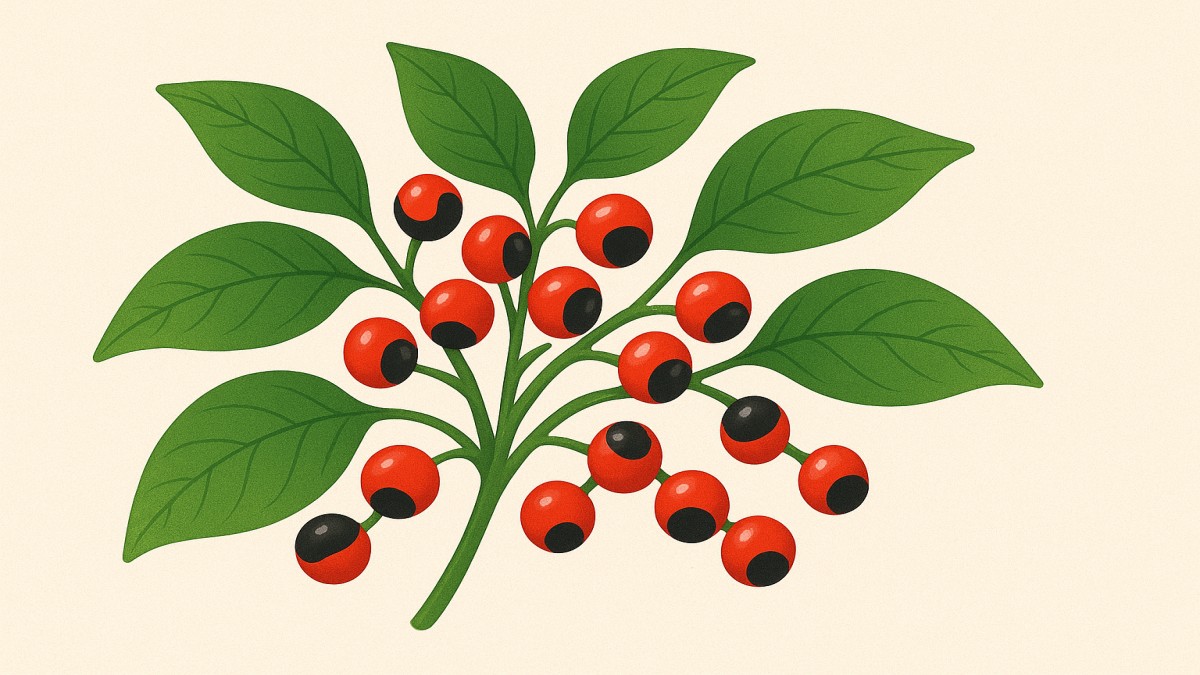
The rosary pea plant often grabs attention with its striking bright red seeds marked by a glossy black eye. At first glance, these seeds look harmless—almost like tiny beads perfect for jewelry and decoration. But beneath their beauty lies one of the world’s deadliest natural toxins. If you’re curious about this plant, its cultural uses, or its potential dangers, this guide breaks everything down in a simple and informative way.
What Is Rosary Pea?
Rosary pea (Abrus precatorius) is a flowering vine widely known for its attractive seeds. These seeds have been used for centuries as decorative elements in jewelry, prayer beads, and traditional crafts.
Why This Plant Draws Attention
Two main reasons:
- Its beauty —the seeds are bright red with a black spot, resembling a painted bead.
- Its danger —the seeds contain abrin, an extremely toxic compound.
Scientific Classification
- Kingdom: Plantae
- Family: Fabaceae
- Genus: Abrus
- Species: A. precatorius
Physical Description
Seeds
The most recognizable part of the plant. Rosary pea seeds are:
- Hard, glossy, and smooth
- Bright red with a black spot
- Approximately 5–7 mm long
Leaves
The leaves are small, delicate, and arranged in pairs along a central stem.
Pods
When mature, the pods split open to reveal the iconic red and black seeds.
Where Rosary Pea Is Found
Native Habitat
Originally native to India and Southeast Asia, the plant thrives in warm, tropical climates.
Global Distribution
It now grows in many parts of:
- Africa
- The Caribbean
- South America
- Southern United States
- Pacific Islands
In many regions, it is considered an invasive species.
Traditional Uses of Rosary Pea
Cultural and Religious Uses
In India and Sri Lanka, the seeds have been used in prayer rosaries, giving the plant its common name.
Jewelry and Ornamentation
People often use rosary pea seeds in:
- Necklaces
- Bracelets
- Earrings
- Decorative crafts
The seeds maintain their color and shine for years.
Folk Medicine
In traditional medicine, plant extracts were historically used for:
- Respiratory issues
- Skin conditions
- Anti-inflammatory preparations
However, this is extremely unsafe due to abrin toxicity.
Chemical Composition
Abrin
Abrin is a highly toxic protein found in the rosary pea seeds. It is similar to ricin but significantly more potent.
Other Compounds
The seeds also contain:
- Flavonoids
- Alkaloids
- Glycosides
But abrin remains the major concern.
Toxicity of Rosary Pea
How Abrin Affects the Body
Abrin inhibits protein synthesis in cells, leading to cell death. Even microscopic amounts can cause severe poisoning.
Symptoms of Poisoning
If a seed is chewed or cracked, symptoms may include:
- Vomiting
- Diarrhea
- Abdominal pain
- Organ failure
- Dehydration
- Cardiovascular collapse
Fatal Dose
One well-chewed seed can be fatal for humans. Swallowed whole, the seed may pass harmlessly because the hard seed coat remains intact.
Safety Precautions
Handling Seeds Safely
If you use rosary pea seeds for art or crafts:
- Do not break or scratch them.
- Avoid drilling holes (a common source of poisoning).
- Wash hands after handling.
Storage Recommendations
Keep seeds:
- Out of direct sunlight
- Sealed in airtight containers
- Away from children and animals
Risks for Children and Pets
Curiosity makes rosary pea seeds dangerous in homes with kids or pets. One cracked seed can cause fatal poisoning.
Modern Uses of Rosary Pea
Research Applications
Scientists study abrin for:
- Its biochemical properties
- Potential medical applications (under controlled conditions)
- Cell biology research
Artistic and Craft Uses
Rosary pea remains popular in handicrafts due to its bright, bead-like appearance.
Rosary Pea vs. Other Toxic Seeds
Castor Bean Comparison
- Castor beans contain ricin
- Rosary peas contain abrin
Abrin is roughly 75 times more toxic than ricin.
Differences in Toxins
Abrin and ricin both inhibit protein synthesis, but abrin acts more efficiently.
Conclusion
Rosary pea is a fascinating plant with a long cultural history and striking visual appeal. However, its extreme toxicity makes it essential to handle with caution. While it remains popular in crafts and research, awareness about abrin and safety practices is crucial. This plant is a perfect example of nature’s ability to combine beauty with deadly power—reminding us that not everything pretty is harmless.
FAQs
1. Can touching rosary pea seeds cause poisoning?
No, poisoning occurs only if the seed coat is broken and the toxin is ingested.
2. Why are rosary pea seeds used in jewelry if they are toxic?
Their hard coating protects the toxin, making them safe if left intact.
3. How can you safely dispose of rosary pea plants?
Burning or sealed disposal is recommended in many regions.
4. Are rosary pea plants invasive?
Yes, they spread quickly and can damage native plant ecosystems.
5. Can animals be poisoned by rosary pea seeds?
Yes, especially if they chew the seeds and break the seed coat.

Dobutamine: Uses, Mechanism, Dosage, and Side Effects
Nopdle Magazine: Redefining Creative Culture Through Curated Innovation

Shop Easter Basket: The Ultimate Guide to Perfect Easter Gifts

Best Apps to Make Money Online USA (2026 Guide)

How to Start Affiliate Marketing with No Money

Freelance Jobs for Beginners USA (Start with No Experience)

Side Hustle Ideas from Home USA (No Experience Needed) – Beginner’s Guide

Online Jobs from Home USA (Daily Pay) – Start Earning Instantly

Beton Celular Autoclavizat: The Future of Lightweight, Eco-Friendly Construction

Goblets: A Timeless Symbol of Elegance and Celebration
Dobutamine: Uses, Mechanism, Dosage, and Side Effects

Ishraq Time in Delhi: What It Is, When It Happens, and Why It Matters
Beton Celular Autoclavizat: The Future of Lightweight, Eco-Friendly Construction

Read OPM Manga Online: Where and How to Enjoy One Punch Man Legally

Technisches Gymnasium: Your Gateway to Engineering and Technology

Why Every Small Business Needs a Digital Marketing Agency
Goblets: A Timeless Symbol of Elegance and Celebration

Gold Shower: Nature’s Cascading Yellow Wonder
Nopdle Magazine: Redefining Creative Culture Through Curated Innovation

The Indian Bow: A Legacy of Precision, Power, and Tradition
Dobutamine: Uses, Mechanism, Dosage, and Side Effects
Nopdle Magazine: Redefining Creative Culture Through Curated Innovation
Shop Easter Basket: The Ultimate Guide to Perfect Easter Gifts
Best Apps to Make Money Online USA (2026 Guide)
How to Start Affiliate Marketing with No Money
Freelance Jobs for Beginners USA (Start with No Experience)
Side Hustle Ideas from Home USA (No Experience Needed) – Beginner’s Guide
Online Jobs from Home USA (Daily Pay) – Start Earning Instantly
Beton Celular Autoclavizat: The Future of Lightweight, Eco-Friendly Construction
Goblets: A Timeless Symbol of Elegance and Celebration

 entertainment7 months ago
PYT Telegram: A Complete Guide to Understanding, Using, and Maximizing It

 entertainment7 months ago
OnionFlix: Everything You Need to Know About This Streaming Website
- others6 months ago
Nook vs Kindle: Which E-Reader Is Right for You?
- gaming7 months ago
Melisandre: The Enigmatic Priestess of Game of Thrones